
Ambystoma rivulare
Ambystoma rivulare·Ambystomatidae
Ambystoma rivulare, also known as the Toluca stream siredon, is a species of salamander found exclusively on the border of the Mexican states of México and Michoacán. This salamander is distinctive for its neoteny, remaining aquatic and retaining larval features throughout its life, and it inhabits slow-moving streams within pine and fir forests.
Key Facts
- ›Endemic to the border of México and Michoacán states in Mexico.
- ›Inhabits slow-moving streams within pine and fir forests.
- ›Larvae and adults are exclusively aquatic and remain in their natal streams.
- ›Diet consists primarily of ostracods (about 90%), with occasional nematodes.
- ›Threatened by habitat loss, pollution, and introduced predatory fish like trout.

Toluca Stream Siredon
Slow-Moving Streams, Forests Dominated By Pinus Hartwegii, Forests Dominated By Abies Religiosa
Mexico
Ostracods, Nematodes
- Remain In the River They Hatch For Their Entire Lives.
- Fully Aquatic Throughout Their Lifecycle.
Loss of Streams, Pollution, Introduction of Non-Native Predatory Fish
About Ambystoma rivulare
Ambystoma rivulare: The Toluca Stream Siredon
Ambystoma rivulare, commonly known as the Toluca stream siredon, is a species of salamander belonging to the family Ambystomatidae. This species is geographically restricted, being endemic to the border region between the Mexican states of México and Michoacán. It is found in approximately five distinct locations within this area.
Habitat and Distribution
The Toluca stream siredon inhabits slow-moving streams that flow through forests characterized by the presence of Mexican pine (Pinus hartwegii) and sacred fir (Abies religiosa). A distinctive characteristic of this species is its neoteny; individuals remain aquatic throughout their lives, continuing to reside in the same river system in which they hatched. This complete reliance on their natal streams makes them particularly vulnerable to environmental changes.
Diet and Ecology
The diet of Ambystoma rivulare is notably specialized. Both larvae and adults primarily feed on ostracods, which constitute about 90% of their diet. Nematodes are also occasionally consumed. This limited dietary range could pose a significant risk to the species' survival if ostracod populations are negatively impacted by environmental factors.
Conservation Concerns
The region inhabited by Ambystoma rivulare is one of the most disturbed areas in Mexico. The species has suffered adverse effects from habitat destruction, including the loss of streams, and water pollution. Furthermore, the introduction of non-native predatory fish, most notably trout, poses a substantial threat to the Toluca stream siredon population, impacting their survival and ecological stability.
Source: Wikipedia ↗
Frequently Asked Questions
What is Ambystoma rivulare commonly called?
Ambystoma rivulare is commonly known as the Toluca stream siredon. This name reflects its geographic origin and its aquatic, stream-dwelling nature.
Where can Ambystoma rivulare be found?
This species is endemic to a specific region in Mexico, found on the border of the states of México and Michoacán. It inhabits approximately five discrete locations within this area.
What kind of habitat does the Toluca stream siredon prefer?
Ambystoma rivulare lives in slow-moving streams that are situated within forests dominated by Pinus hartwegii and Abies religiosa. These streams are their lifelong habitat, from hatching to adulthood.
What does Ambystoma rivulare eat?
The diet of Ambystoma rivulare is largely composed of ostracods, small crustaceans that make up about 90% of their food intake. They may also occasionally consume nematodes.
What are the main threats to Ambystoma rivulare?
The species faces significant threats due to human impact. These include the loss of its stream habitats, pollution of its environment, and the introduction of non-native predatory fish, particularly trout, which prey on the salamanders.
Related Salamander and Newt species
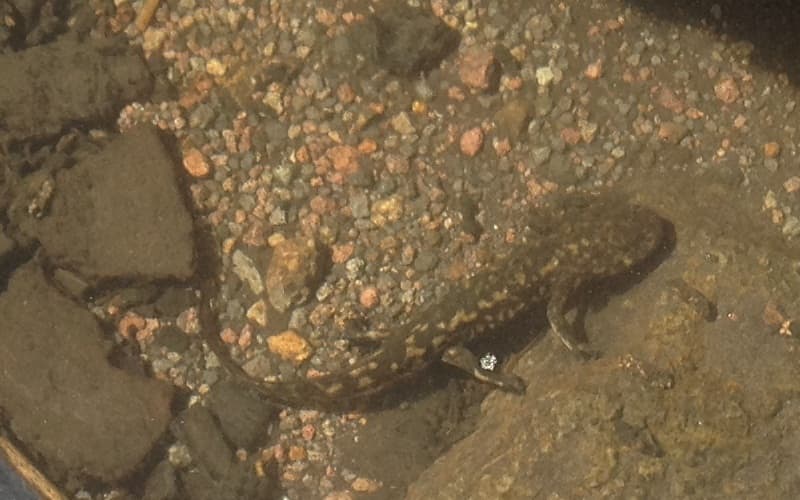
Ambystoma leorae
The Leora's stream salamander (Ambystoma leorae) is a critically endangered mole salamander endemic to a very small region within Mexico's Iztaccihuatl-Popocatepetl National Park. Its survival is threatened by its specific water quality requirements and human activities such as water extraction, cattle grazing, and direct consumption, leading to a single known population persisting on Mount Tlaloc.
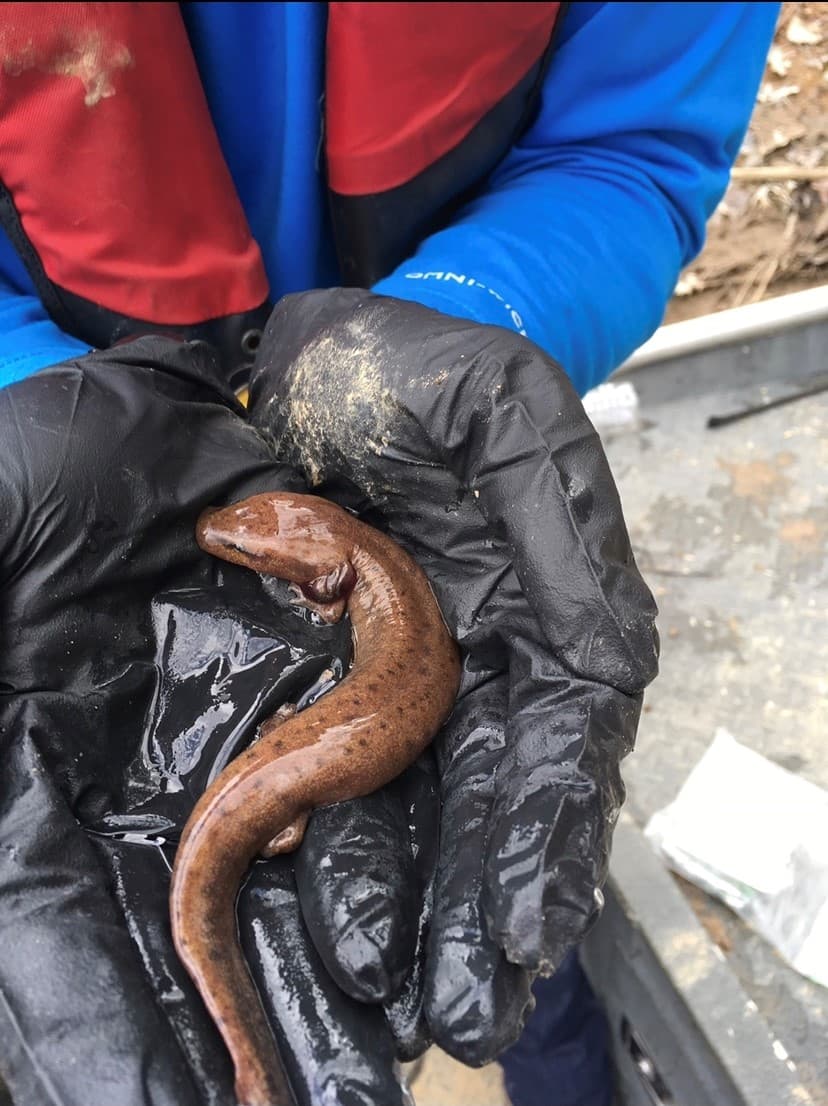
Alabama waterdog
The Alabama waterdog is a medium-sized, perennibranch salamander found in the rivers and streams of Alabama, specifically within the Black Warrior River drainage basin. It is distinguished by its permanent, bushy red gills, and a brown or black dorsum with minimal spotting. This species is currently listed as endangered due to threats like habitat fragmentation and pollution.
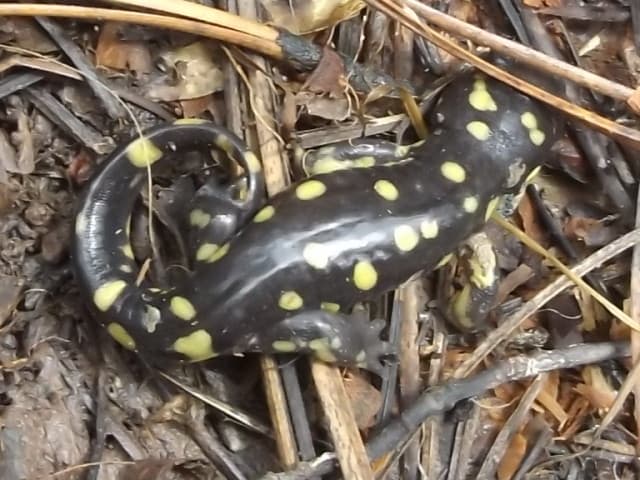
Ambystoma rosaceum
The Tarahumara salamander (Ambystoma rosaceum) is a freshwater mole salamander species endemic to Mexico, found in temperate and montane forests, grasslands, and various aquatic habitats. It is distinguished by its medium size, variable coloration of yellow spots or streaks on a dark background in adults, and the potential for paedomorphosis, where individuals retain larval features. While generally considered Least Concern, it faces threats from habitat loss and introduced species.