
Amphiuma tridactylum
The Amphiuma tridactylum, commonly known as the three-toed amphiuma, is an aquatic salamander species native to the Southeastern United States. It is characterized by its eel-like appearance, tiny vestigial legs, and small, lidless eyes. This species is a nocturnal carnivore found in various slow-moving water bodies and surrounding marshy areas.
Key Facts
- ›Possesses the largest recorded red blood cells of any animal.
- ›Has tiny, vestigial legs with three toes each.
- ›Is a nocturnal carnivore with a broad diet including earthworms, fish, and crustaceans.
- ›Breeds internally and lays eggs in an underwater cavity.
- ›Found in slow-moving water bodies and associated marshlands in the Southeastern United States.
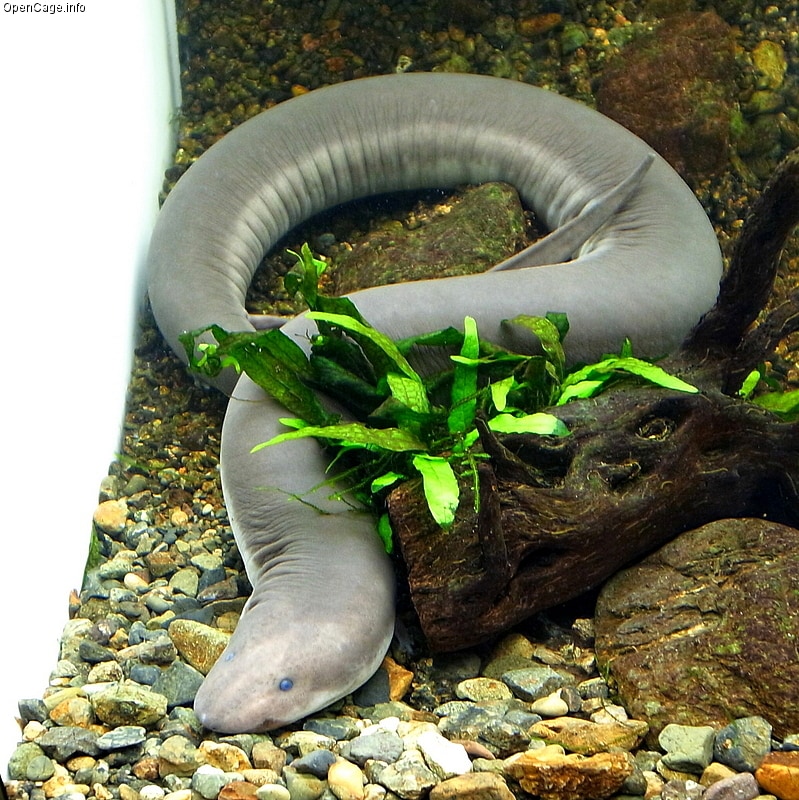
Three-Toed Amphiuma
Bottomland Marshes, Lakes, Seeps, Bayous, Cypress Sloughs, Streams, Manmade Ditches, Crayfish Burrows
United States, Alabama, Texas, Missouri, Arkansas, Tennessee, Kentucky
Eel-Like Body, Elongate, Dark Gray-Black Or Brown Coloration, Tiny Vestigial Legs, Small, Lidless Eyes, Gill Slits, Four Tiny Legs Each With Three Toes, Average of 62 Costal Grooves
Earthworms, Fish, Other Amphibians, Small Reptiles, Crustaceans, Other Small Invertebrates
- Nocturnal
- Carnivorous
- Spends Most Time Hiding In Heavily Vegetated Areas of Permanent Bodies of Slow Moving Water
- May Venture Out of Water After Heavy Rain
- Mates From December To June
- Nests From April To October
- Fertilizes Internally
- Polygynous Dynamic
About Amphiuma tridactylum
Amphiuma tridactylum: The Three-Toed Amphiuma
Amphiuma tridactylum, known commonly as the three-toed amphiuma, is a species of aquatic salamander found in the Southeastern United States. Its appearance is notably eel-like, with an elongated body that is typically dark gray-black or brown. The species possesses tiny, vestigial legs, each featuring three toes, and small, lidless eyes. A significant biological characteristic is its possession of the largest recorded red blood cells of any animal.
Distribution and Habitat
The geographic range of the three-toed amphiuma extends across the Gulf of Mexico states from Alabama to Texas, and northward into Missouri, Arkansas, Tennessee, and Kentucky. It is frequently found in bottomland marshes and lakes, seeps, bayous, cypress sloughs, and streams, particularly in areas with limestone bedrock. This species often occupies crayfish burrows and can also be found in manmade ditches.
Behavior and Diet
Amphiuma tridactylum exhibits nocturnal and carnivorous behavior. It spends the majority of its time concealed within densely vegetated sections of permanent, slow-moving water bodies such as swamps, ponds, and lakes. While primarily aquatic, they may emerge from the water following significant rainfall. Their diet is broad, encompassing earthworms, fish, other amphibians, small reptiles, crustaceans (especially crayfish), and various small invertebrates like insects and snails. Due to this varied diet, amphiumas are often caught as bycatch by fishermen.
Reproduction
This species engages in internal fertilization, a characteristic that distinguishes it from some other amphiumas. The mating period occurs from December to June, followed by nesting from April to October. Females lay approximately 200 eggs in a single strand, typically deposited in an underwater cavity. Male amphiumas possess specialized cloacal glands that may facilitate mating with multiple females in succession, contributing to a polygynous reproductive dynamic.
Source: Wikipedia ↗
Frequently Asked Questions
What is the average size of an Amphiuma tridactylum?
An average adult Amphiuma tridactylum typically ranges from 18 to 30 inches (46 to 76 cm) in length. One record-sized individual was documented at an impressive 41.25 inches (104.8 cm).
What does the three-toed amphiuma eat?
The Amphiuma tridactylum is a carnivore with a varied diet. It feeds on earthworms, fish, other amphibians, small reptiles, crustaceans, and other small invertebrates such as insects and snails.
Where is the Amphiuma tridactylum found?
This species is native to the Southeastern United States, inhabiting the Gulf of Mexico states from Alabama to Texas, and extending north to Missouri, Arkansas, Tennessee, and Kentucky. It prefers bottomland marshes, lakes, seeps, bayous, cypress sloughs, and streams, often in areas with limestone bedrock.
When does the Amphiuma tridactylum breed?
Amphiuma tridactylum mates between December and June, with nesting occurring from April to October. They fertilize internally and lay approximately 200 eggs in a single strand within an underwater cavity.
What are the predators of the three-toed amphiuma?
The Amphiuma tridactylum is preyed upon by several types of snakes. Known predators include mud snakes, cottonmouths, and king snakes.
Related Salamander and Newt species
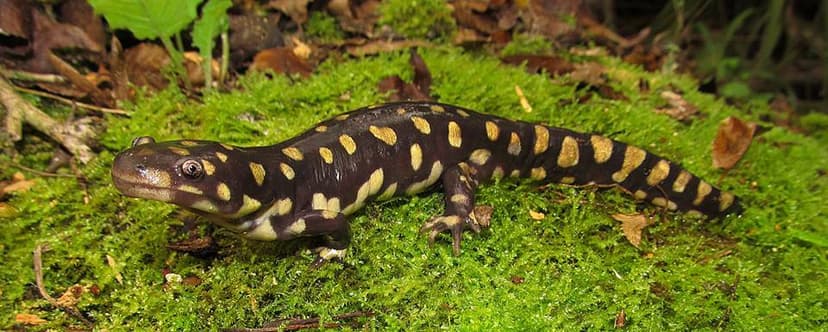
Ambystomatidae
Ambystomatidae is a family of predominantly terrestrial salamanders found across North America, known for their chunky bodies and broad heads. This family includes the mole salamanders (Ambystoma) and the Pacific giant salamanders (Dicamptodon). Some species are among the largest terrestrial salamanders and possess toxic secretions for defense.

Amphiuma means
The two-toed amphiuma (Amphiuma means) is a large aquatic salamander native to the southeastern United States. It is distinguished by its four vestigial legs, each with two toes, and its dark, unicolored skin. Commonly but incorrectly referred to as a "congo snake" or "blind eel," this species inhabits shallow, vegetated waters and can deliver a significant bite when threatened.

Amphiuma pholeter
The one-toed amphiuma (Amphiuma pholeter) is an aquatic, eel-like salamander native to the southeastern United States, specifically parts of Florida, Georgia, and Alabama. It is distinguished by its uniform coloration on both its back and belly, a cone-shaped head, and uniquely, only one toe on each foot, making it the smallest species in its genus.