
Amphiuma means
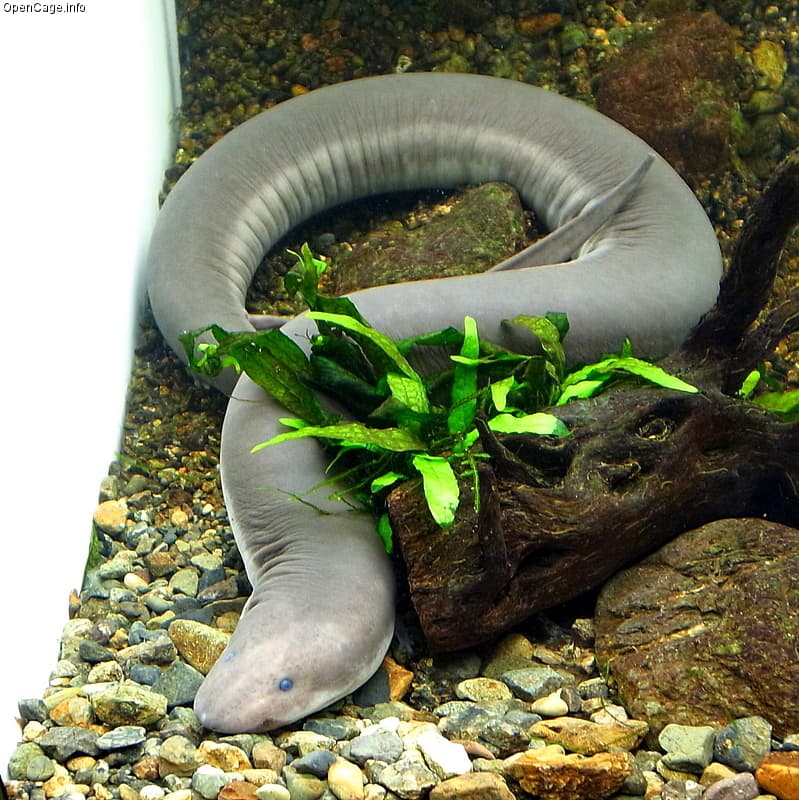
The two-toed amphiuma (Amphiuma means) is a large aquatic salamander native to the southeastern United States. It is distinguished by its four vestigial legs, each with two toes, and its dark, unicolored skin. Commonly but incorrectly referred to as a "congo snake" or "blind eel," this species inhabits shallow, vegetated waters and can deliver a significant bite when threatened.
Key Facts
- ›It is the longest salamander species in the United States, reaching up to 116 CM in length.
- ›Adults possess four vestigial legs, each ending in two toes, a key distinguishing feature.
- ›They are nocturnal and can be found in swamps, bayous, lakes, ponds, and wet prairies.
- ›Their diet includes fish, tadpoles, crawfish, insects, and even smaller reptiles and amphibians.
- ›Females lay approximately 200 eggs, which they coil around for incubation.
- ›When disturbed, they can inflict a severe bite and produce acoustic signals described as 'clicks'.

Two-Toed Amphiuma, Congo Snake, Conger Eel, Blind Eel
Swamps, Bayous, Lakes, Ponds, Wet Prairies, Muddy Stream Bottoms, Littoral Zones
Southeastern Virginia, Eastern North Carolina, South Carolina, Southern Georgia, Alabama, Florida, South Mississippi, Arkansas, Louisiana, Southeastern Texas
- Elongated, Serpentine Body
- Four Vestigial Legs Ending In Two Toes Each
- Pointed, Wedge-Shaped Head
- Small Eyes
- Single Gill Slit On Each Side of the Head
- Black, Dark Grey, Or Dark Brown Coloration
- Unicolored Body
- Dark Dorsum Contrasting With A Slightly Lighter Ventrum
- Slippery Skin
Small Fish, Tadpoles, Crawfish, Insects, Insect Larvae, Reptiles, Amphibians
- Nocturnal
- Can Leave Water Temporarily In Wet Weather
- Dig Burrows In Muddy Stream Bottoms
- Invade Burrows of Other Aquatic Creatures
- Forage Actively For Food
- Wait Under Debris and In Burrows For Prey
- Detect Prey Through Olfaction
- Utilize Acoustic Signals For Short-Distance Communication
- Can Deliver A Severe Bite When Disturbed
- Produce A Clear Whistle When Disturbed
About Amphiuma means
The two-toed amphiuma, scientifically known as Amphiuma means, is a notable species of aquatic salamander found across the southeastern United States. It is the longest salamander species native to the U.S., with individuals capable of reaching lengths of up to 116 cm (45.7 inches).
Description and Distinguishing Features
Amphiuma means belongs to the Amphiumidae family and is characterized by its dark, unicolored skin, typically black, dark grey, or dark brown, with a slightly lighter underside. A key physical trait is its four vestigial legs, each featuring only two toes, which distinguishes it from its close relatives, the one-toed and three-toed amphiumas. Adults retain a single gill slit on each side of the head, and their eyes are small.
Distribution and Habitat
This species thrives in shallow, heavily vegetated aquatic environments. Its natural range encompasses states from southeastern Virginia down to southeastern Texas. It prefers habitats such as swamps, bayous, lakes, ponds, and wet prairies, often found below the fall line. A requirement for their habitat is light soil, which allows them to burrow effectively.
Behavior and Diet
Two-toed amphiumas are primarily nocturnal, often found in the littoral zones of water bodies where prey is abundant. They are known to dig burrows in muddy bottoms or occupy the burrows of other aquatic creatures. Their diet consists of small fish, tadpoles, crawfish, insects, and insect larvae, and they have also been observed preying on smaller reptiles and amphibians. When threatened, they can deliver a painful bite and emit acoustic signals described as "clicks." They may temporarily leave water if conditions are sufficiently wet.
Reproduction
Amphiuma means breeds between June and July. Females lay approximately 200 eggs in damp cavities near water, and they meticulously guard these eggs during incubation, which lasts for about five months. The hatchlings are small, around 2 inches long, and initially possess external gills that are soon lost. In certain circumstances, offspring can undergo direct development, hatching without external gills.
Source: Wikipedia ↗
Frequently Asked Questions
What are the common names for Amphiuma means?
Amphiuma means is commonly, though incorrectly, referred to as the "congo snake," "conger eel," or the "blind eel." These names reflect its serpentine appearance and aquatic habitat.
What is the typical size of a two-toed amphiuma?
Two-toed amphiumas are considerable in size, capable of growing from 34.8 to 116 cm (13.7 to 45.7 inches) in length and weighing between 39 to 1,042 grams (1.4 to 36.8 ounces).
Where can Amphiuma means be found?
This species is widely distributed across the southeastern United States, including southeastern Virginia, eastern North Carolina, South Carolina, southern Georgia and Alabama, Florida, south Mississippi, Arkansas, Louisiana, and southeastern Texas.
What kind of habitat does the two-toed amphiuma prefer?
They inhabit areas of shallow, heavily vegetated water such as swamps, bayous, lakes, and ponds, as well as wet prairies. They also require light soil for burrowing.
What do two-toed amphiumas eat?
Their diet is varied and includes small fish, tadpoles, crawfish, insects, and insect larvae. They have also been recorded preying on smaller reptiles and amphibians.
Are two-toed amphiumas dangerous to humans?
While harmless if left alone, two-toed amphiumas can deliver a tough bite when disturbed, which may lead to a severe infection. They also produce a clear whistle when threatened.
How do two-toed amphiumas reproduce?
Breeding occurs from June to July, with females laying about 200 eggs in strings within damp cavities near water. The females then remain coiled around the eggs during the approximately five-month incubation period.
Related Salamander and Newt species

Amphiuma pholeter
The one-toed amphiuma (Amphiuma pholeter) is an aquatic, eel-like salamander native to the southeastern United States, specifically parts of Florida, Georgia, and Alabama. It is distinguished by its uniform coloration on both its back and belly, a cone-shaped head, and uniquely, only one toe on each foot, making it the smallest species in its genus.
Amphiuma tridactylum
The Amphiuma tridactylum, commonly known as the three-toed amphiuma, is an aquatic salamander species native to the Southeastern United States. It is characterized by its eel-like appearance, tiny vestigial legs, and small, lidless eyes. This species is a nocturnal carnivore found in various slow-moving water bodies and surrounding marshy areas.

Amphiumidae
Amphiumidae, colloquially known as amphiumas, are a genus of aquatic salamanders native to the southeastern United States. They are characterized by their elongated, eel-like bodies, vestigial legs, and lack of eyelids and tongues. Amphiumas possess one of the largest known DNA complements among living organisms.