
Amphiuma pholeter
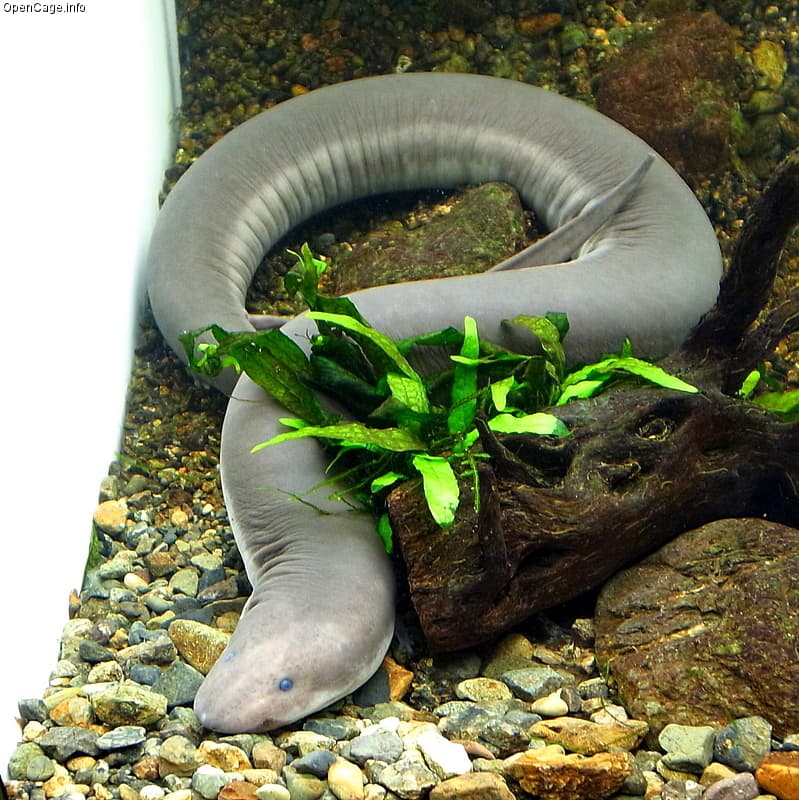
The one-toed amphiuma (Amphiuma pholeter) is an aquatic, eel-like salamander native to the southeastern United States, specifically parts of Florida, Georgia, and Alabama. It is distinguished by its uniform coloration on both its back and belly, a cone-shaped head, and uniquely, only one toe on each foot, making it the smallest species in its genus.
Key Facts
- ›It is an aquatic, eel-like salamander found in the southeastern United States.
- ›The species has a cone-shaped head and only one toe on each foot.
- ›It is the smallest species within the Amphiuma genus, with an average adult size of 8.5 inches.
- ›Coloration is uniform gray-black to purplish-brown across its back and belly.
- ›It is primarily nocturnal, foraging for invertebrate prey in slow-moving or stagnant shallow waters.

One-Toed Amphiuma
Slow Moving Or Stagnant, Shallow Water, Muddy Bottoms, Weedy Vegetation, Swampy Floodplains of Rivers and Streams, Edges of Coastal Spring-Fed Rivers
Florida Panhandle, Extreme Southern Georgia, Southern Alabama
Eel-Like, Gray-Black To Purplish-Brown Coloration, Uniform Color On Dorsum and Venter, Cone-Shaped Head, One Toe On Each Foot, Smallest Species In the Genus Amphiuma
Invertebrate Prey, Crayfish, Annnelid Worms, Insect Larvae, Fish, Amphibian Larvae
- Active Mostly At Night
- Forages For Invertebrate Prey
- Prefers Slow Moving Or Stagnant, Shallow Water
- Affinity For Semi-Fluid Mud Deposits
About Amphiuma pholeter
The One-Toed Amphiuma (Amphiuma pholeter)
The one-toed amphiuma, scientifically known as Amphiuma pholeter, is a species of aquatic, eel-like salamander belonging to the family Amphiumidae. This creature is native to a specific region within the southeastern United States, with its known range encompassing parts of the Florida panhandle, the extreme southern reaches of Georgia, and southern Alabama. Its existence was not recognized by science until 1950, and it was formally described as a new species in 1964. Due to its elusive nature and infrequent sightings in the wild, much about the life and habits of the one-toed amphiuma remains uncertain.
Description and Distinguishing Features
A key characteristic that sets the one-toed amphiuma apart from its congeners is its distinct physical morphology. Unlike the other two species within the Amphiuma genus, which often display lighter undersides, the one-toed amphiuma exhibits a uniform coloration, ranging from gray-black to purplish-brown, across both its dorsal (back) and ventral (belly) surfaces. It possesses a characteristic cone-shaped head. Most notably, its name derives from the fact that it has only one toe on each of its feet, a feature that distinguishes it from other Amphiuma species which typically have two or three toes. This species is also the smallest within the genus, with the average adult measuring approximately 8.5 inches (220 mm) in length.
Habitat and Behavior
The one-toed amphiuma is considered an aquatic species, preferring environments that are slow-moving or stagnant and shallow. Its ideal habitat includes areas with muddy bottoms or dense weedy vegetation. It shows a particular affinity for the semi-fluid mud deposits commonly found in the swampy floodplains of rivers and streams, as well as along the margins of coastal spring-fed rivers. Behaviorally, the one-toed amphiuma is primarily nocturnal, meaning it is most active during the night. During these nocturnal hours, it forages for its food, which consists of small aquatic invertebrates. Its diet typically includes items such as crayfish, annelid worms, insect larvae, and on occasion, small fish or amphibian larvae. The reproductive habits of the one-toed amphiuma are not well-documented, with eggs and hatchlings having never been observed.
Source: Wikipedia ↗
Frequently Asked Questions
What makes the one-toed amphiuma distinctive from other Amphiuma species?
The one-toed amphiuma is primarily distinguished by having only one toe on each foot, unlike the two or three toes found on other Amphiuma species. It is also the smallest species in the genus and lacks the lighter underside seen in its relatives.
Where is the one-toed amphiuma found geographically?
This species is known to inhabit specific areas within the Florida panhandle, the extreme southern part of Georgia, and southern Alabama in the United States.
What is the typical habitat of the one-toed amphiuma?
They prefer slow-moving or stagnant, shallow water environments. This often includes areas with muddy bottoms or weedy vegetation, particularly in swampy floodplains of rivers and streams, or along the edges of coastal spring-fed rivers.
What does the one-toed amphiuma eat?
Like other amphiumas, the one-toed amphiuma is a carnivore that feeds on small, aquatic invertebrates. Its diet includes items such as crayfish, annelid worms, insect larvae, and occasionally small fish or amphibian larvae.
When is the one-toed amphiuma most active?
The one-toed amphiuma is primarily active during the night. This is when it engages in foraging for its invertebrate prey.
Related Salamander and Newt species

Amphiuma means
The two-toed amphiuma (Amphiuma means) is a large aquatic salamander native to the southeastern United States. It is distinguished by its four vestigial legs, each with two toes, and its dark, unicolored skin. Commonly but incorrectly referred to as a "congo snake" or "blind eel," this species inhabits shallow, vegetated waters and can deliver a significant bite when threatened.
Amphiuma tridactylum
The Amphiuma tridactylum, commonly known as the three-toed amphiuma, is an aquatic salamander species native to the Southeastern United States. It is characterized by its eel-like appearance, tiny vestigial legs, and small, lidless eyes. This species is a nocturnal carnivore found in various slow-moving water bodies and surrounding marshy areas.

Amphiumidae
Amphiumidae, colloquially known as amphiumas, are a genus of aquatic salamanders native to the southeastern United States. They are characterized by their elongated, eel-like bodies, vestigial legs, and lack of eyelids and tongues. Amphiumas possess one of the largest known DNA complements among living organisms.