
Aneides
Aneides·Plethodontidae
Aneides are a genus of lungless salamanders, commonly known as climbing salamanders, native to North America. Most species possess prehensile tails, allowing them to be highly mobile in arboreal environments. They inhabit mountain ecosystems across various regions of the continent.
Key Facts
- ›Aneides are lungless salamanders belonging to the family Plethodontidae.
- ›The genus contains 10 species found in North America.
- ›Most species are characterized by prehensile tails, aiding in arboreal locomotion.
- ›They are primarily distributed along the Pacific Coast, with some species in the Sacramento and Appalachian Mountains.
- ›Two species, the green salamander and the Hickory Nut Gorge green salamander, are classified under the subgenus Castaneides.
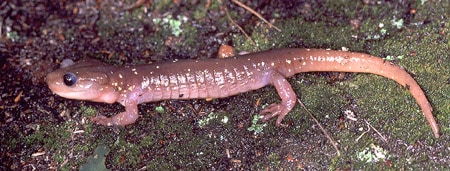
Climbing Salamanders
Mountain Ecosystems, Arboreal Environments
North America, Pacific Coast of the United States, Baja California, British Columbia, New Mexico, Appalachian Mountains
Possess Prehensile Tails, Mobile In Trees
Arboreal Locomotion
About Aneides
Aneides is a genus of plethodontid, or lungless, salamanders commonly referred to as climbing salamanders. The genus encompasses ten species, all native to North America. These amphibians typically inhabit mountain ecosystems, with the majority found along the Pacific Coast of the United States, extending into Baja California and British Columbia. A smaller number of species are distributed in the Sacramento Mountains of New Mexico and the Appalachian Mountains of the eastern United States.
Key Characteristics
A defining feature of most Aneides species is their prehensile tail, which allows them to navigate arboreal environments with considerable agility. This adaptation makes them well-suited for life among trees and other elevated structures within their natural habitats. As lungless salamanders, they rely on cutaneous respiration (breathing through their skin) and buccopharyngeal respiration (breathing through the lining of their mouth and throat).
Taxonomy and Distribution
The genus Aneides is divided into two subgenera: Aneides sensu stricto and Castaneides. The latter subgenus includes the green salamander (A. aeneus) and the Hickory Nut Gorge green salamander (A. caryaensis). These two species diverged from the lineage that includes A. hardii approximately 27.2 to 32.3 million years ago, during the Oligocene epoch. The subgenus Castaneides is known to contain significant cryptic diversity, suggesting the potential for undiscovered species. All other western Aneides species are classified under the subgenus Aneides sensu stricto.
Source: Wikipedia ↗
Frequently Asked Questions
What are climbing salamanders?
Climbing salamanders are lungless salamanders belonging to the genus Aneides. They are known for their ability to move adeptly in trees, a trait often facilitated by their prehensile tails.
Where are Aneides salamanders found?
Aneides salamanders inhabit mountain ecosystems in North America. The majority are found on the west coast of the United States, Baja California, and British Columbia, with three species located in New Mexico and the Appalachian Mountains.
How many species are in the genus Aneides?
There are currently ten known species assigned to the genus Aneides. These species are further divided into two subgenera: Aneides sensu stricto and Castaneides.
What is distinctive about the subgenus Castaneides?
The subgenus Castaneides includes the green salamander and the Hickory Nut Gorge green salamander. This group diverged from other Aneides lineages millions of years ago and may contain more undiscovered species.
Related Salamander and Newt species
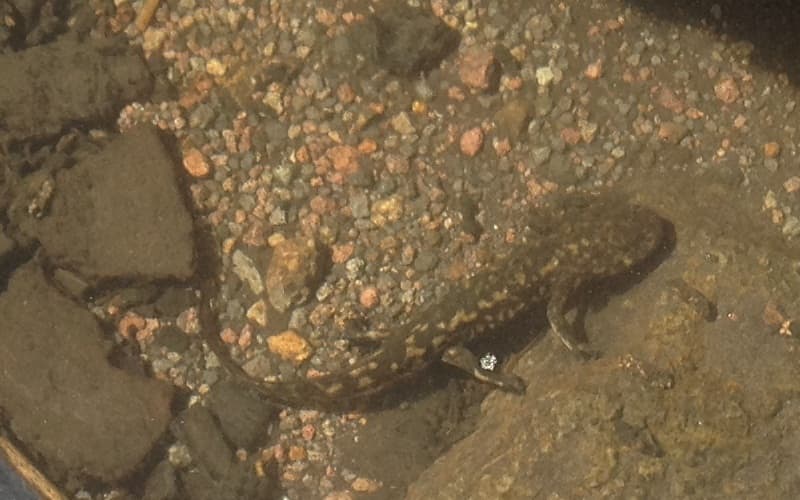
Ambystoma leorae
The Leora's stream salamander (Ambystoma leorae) is a critically endangered mole salamander endemic to a very small region within Mexico's Iztaccihuatl-Popocatepetl National Park. Its survival is threatened by its specific water quality requirements and human activities such as water extraction, cattle grazing, and direct consumption, leading to a single known population persisting on Mount Tlaloc.
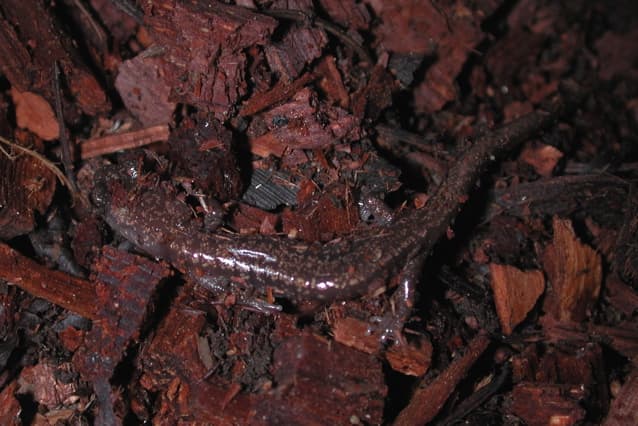
Aneides hardii
The Sacramento Mountain salamander is a species of salamander found exclusively in the mountainous regions of New Mexico, United States. It inhabits temperate forests and is distinguished by its direct development, hatching from eggs as miniature salamanders.
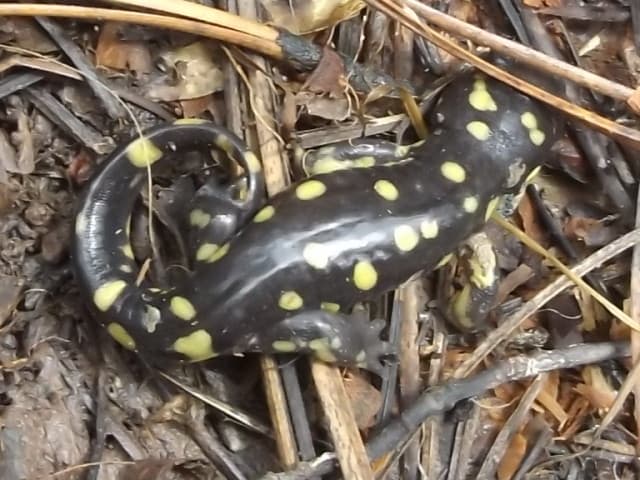
Ambystoma rosaceum
The Tarahumara salamander (Ambystoma rosaceum) is a freshwater mole salamander species endemic to Mexico, found in temperate and montane forests, grasslands, and various aquatic habitats. It is distinguished by its medium size, variable coloration of yellow spots or streaks on a dark background in adults, and the potential for paedomorphosis, where individuals retain larval features. While generally considered Least Concern, it faces threats from habitat loss and introduced species.