
Aneides hardii
Near Threatened·Oviparous (with direct development)
The Sacramento Mountain salamander is a species of salamander found exclusively in the mountainous regions of New Mexico, United States. It inhabits temperate forests and is distinguished by its direct development, hatching from eggs as miniature salamanders.
Key Facts
- ›Endemic to the mountainous regions of New Mexico.
- ›Inhabits temperate forests at elevations of at least 2,400 meters.
- ›Feeds on small invertebrates like ants, beetles, and spiders.
- ›Undergoes direct development, with fully formed miniature salamanders hatching from eggs.
- ›Its primary threat is habitat loss due to logging activities.
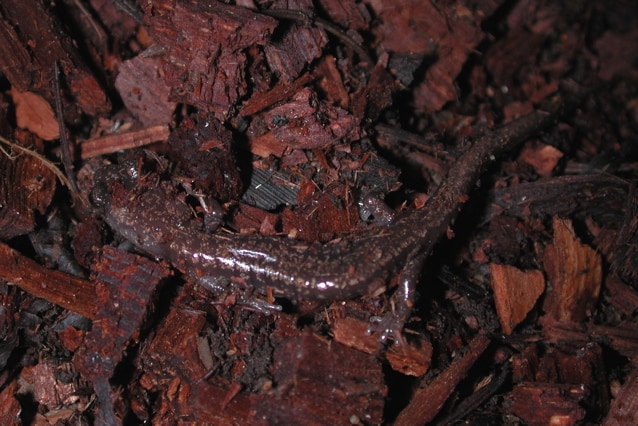
Sacramento Mountain Salamander
Temperate Forests, Leaf Litter, Rotten Logs, Under Rocks, Fallen Branches, Vegetation, Stony Areas With Mosses and Lichens
United States
- Hatchlings Measure About 12 Mm In Snout To Vent Length.
Ants, Rove Beetles, Springtails, Snails, Spiders
- Hides In Leaf Litter, Rotten Logs, Under Rocks, Fallen Branches, Or Vegetation.
- Breeds In the Summer.
- Eggs Are Laid In Small Clutches.
- Larvae Undergo Direct Development In Eggs.
Habitat Loss, Logging Activities, Fire
About Aneides hardii
Sacramento Mountain Salamander (Aneides hardii)
The Sacramento Mountain salamander, scientifically known as Aneides hardii, is a species of salamander found exclusively in the mountainous regions of New Mexico, United States. It belongs to the family Plethodontidae, a group characterized by the absence of lungs and reliance on cutaneous respiration.
Distribution and Habitat
This salamander is endemic to three separate mountain ranges in New Mexico: the Capitan Mountains, the Sierra Blanca range, and the Sacramento Mountains. It inhabits temperate forests at elevations of at least 2,400 meters (7,900 ft) above sea level. Within these forests, it typically favors north or east-facing slopes, often found among Douglas fir, Engelmann spruce, and white fir trees, with an understory that may include Rocky Mountain maple. The Sacramento Mountain salamander is commonly found concealed within leaf litter, rotten logs, under rocks, fallen branches, or dense vegetation. Above the tree line, it can be found in stony areas where mosses and lichens are present.
Biology and Diet
The diet of the Sacramento Mountain salamander consists of small invertebrates. These include ants, rove beetles, springtails, snails, and spiders, all of which are found within its forest environment. This species is preyed upon by the western terrestrial garter snake (Thamnophis elegans).
Reproduction and Development
Breeding for the Sacramento Mountain salamander occurs during the summer months. Eggs are laid in small clutches, typically within rotten logs, stumps, or possibly in underground cavities. A distinctive feature of this species is its direct development; the larvae develop fully within the eggs, and fully formed miniature salamanders hatch out. These newly hatched individuals measure approximately 12 millimeters in snout-to-vent length.
Conservation Status
The Sacramento Mountain salamander is currently assessed as Near Threatened on the IUCN Red List of Threatened Species. While it is considered common within the areas it inhabits, its survival is primarily threatened by habitat loss. Logging activities, especially when combined with fire or the removal of fallen timber, pose the most significant risks. Despite these threats, current logging practices are believed to maintain stable populations.
Source: Wikipedia ↗
Frequently Asked Questions
Where does the Sacramento Mountain salamander live?
The Sacramento Mountain salamander is found in three distinct mountainous areas within New Mexico, USA: the Capitan Mountains, the Sierra Blanca range, and the Sacramento Mountains. It prefers temperate forests at elevations above 2,400 meters.
What does the Sacramento Mountain salamander eat?
This salamander's diet consists of small invertebrates. These include ants, rove beetles, springtails, snails, and spiders found within its forest habitat.
How does the Sacramento Mountain salamander reproduce?
Breeding occurs during the summer months, with eggs laid in small clutches. These are typically found inside rotten logs, stumps, or possibly underground cavities. The larvae develop directly within the eggs, and fully formed miniature salamanders hatch out.
What are the main threats to the Sacramento Mountain salamander?
The primary threat to the Sacramento Mountain salamander is habitat loss, largely caused by logging activities. These activities, especially when associated with fire or the removal of fallen timber, can significantly impact its populations.
Related Salamander and Newt species
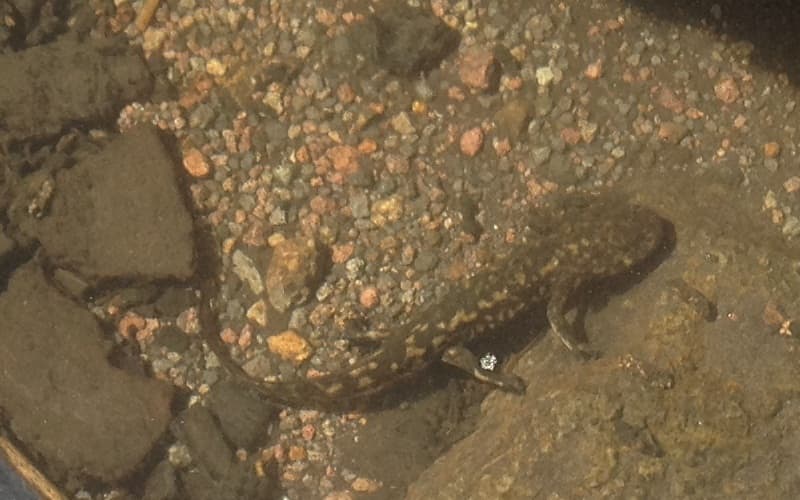
Ambystoma leorae
The Leora's stream salamander (Ambystoma leorae) is a critically endangered mole salamander endemic to a very small region within Mexico's Iztaccihuatl-Popocatepetl National Park. Its survival is threatened by its specific water quality requirements and human activities such as water extraction, cattle grazing, and direct consumption, leading to a single known population persisting on Mount Tlaloc.
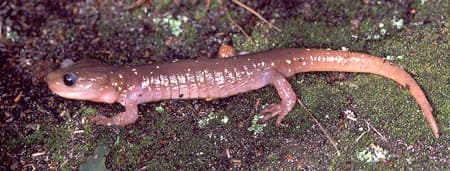
Aneides
Aneides are a genus of lungless salamanders, commonly known as climbing salamanders, native to North America. Most species possess prehensile tails, allowing them to be highly mobile in arboreal environments. They inhabit mountain ecosystems across various regions of the continent.
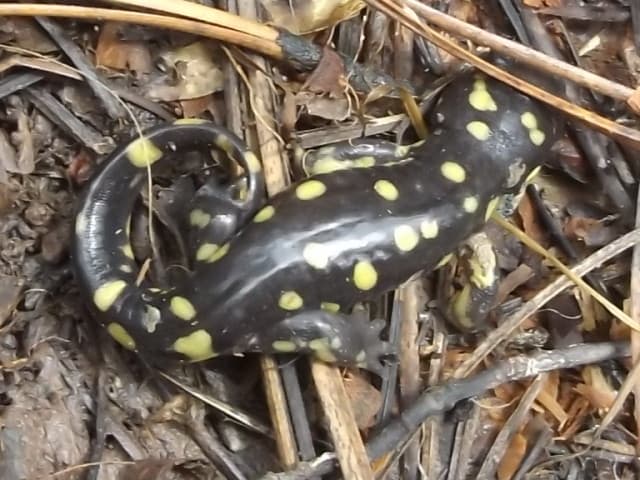
Ambystoma rosaceum
The Tarahumara salamander (Ambystoma rosaceum) is a freshwater mole salamander species endemic to Mexico, found in temperate and montane forests, grasslands, and various aquatic habitats. It is distinguished by its medium size, variable coloration of yellow spots or streaks on a dark background in adults, and the potential for paedomorphosis, where individuals retain larval features. While generally considered Least Concern, it faces threats from habitat loss and introduced species.