
Cascade torrent salamander
Rhyacotriton cascadae·Rhyacotritonidae·Variable due to potential for severe flooding of streams.·2 inches (5 cm) snout to vent
The Cascade torrent salamander (Rhyacotriton cascadae) is a small salamander species endemic to the Pacific Northwest of the United States. Found on the west slope of the Cascade Mountains, these salamanders inhabit temperate forests, rivers, streams, and freshwater springs. They are characterized by their tan to black coloration, yellowish underbellies, and spotted sides, and are known for their sedentary nature, often remaining in small areas near streams.
Key Facts
- ›Adults average about 2 inches (5 CM) from snout to vent.
- ›Coloration ranges from tan to brown to black with yellowish underbellies and spotted sides.
- ›Found in temperate forests, rivers, streams, and freshwater springs.
- ›Endemic to the west slope of the Cascade Mountains in Washington and Oregon.
- ›Known to remain in small areas and move parallel to streams.
- ›Threatened by habitat loss.
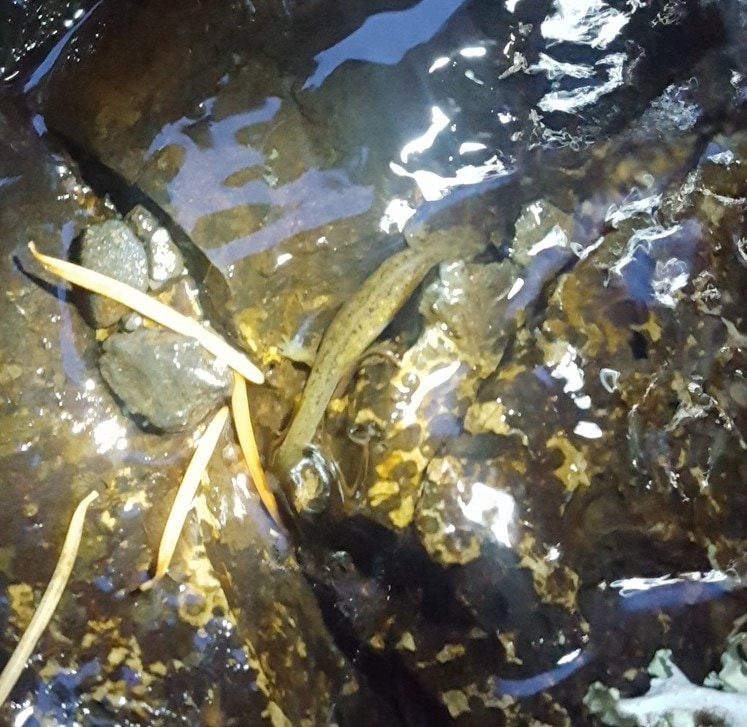
Temperate Forests, Rivers and Streams, Freshwater Springs
United States
- Small Salamanders
- Adults Average About 2 Inches Measured From Snout To Vent
- Color Ranges From Tan To Brown To Black
- Usually Exhibit Yellowish Underbellies
- Spotted Sides
- Can Stay In A Small Area Over Very Long Periods
- Tend To Move Parallel To the Streams They Live By
- Typically Found Under Rocks and Fallen Logs
Habitat Loss
About Cascade torrent salamander
The Cascade torrent salamander, scientifically known as Rhyacotriton cascadae, is a small amphibian species belonging to the Rhyacotritonidae family. These salamanders are native to the Pacific Northwest region of the United States, specifically found on the western slopes of the Cascade Mountains. Their geographic range extends from Skamania County in Washington southward to Lane County in Oregon.
Physical Characteristics
Adult Cascade torrent salamanders are relatively small, averaging around 2 inches (5 cm) in length from snout to vent. Their coloration is variable, typically ranging from tan to brown to black. A distinctive feature is their yellowish underbelly, often accompanied by spotted sides, which aids in their camouflage within their natural environment.
Habitat and Distribution
These salamanders are intrinsically linked to aquatic and riparian environments. Their natural habitats include temperate forests, as well as rivers, streams, and freshwater springs. They are commonly observed seeking shelter under rocks and fallen logs within these moist settings.
Behavior and Ecology
The Cascade torrent salamander exhibits a rather sedentary lifestyle, often remaining within a confined area for extended periods. Their movement patterns are typically oriented parallel to the streams they inhabit, suggesting a strong dependence on these water sources. This close association with streams, however, also contributes to a variable lifespan, as severe flooding events can pose a significant risk to their survival.
Conservation
A significant threat to the Cascade torrent salamander is habitat loss. As their preferred environments are sensitive to environmental changes, conservation efforts are crucial for the long-term survival of this species.
Source: Wikipedia ↗
Frequently Asked Questions
What is the scientific name for the Cascade torrent salamander?
The scientific name for the Cascade torrent salamander is Rhyacotriton cascadae. This binomial nomenclature helps distinguish it from other salamander species.
Where are Cascade torrent salamanders found?
Cascade torrent salamanders are endemic to the Pacific Northwest in the United States. They are found on the west slope of the Cascade Mountains, ranging from Skamania County in Washington south to Lane County in Oregon.
What do Cascade torrent salamanders look like?
These are small salamanders, with adults measuring approximately 2 inches from snout to vent. Their coloration varies from tan to brown to black, typically featuring yellowish underbellies and spotted sides.
What kind of habitats do Cascade torrent salamanders prefer?
Cascade torrent salamanders inhabit temperate forests, rivers and streams, and freshwater springs. They are commonly found under rocks and fallen logs within these environments.
How do Cascade torrent salamanders move?
Cascade torrent salamanders tend to be sedentary, often staying within a small area for extended periods. When they do move, they typically do so parallel to the streams they inhabit.
What are the main threats to Cascade torrent salamanders?
The primary threat to Cascade torrent salamanders is habitat loss. Their reliance on specific stream and forest environments makes them vulnerable to environmental changes.
Related Salamander and Newt species
Blue Ridge spring salamander
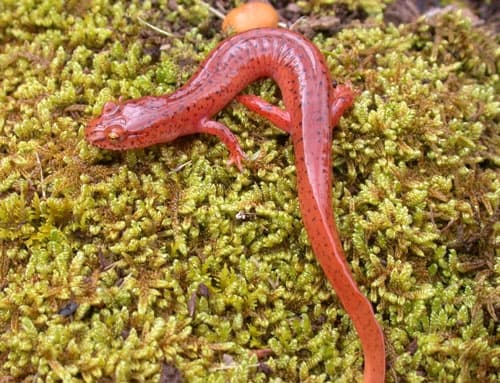
The Blue Ridge spring salamander, a subspecies of the spring salamander (Gyrinophilus porphyriticus), is found in the southern Appalachian Mountains and adjacent Piedmont regions of the United States. This species is distinguished by a distinctive white line from its eye to its nostril, bordered by a dark line, and its varied dorsal coloration ranging from reddish to orange-yellow with black or brown spots. They inhabit cool springs, mountain springs, and moist forest areas, and are notable for their diet which can include other salamanders.
Ambystoma leorae
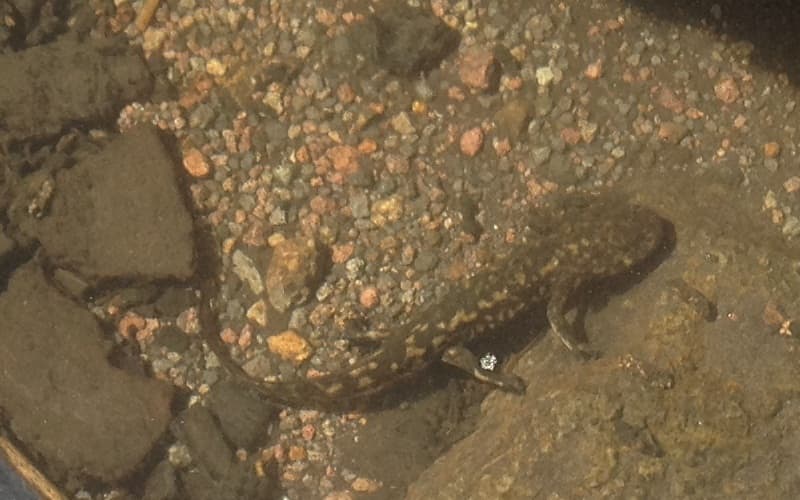
The Leora's stream salamander (Ambystoma leorae) is a critically endangered mole salamander endemic to a very small region within Mexico's Iztaccihuatl-Popocatepetl National Park. Its survival is threatened by its specific water quality requirements and human activities such as water extraction, cattle grazing, and direct consumption, leading to a single known population persisting on Mount Tlaloc.

Coastal giant salamander
The coastal giant salamander (Dicamptodon tenebrosus) is the largest terrestrial salamander in North America, found in the Pacific Northwest. It exhibits a dual life cycle, with an aquatic larval stage and a terrestrial adult form, though some individuals can become sexually mature while retaining larval features through neoteny. This species is known for its ability to vocalize and its skin secretions which are toxic if ingested.