
Devil's Den Cave
solution sinkhole·Usa·karst window
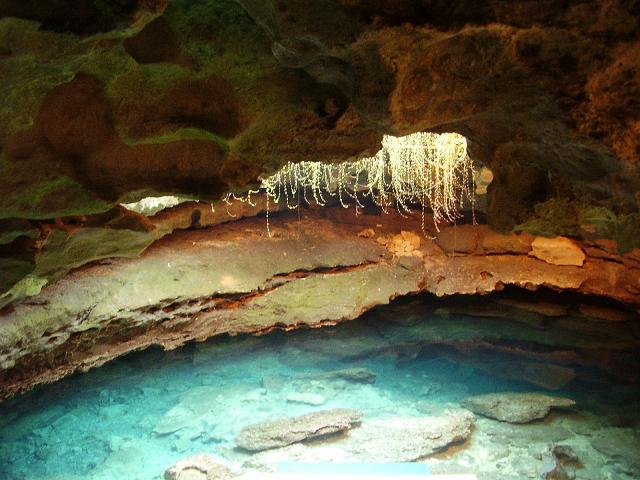
Devil's Den Cave is a unique solution sinkhole located near Williston, Florida, notable for its ancient paleontological discoveries and its transformation into a recreational SCUBA diving site. The cave features a karst window opening to a geothermally warmed underground river, which, during colder months, produces a visible steam plume reminiscent of a "chimney from Hell" to early settlers. Extensive fossil finds, including those of extinct Pleistocene animals alongside human remains and artifacts, have been documented within its underwater passages, offering a glimpse into prehistoric life.
Key Facts
- ›Features a constant water temperature of 72 °F (22 °C) due to geothermal warming.
- ›The original surface opening was a small solution sinkhole, enlarged in the 1990s.
- ›Underwater, the cave expands significantly, reaching up to 200 feet (61 M) in width.
- ›Paleontological studies in 1960 uncovered numerous fossils of extinct Pleistocene animals and associated human remains and artifacts.
- ›The cave was opened to the public as a dive site in the early 1990s.
Geothermally Warmed Underground River, Paleontological Discoveries, Scuba Diving Site
Freshwater
Mastodons, Ground Sloths, Camels, Horses, Dire Wolves, Bog Lemmings, Florida Spectacled Bears, Saber-Toothed Cats, Peccaries, Fish, Amphibians, Reptiles, Birds
About Devil's Den Cave
Devil's Den Cave: Prehistoric Past and Submerged Exploration
Devil's Den Cave is a significant geological formation located near Williston, Florida, recognized primarily as a solution sinkhole and a vital site for both paleontological research and recreational SCUBA diving. Its most striking feature is a karst window that opens to a subterranean river, distinguished by its geothermally warmed waters maintaining a constant 72 °F (22 °C). During colder periods, the rising water vapor creates a visible plume above the cave entrance, a phenomenon that historically evoked imagery of a "chimney from Hell" for early settlers.
Paleontological Significance
The underwater passages of Devil's Den Cave have yielded a remarkable collection of fossils. Extensive scientific dives conducted in 1960 uncovered numerous remains of extinct Pleistocene animals, including mastodons, ground sloths, camels, horses, dire wolves, and saber-toothed cats. Crucially, these animal fossils were found in association with human remains and artifacts, dating back to the terminal Pleistocene period. These discoveries provide invaluable insights into the prehistoric environment and the coexistence of humans and megafauna in Florida.
Geological Features and Development
Geologically, Devil's Den represents a karst window where the collapse of subterranean river roof has exposed the water. The cave's structure is described as an "inverted mushroom" shape below the water's surface. While the surface opening was originally small, requiring visitors to squeeze through, it was enlarged in the 1990s to improve accessibility. The cave's water level has historically fluctuated with the regional water table, though it has risen above the main platform in recent years.
Recreational Use
Since the early 1990s, Devil's Den Cave has been privately owned and operated as a popular SCUBA diving training and recreational facility. Its unique underwater environment, constant water temperature, and historical significance draw divers and visitors seeking an extraordinary subterranean experience. The cave's depth exceeds 20 meters (66 ft), offering challenging yet rewarding diving opportunities.
Source: Wikipedia ↗
Frequently Asked Questions
What is Devil's Den Cave?
Devil's Den Cave is a solution sinkhole located near Williston, Florida. It is known for its underground river, which is geothermally warmed, and for the significant paleontological discoveries made within its underwater passages.
What makes the water in Devil's Den Cave unique?
The water in Devil's Den Cave is geothermally warmed, maintaining a constant temperature of 72 °F (22 °C) year-round. In cold weather, this temperature difference causes steam to rise from the surface, creating a visible plume.
What was found in Devil's Den Cave?
Extensive fossil remains of extinct Pleistocene animals, such as mastodons, ground sloths, and saber-toothed cats, were discovered. Alongside these, human remains and artifacts were also found, indicating prehistoric human activity.
When was Devil's Den Cave discovered?
While the exact year of its initial discovery is not specified, extensive scientific study of its paleontological significance occurred in 1960. The cave was opened to the public as a dive site in the early 1990s.
Can you dive at Devil's Den Cave?
Yes, Devil's Den Cave is operated as a SCUBA diving training and recreational facility. The cave was opened to the public as a dive site in the early 1990s, and its underwater passages are accessible to divers.
What are the dimensions of Devil's Den Cave?
The diameter of the cave at the surface of the water is about 100 feet (30 m). Underwater, the cave expands to be up to 200 feet (61 m) across. The water depth is more than 20 meters (66 ft).
Related Sinkholes

Trout Pond
Trout Pond, formerly known as Old Pond, is West Virginia's only natural lake, formed by a sinkhole that filled with water from mountain streams. It is a karst feature located within the Trout Pond Recreation Area in the George Washington National Forest. While historically a stable body of water, recent underground structural changes in the underlying limestone have caused it to periodically drain, highlighting the dynamic nature of sinkhole formations.

Makauwahi Cave
Makauwahi Cave is the largest limestone cave in Hawaii, located on the south coast of Kauaʻi in the Māhāʻulepū Valley. It is geologically unique as a sinkhole paleolake within eolianite limestone, preserving nearly 10,000 years of sedimentary record. Its significance lies in its rich paleoecological and archaeological findings, offering insights into pre-human conditions and the ecological impact of human colonization.
Kingsley Lake
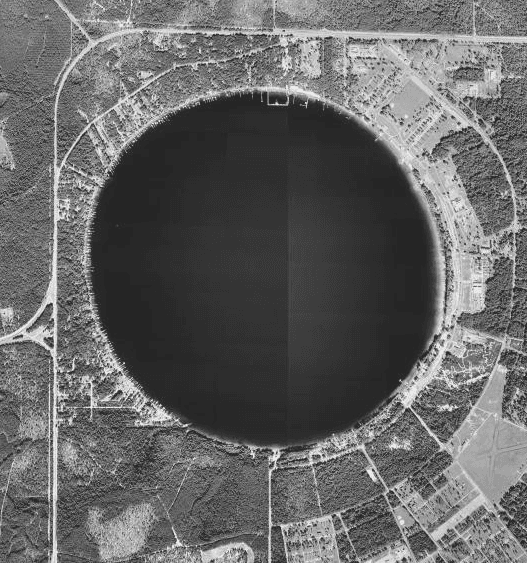
Kingsley Lake is a nearly circular freshwater sinkhole lake located in Clay County, Florida, distinguished by its near-perfect round shape and its position atop Florida's ancient Trail Ridge. Formed by the dissolution of underlying limestone, it is an oligotrophic body of water with exceptional clarity and minimal nutrient levels, making it a valuable natural resource and a site of ecological and geological interest.