
Bradypus
The three-toed sloth, belonging to the genus Bradypus, is an arboreal mammal native to neotropical regions. Distinctive for its incredibly slow movement, it has a unique symbiotic relationship with algae that grows on its fur, providing camouflage and potential nutritional benefits. These sloths are primarily diurnal and solitary, with a specialized digestive system adapted to their low-energy diet of leaves.
Key Facts
- ›Famously slow-moving, with an average speed of 0.24 km/h (0.15 mph).
- ›Possess three clawed toes on each limb, and a short tail of 6-7 cm (2-3 in).
- ›Their fur often appears greenish due to algae growth, which aids in camouflage and can provide nutritional benefits.
- ›Primarily diurnal, unlike the nocturnal two-toed sloths.
- ›Adults are solitary and mark territories using scent glands and dung middens.
- ›Have a specialized digestive system that takes about a month for a single leaf to pass through.
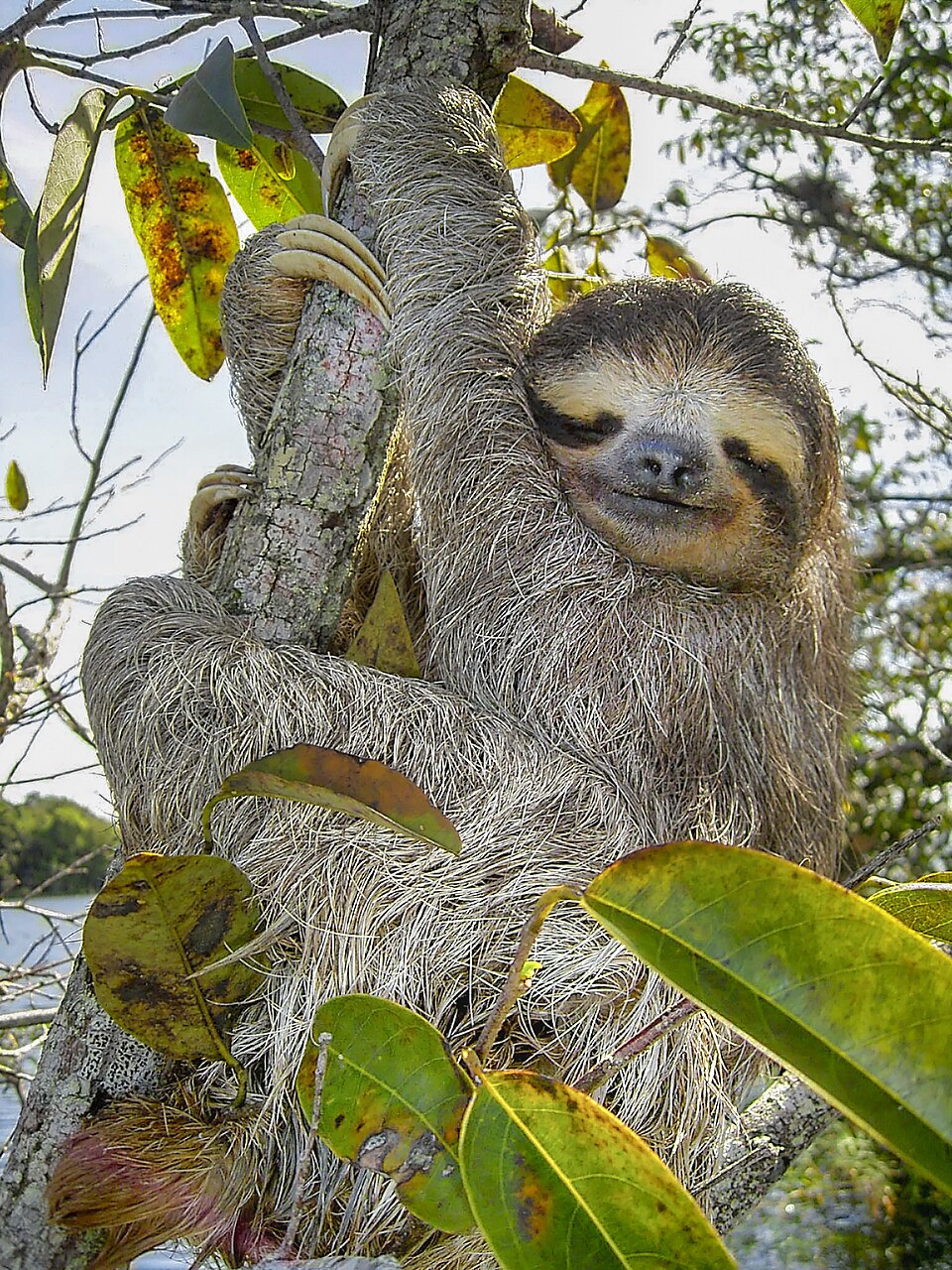
Three-Toed Sloth, Three-Fingered Sloth
Tropical Forests, Riparian Forests, Cacao Plantations, Pastures, Peri-Urban Areas, Living Fence-Rows
- About the Size of A Small Dog Or Large Cat
- Combined Head and Body Length Around 45 cm
- Weight of 3.5–4.5 kg
- Short Tails of 6–7 cm
- Three Clawed Toes On Each Limb
- Long, Coarse Fur Often Appearing Greenish Due To Algae Growth
- Possess Up To Nine Cervical Vertebrae
Leaves
- Famously Slow-Moving
- Agile Swimmers
- Arboreal
- Descend Once A Week To Defecate On the Forest Floor
- Predominantly Diurnal, But Can Be Active At Any Hour
- Solitary
- Mark Territories Using Anal Scent Glands and Dung Middens
- Consume Algae From Their Fur
- Prefer To Keep To A Particular Type of Tree
Screams, Anal Scent Glands, Dung Middens
About Bradypus
Three-Toed Sloths (Bradypus)
The three-toed sloths, belonging to the genus Bradypus, are a group of arboreal mammals native to the neotropical forests. They are distinguished by their famously slow metabolism and movement, averaging a speed of only 0.24 km/h (0.15 mph). Unlike their two-toed relatives, three-toed sloths possess three clawed digits on each limb and a short tail.
Physical Characteristics and Adaptations
These sloths are roughly the size of a small dog or large cat, with a combined head and body length of about 45 cm (18 in) and an average weight of 3.5–4.5 kg (8–10 lb). Their long, coarse fur often appears greenish due to the growth of algae, which provides excellent camouflage among the leaves of their canopy home. This algae may also offer nutritional benefits, as sloths have been observed consuming it. Anatomically, they are adapted for an arboreal existence, with strong claws and specialized muscles for hanging. Their internal organs are attached to their lower ribs to facilitate easier breathing while inverted.
Diet and Digestion
The diet of three-toed sloths consists primarily of leaves. Their digestive system is remarkably slow, with a single leaf taking approximately a month to pass through their four-chambered stomach and digestive tract. This slow metabolism means they do not require large quantities of food daily. While they derive most of their hydration from their leafy diet, they have been seen drinking directly from rivers.
Behavior and Lifestyle
Three-toed sloths are predominantly diurnal, though they can be active at any hour. They are agile swimmers and spend most of their lives in trees, descending only about once a week to defecate on the forest floor. Adults are solitary animals, marking their territories with scent glands and dung middens. They exhibit a unique behavior of moving between trees, typically up to four times a day, and often prefer to stay within a specific type of tree, which may vary among individuals.
Reproduction and Lifespan
Three-toed sloths do not have a specific mating season and breed year-round. Males are attracted to females in estrus by their vocalizations. After a gestation period of about six months, females give birth to a single offspring, which clings to its mother's belly for approximately nine months. The young are weaned around this time. Adults typically live for 25 to 30 years, reaching sexual maturity between three and five years of age.
Source: Wikipedia ↗
Frequently Asked Questions
What are the main characteristics of a three-toed sloth?
Three-toed sloths are known for their extremely slow movement, arboreal lifestyle, and distinctive three-clawed toes. Their fur often hosts algae, providing camouflage and potential nutritional supplements. They are also characterized by their specialized digestive system and solitary nature.
How do three-toed sloths move and what are their physical adaptations?
These sloths move very slowly, averaging just 0.24 km/h. They are adapted for hanging in trees with strong claws and specialized muscles for gripping. Their abdominal organs are attached to their ribs to facilitate easier breathing while inverted.
What do three-toed sloths eat and how do they digest it?
Their diet consists mainly of leaves. Their digestive process is very slow, taking about a month for a single leaf to pass through their four-chambered stomach and digestive tract. They also obtain fluids from their food and have been observed drinking from rivers.
What is the symbiotic relationship three-toed sloths have with algae?
Algae grow on the sloth's fur, giving it a greenish appearance and providing camouflage. Sloths may consume this algae for nutritional benefits, such as carbohydrates and lipids, and it may also offer insulation and UV protection.
Are three-toed sloths social animals?
Adult three-toed sloths are predominantly solitary. They mark their territories using anal scent glands and dung middens. While males are attracted to females in estrus, they otherwise tend to live alone.
What is the lifespan of a three-toed sloth?
Members of the genus Bradypus typically live for around 25 to 30 years. They reach sexual maturity between three and five years of age.
How do three-toed sloths differ from two-toed sloths?
While both are arboreal, three-toed sloths are generally smaller and slower than two-toed sloths. A key difference is the number of toes on their forelimbs (three versus two). Three-toed sloths are also primarily diurnal, whereas two-toed sloths are nocturnal.
Related Sloths & Anteaters

Cyclopes
The silky anteater, also known as the pygmy anteater, is the smallest of all known anteaters, belonging to the genus Cyclopes. It inhabits southern Mexico, Central America, and South America, and is distinguished by its nocturnal and arboreal lifestyle, with highly modified hind feet for climbing. Recent taxonomic reviews suggest that what was once considered a single species may actually comprise several distinct species.

Tamandua
Tamandua are a genus of anteaters native to forests and grasslands in South America. They are semi-arboreal, meaning they spend time both in trees and on the ground, and are distinguished by their long, tubular snouts, partially prehensile tails, and thick, bristly fur that often features a dark lateral band. Primarily feeding on ants and termites, tamanduas are nocturnal and rely heavily on their keen sense of smell and hearing to locate prey.
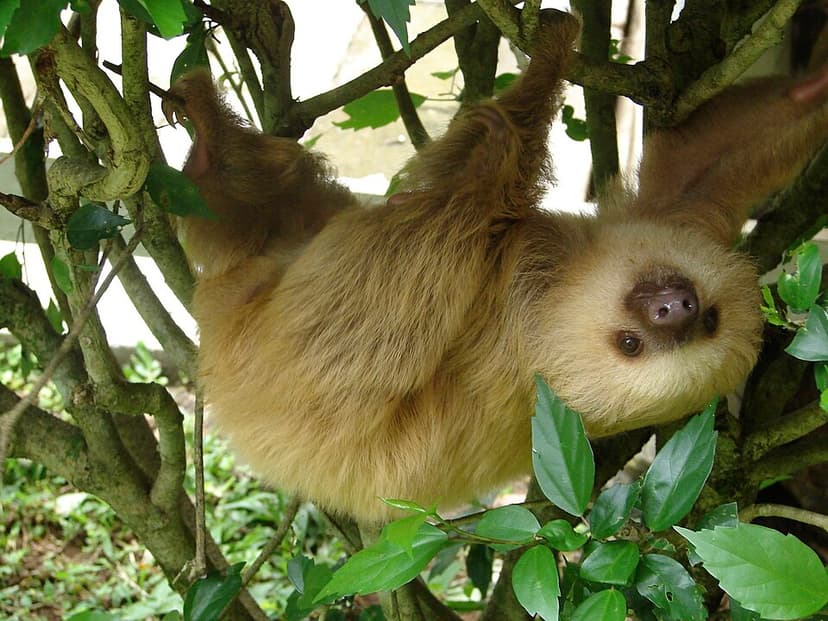
Choloepus
Choloepus is a genus of two-toed sloths native to Central and South America. Unlike their three-toed relatives, they possess two digits on their forelimbs and three on their hindlimbs, and are distinguished by their longer fur, more prominent snout, and absence of a tail. These arboreal mammals are predominantly nocturnal and move by hanging upside down, a behavior that contributes to their extremely slow locomotion.