
Desidae
Ambush predator (intertidal species hiding in sealed shells and emerging at night).
Desidae is a family of spiders, with some species notably adapted to intertidal zones. While historically known for its marine-dwelling members, the family now also encompasses numerous inland genera. The vast majority of Desidae are native to Australia, New Zealand, or New Caledonia, with a significant presence also in South America.
Key Facts
- ›Some Desidae spiders are known as intertidal spiders due to their adaptation to marine environments.
- ›The family is primarily found in Australasia and South America, with some species extending to Malaysia.
- ›Many intertidal Desidae spiders seal barnacle shells with silk to trap an air bubble during high tide.
- ›They emerge at night to hunt small arthropods in the intertidal zone.
- ›The family now includes inland genera such as Badumna and Phryganoporus.
- ›As of January 2026, Desidae comprises 63 genera and 323 species.
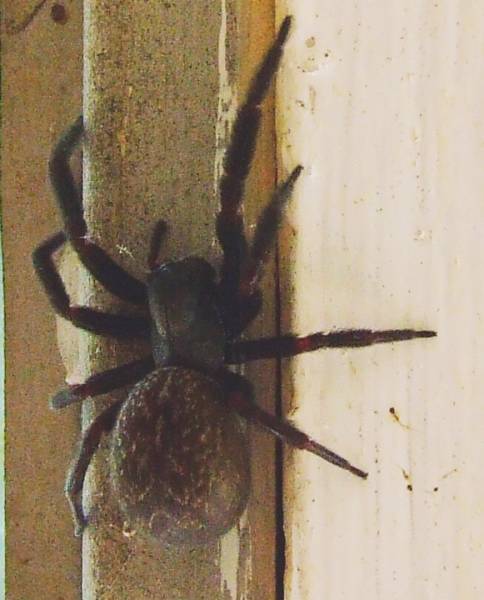
Intertidal Spiders
South America, Australasia, Malaysia
- Adaptation To Intertidal Marine Environments For Some Species
- Ability To Seal Barnacle Shells With Silk To Trap An Air Bubble
Seal Barnacle Shells With Silk, Emerge At Night To Feed
About Desidae
What is Desidae?
Desidae is a family of spiders, notable for some of its members being referred to as intertidal spiders. These unique arachnids have adapted to live in the challenging marine environment of the intertidal zone. The family's name is derived from the genus Desis, whose species are characteristic inhabitants of this coastal habitat. In recent years, the taxonomic understanding of Desidae has expanded, now encompassing a broader range of genera and species that live in inland environments, such as Badumna and Phryganoporus.
Distribution and Habitat
The vast majority of genera currently classified within Desidae are native to Australia, New Zealand, or New Caledonia. However, the family's distribution also extends to other parts of the world, including South America. Some species have even been recorded as far north as Malaysia. A notable instance of introduction is Metaltella simoni, which has established itself in various parts of the Southern United States, raising concerns about its potential impact on native titanoecid species.
Adaptations and Lifestyle
Those intertidal spiders that are truly marine exhibit remarkable adaptations for survival. They commonly reside in barnacle shells, which they meticulously seal with silk. This silken construction is crucial as it allows the spiders to trap an air bubble, enabling them to breathe during high tide when their habitat is submerged. These spiders are primarily nocturnal, emerging from their shelters after dark to hunt. Their diet consists of various small arthropods that also inhabit the intertidal zone, making them active predators in this specialized ecosystem.
Source: Wikipedia ↗
Frequently Asked Questions
What are intertidal spiders?
Intertidal spiders are a type of spider belonging to the Desidae family that have adapted to live in the marine intertidal zone. These spiders often inhabit barnacle shells, which they seal with silk to create an air pocket during high tide.
Where are Desidae spiders found?
The Desidae family is predominantly found in South America and Australasia, including regions like Australia, New Zealand, and New Caledonia. Some species have also been recorded as far north as Malaysia.
How do intertidal Desidae spiders survive high tide?
Intertidal Desidae spiders survive high tide by sealing themselves inside barnacle shells with silk. This construction allows them to maintain a trapped air bubble, providing them with air to breathe while submerged.
What do Desidae spiders eat?
Desidae spiders that inhabit the intertidal zone emerge at night to feed on various small arthropods found within that environment. Their diet consists of small creatures that also live in the intertidal area.
Has the Desidae family always included inland spiders?
No, the Desidae family has undergone reevaluation in recent years. It now includes inland genera and species, such as Badumna and Phryganoporus, whereas it was historically more defined by its intertidal members.
How many species are in the Desidae family?
As of January 2026, the Desidae family is recognized to include 63 genera and a total of 323 species.
Related Spider species

Deinopidae
Deinopidae, commonly known as net-casting spiders, are a family of circumtropical cribellate spiders recognized for their unique hunting strategy. These stick-like spiders catch prey by stretching a specialized web between their front legs and then propelling themselves forward, entangling their victims. Their exceptional night vision, facilitated by large posterior median eyes, allows them to hunt effectively in low-light conditions.

Clubionidae
The sac spiders of the family Clubionidae are a diverse group of nocturnal, sac-building hunting spiders found globally. While historically a broad classification, the family now encompasses fewer than 700 described species across 18 genera, with the genus Clubiona being the most species-rich. These spiders are distinctive for their silken retreats where they shelter during the day.
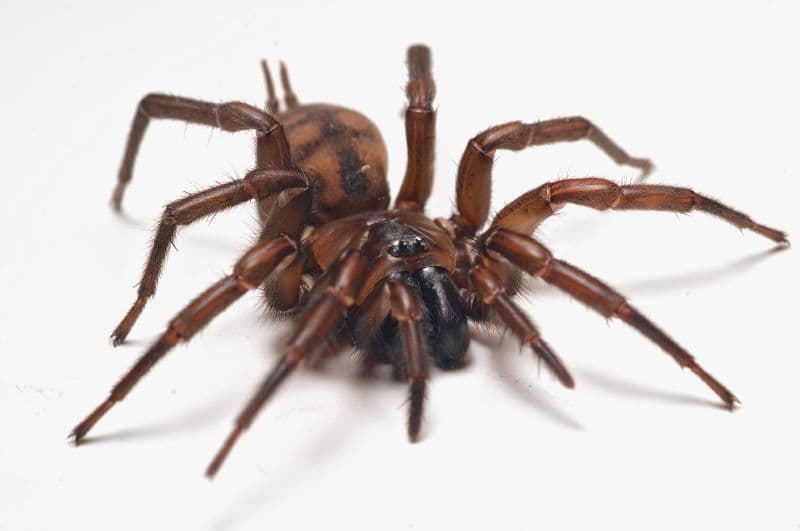
Hexathelidae
Hexathelidae is a family of mygalomorph spiders, commonly referred to as tunnelweb or funnel-web spiders. These spiders are characterized by their medium to large size, dark coloration, and powerful chelicerae and fangs. Historically, the family was much larger, but in 2018, several genera were moved to new families, significantly reducing its scope.