
Liocranidae
Liocranidae·Liocranidae·Habitats vary across the family, with some species like Neoanagraphis found in extremely dry desert conditions. Females of Neoanagraphis species inhabit animal burrows.·https://upload.wikimedia.org/wikipedia/commons/thumb/a/a6/Liocranidae.svg/1200px-Liocranidae.svg.png
Liocranidae is a family of araneomorph spiders, commonly referred to as "sac spiders." First described by Eugène Simon in 1897, this family includes numerous genera, with the holarctic genus Agroeca being the most recognized. Some species, like those in the North American genus Neoanagraphis, are adapted to extremely arid desert environments.
Key Facts
- ›Liocranidae is a family of araneomorph spiders.
- ›They are commonly known as "sac spiders."
- ›The family was first described by Eugène Simon in 1897.
- ›The holarctic genus Agroeca is the best-known within the family.
- ›Some species, such as Neoanagraphis, inhabit dry desert regions.
- ›As of January 2026, the family comprises 35 genera and 357 species.
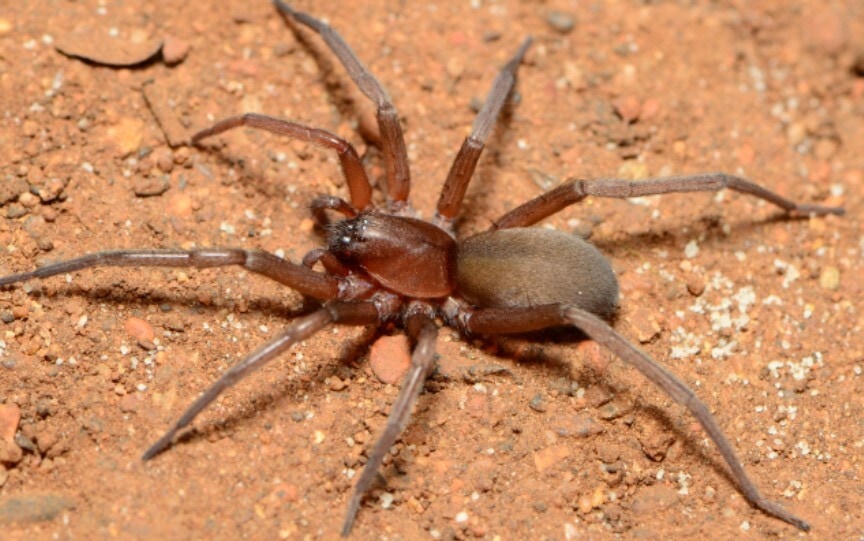
Sac Spiders
Holarctic, North America
- Females of Neoanagraphis Live In Animal Burrows.
- Males of Neoanagraphis Wander and Are More Frequently Captured In Pitfall Traps.
About Liocranidae
The Liocranidae family encompasses a group of araneomorph spiders commonly known as "sac spiders." This taxonomic classification was first established by Eugène Simon in 1897. While the holarctic genus Agroeca stands out as the most recognized member of this family, Liocranidae also includes a variety of less commonly known genera, some of which still require detailed diagnosis.
Habitat and Distribution
Species within the Liocranidae family exhibit adaptations to diverse environments. For instance, two species belonging to the North American genus Neoanagraphis are found inhabiting the arid conditions of the Mojave, Sonoran, and Chihuahuan deserts. In these dry regions, the females of Neoanagraphis species typically reside within animal burrows, while the males are more nomadic, often being the individuals encountered in pitfall traps.
Taxonomy and Classification
As of January 2026, the Liocranidae family is recognized as comprising 35 distinct genera and a total of 357 species. This number reflects the ongoing scientific exploration and classification within the spider kingdom, with new discoveries and revisions continually refining our understanding of this diverse family.
Source: Wikipedia ↗
Frequently Asked Questions
What are Liocranidae spiders commonly called?
Liocranidae spiders are commonly referred to as "sac spiders." This is one of several groups of spiders that share this common name.
When was the Liocranidae family first described?
The Liocranidae family was first described by Eugène Simon in the year 1897. He was a prominent arachnologist who cataloged many spider families.
Which genus is the most well-known in the Liocranidae family?
The holarctic genus Agroeca is the best-known within the Liocranidae family. This genus contains species that are more widely recognized and studied.
Where are some Liocranidae species found?
Two species in the North American genus Neoanagraphis are found in the extremely dry conditions of the Mojave, Sonoran, and Chihuahuan deserts. These species are adapted to arid environments.
How many genera and species are in the Liocranidae family?
As of January 2026, the Liocranidae family includes 35 genera and 357 species. This number reflects the ongoing classification and discovery within the group.
Related Spider species
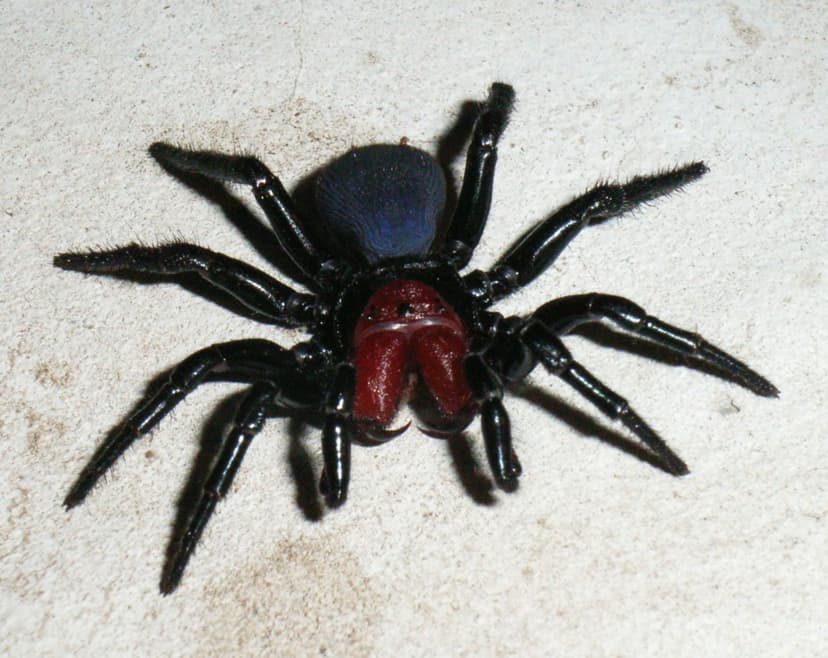
Actinopodidae
Actinopodidae is a family of mygalomorph spiders native to mainland Australia and South America, typically inhabiting open forests. This family includes the mouse spiders (Missulena species), which are notable for their medically significant and potentially dangerous bites.

Agelenidae
The Agelenidae, commonly known as funnel weavers, are a large family of spiders found globally. They are distinguished by their fast running speeds and the construction of flat sheet webs with a funnel-shaped retreat. While most species are solitary, some African species exhibit parasocial behavior, living in communal webs.
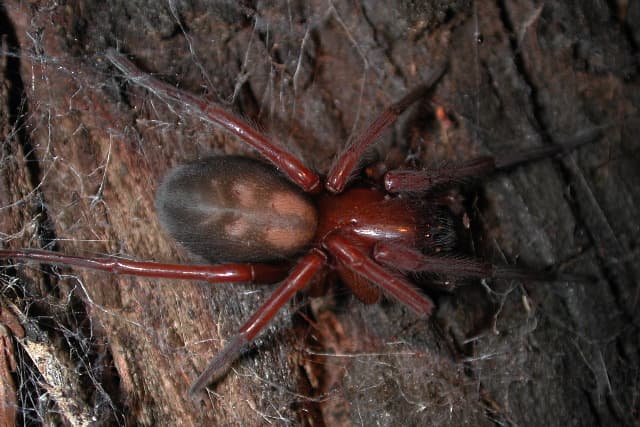
Amaurobiidae
Amaurobiidae is a family of spiders characterized by their three-clawed feet and the presence of either a cribellum or its absence. These spiders are typically found in crevices, hollows, or under stones, where they construct retreats and are often captured in pitfall traps. While widespread, they can be challenging to distinguish from closely related spider families.