
Miturgidae
Ambush predator, utilizing shelters for protection and likely ambushing prey that comes near.
Miturgidae is a family of araneomorph spiders comprising approximately 200 species across 33 genera. First described in 1886, this family is known for its generally brown and gray banded coloration and nocturnal habits. These spiders construct sac-like shelters for protection and egg-laying.
Key Facts
- ›Includes about 200 species in 33 genera worldwide.
- ›Characterized by brown and gray band patterns on their bodies.
- ›Primarily nocturnal, active during the night.
- ›Construct sac-like shelters on vegetation or under debris.
- ›Mother spiders protect their eggs within these shelters.
- ›The family was first described by Eugène Simon in 1886.

Worldwide
Nocturnal, Build Sac-Like Shelters, Mothers Protect Eggs In Shelters
About Miturgidae
The Miturgidae family encompasses a diverse group of araneomorph spiders, with approximately 200 species cataloged across 33 genera worldwide. First formally described by Eugène Simon in 1886, this family has undergone significant taxonomic revisions over time, notably incorporating the former family Zoridae and excluding others. Spiders within the Miturgidae family are generally characterized by their small to medium size and a distinctive coloration pattern that frequently features bands of brown and gray across their bodies.
These spiders exhibit predominantly nocturnal behavior, indicating their peak activity occurs during the night. Their habitat includes both the ground and foliage, where they construct specialized sac-like shelters. These shelters serve multiple purposes, providing protection from environmental elements and predators, as well as acting as nurseries for their young. Mother spiders are known to deposit and diligently protect their eggs within these meticulously built structures, ensuring the safety of the next generation. While specific details about their venom's effects on humans are not extensively documented, like most spiders, they are venomous and play a role in controlling insect populations within their ecosystems.
Source: Wikipedia ↗
Frequently Asked Questions
What is the Miturgidae family?
Miturgidae is a family of araneomorph spiders. It encompasses about 200 species organized into 33 different genera found across the globe. The family was initially described in 1886.
What do Miturgidae spiders look like?
Spiders belonging to the Miturgidae family are typically small to medium in size. Most species exhibit a distinctive coloration pattern featuring bands of brown and gray across their bodies.
Where do Miturgidae spiders live?
Miturgidae spiders inhabit the ground or foliage. They create sac-like shelters in vegetation or under rocks and other debris, where they reside and protect their young.
Are Miturgidae spiders active during the day or night?
Miturgidae spiders are nocturnal. This means they are primarily active and hunt during the nighttime hours.
How do Miturgidae spiders protect their eggs?
Mother spiders of the Miturgidae family deposit their eggs within the sac-like shelters they construct. They then actively protect these eggs within these protected structures.
Related Spider species
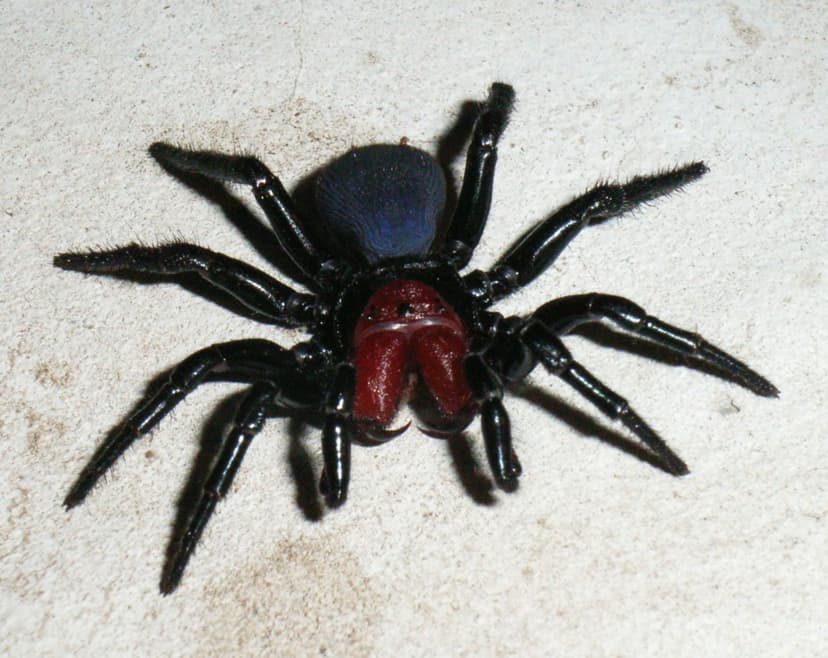
Actinopodidae
Actinopodidae is a family of mygalomorph spiders native to mainland Australia and South America, typically inhabiting open forests. This family includes the mouse spiders (Missulena species), which are notable for their medically significant and potentially dangerous bites.

Araneidae
The Araneidae, commonly known as orb-weaver spiders, are a widespread family of spiders renowned for constructing distinctive spiral wheel-shaped webs. Found globally, these spiders are characterized by their eight eyes, hairy or spiny legs, and the absence of stridulating organs. With nearly 5,000 described species, they represent one of the largest spider families, playing a significant role in controlling insect populations.
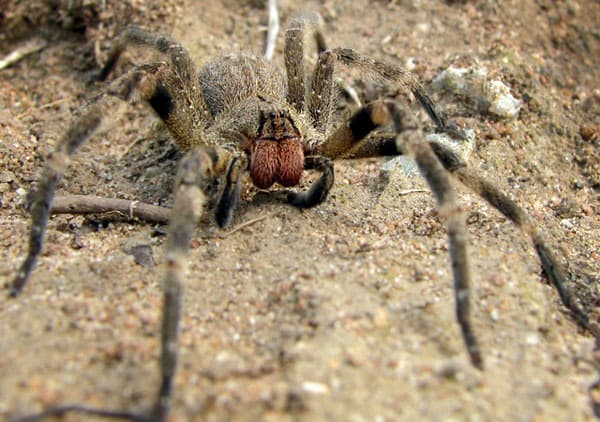
Ctenidae
Ctenidae, commonly known as wandering spiders, are a family of highly defensive and venomous nocturnal hunters. They are characterized by a distinctive longitudinal groove on the top-rear of their oval carapace. While many members are known for their potent venom, only a few species within the genus Phoneutria are confirmed to be hazardous to humans, though caution is advised for all larger ctenids due to poorly understood venoms.