
Ctenidae
Ctenidae, commonly known as wandering spiders, are a family of highly defensive and venomous nocturnal hunters. They are characterized by a distinctive longitudinal groove on the top-rear of their oval carapace. While many members are known for their potent venom, only a few species within the genus Phoneutria are confirmed to be hazardous to humans, though caution is advised for all larger ctenids due to poorly understood venoms.
Key Facts
- ›Wandering spiders are nocturnal hunters known for their defensive nature.
- ›They possess a distinctive longitudinal groove on the top-rear of their carapace.
- ›Some species, particularly within the genus Phoneutria, are venomous.
- ›They are capable of hunting large prey, including certain frog species.
- ›Caution is recommended when encountering larger members of the Ctenidae family.
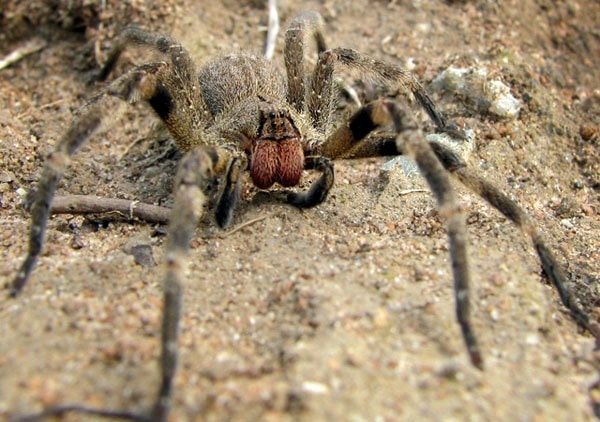
Wandering Spiders
- Distinctive Longitudinal Groove On the Top-Rear of Their Oval Carapace
Highly Defensive, Nocturnal Hunters
About Ctenidae
Ctenidae: The Wandering Spiders
Ctenidae, commonly referred to as wandering spiders, constitute a family of arachnids recognized for their distinctive characteristics and behaviors. These spiders are notable for being highly defensive and venomous nocturnal hunters. A key physical trait that helps identify members of this family is a longitudinal groove situated on the top-rear of their oval carapace, a feature shared with spiders from the Amaurobiidae family.
While the entire family is characterized by its venomous nature, the degree of hazard to humans varies. Specifically, only a few species within the genus Phoneutria have venom confirmed to be dangerous to people. However, due to the limited knowledge regarding the venoms of many ctenid species, it is advisable to treat all larger wandering spiders with caution.
These spiders are capable hunters, with a documented ability to prey on substantial targets, including certain species of hylid frogs, such as Dendropsophus branneri. Their hunting strategy is primarily active and nocturnal, meaning they forage for prey during the night rather than relying on webs to ensnare their meals.
Source: Wikipedia ↗
Frequently Asked Questions
What are wandering spiders?
Wandering spiders belong to the family Ctenidae and are known for being highly defensive and venomous nocturnal hunters. They are characterized by a specific groove on their carapace.
Are all wandering spiders dangerous to humans?
Not all wandering spiders are dangerous to humans. While some species, especially within the Phoneutria genus, have venom hazardous to humans, the venoms of the family are not fully understood. Therefore, larger ctenids should be treated with caution.
What do wandering spiders eat?
Wandering spiders are known to hunt large prey. This can include various insects and even small vertebrates like certain species of frogs.
What makes wandering spiders distinctive?
A key distinguishing feature of wandering spiders is a longitudinal groove located on the top-rear of their oval carapace. They are also known for their defensive and venomous nature as nocturnal hunters.
Related Spider species

Deinopidae
Deinopidae, commonly known as net-casting spiders, are a family of circumtropical cribellate spiders recognized for their unique hunting strategy. These stick-like spiders catch prey by stretching a specialized web between their front legs and then propelling themselves forward, entangling their victims. Their exceptional night vision, facilitated by large posterior median eyes, allows them to hunt effectively in low-light conditions.

Liphistiinae
Liphistius is a genus of basal trapdoor spiders belonging to the family Liphistiidae, notable for their segmented abdomens and mid-ventral spinnerets, a trait shared only with other members of the suborder Mesothelae. These spiders, found across Japan, China, and Southeast Asia, are characterized by their unique burrowing behavior, constructing silk-lined traps with a distinctive door.
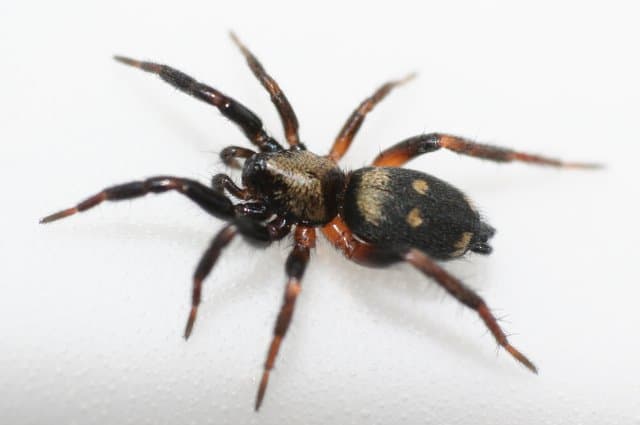
Gnaphosidae
Gnaphosidae, commonly known as ground spiders, represent the seventh largest family of spiders, encompassing approximately 2,500 described species across more than 100 genera worldwide. These spiders are characterized by their active hunting strategy, often using silk to entangle prey, and are found globally. They are closely related to Clubionidae and are known for their nocturnal foraging habits.