
Oonopidae
Oonopidae·Oonopidae·Leaf litter layer, under rocks, tropical rainforest canopies, and termite nests.·Generally tiny, measuring about 1 to 3 millimeters in body length.
Oonopidae, commonly known as goblin spiders, are a widespread family of tiny spiders, typically measuring between 1 to 3 millimeters. They are characterized by their small size, often six eyes (though variations exist), and a remarkable array of unusual morphological traits, particularly in males. These spiders are frequently found in leaf litter, under rocks, and in tropical rainforest canopies, with some species even inhabiting termite nests.
Key Facts
- ›Goblin spiders are exceptionally small, usually between 1 and 3 millimeters in body length.
- ›Most species possess six eyes, though variations with four, two, or no eyes are known.
- ›Males often display highly modified mouthparts, sternal pouches, carapace extensions, and pedipalps.
- ›They are found in diverse habitats, including leaf litter, under rocks, rainforest canopies, and termite nests.
- ›Oonopidae are frequently preserved as subfossils in copals and as fossils in amber.
- ›The family is estimated to contain 2000 to 2500 species across 115 genera.
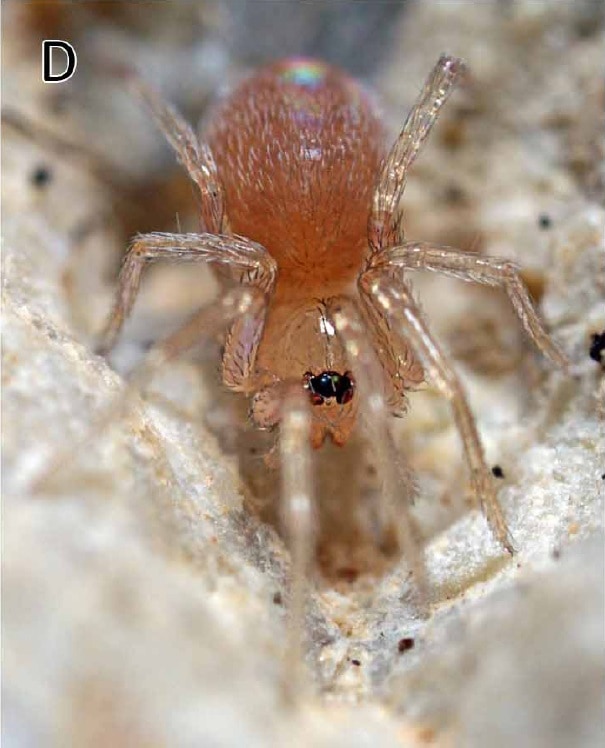
Goblin Spiders
Worldwide
- Often Six Eyes, Though Variations With Four, Two, Or No Eyes Exist.
- Males Frequently Exhibit Heavily Modified Mouthparts, Sternal Pouches, Carapace Extensions, and Pedipalps.
- Some Species Have Scuta .
- Wandering Behaviour, Which May Contribute To Their Frequent Preservation In Amber.
About Oonopidae
Oonopidae: The Goblin Spiders
Oonopidae, commonly referred to as goblin spiders, represent a diverse and widespread family of spiders, with nearly 2,000 described species and an estimated total diversity of 2,000 to 2,500 species across 115 genera worldwide. These arachnids are distinguished by their remarkably small size, typically measuring between 1 and 3 millimeters in body length, making them inconspicuous in their natural environments.
Description and Morphology
Goblin spiders generally possess six eyes, though notable exceptions exist, including species with four eyes, two eyes, or even completely eyeless forms, such as cave-dwelling species. A significant characteristic of the Oonopidae family is the presence of unusual morphological traits, many of which are exclusive to males. These can include highly modified mouthparts, sternal pouches (sometimes called holsters), extensions of the carapace, and often dramatically altered male pedipalps. For instance, members of the genus Orchestina are believed to be capable of jumping due to enlarged leg femora.
Lifestyle and Habitat
Due to their diminutive size, Oonopidae are seldom observed by humans. They are commonly found inhabiting the leaf litter layer of forests, beneath rocks, and are also a significant component of the spider fauna in the canopies of tropical rainforests. Furthermore, some specialized genera, like blind Afrotropical species, are found exclusively within termite nests. Evidence suggests that a few species may reproduce parthenogenetically, as males have not yet been collected for them.
Fossil Record
Oonopidae are frequently encountered in the fossil record, appearing as subfossils preserved in copals and as well-preserved fossils in amber. In fact, they are more prevalent in amber deposits than any other spider family, a phenomenon likely attributed to their widespread distribution, small size, and wandering behavior, as amber appears to favor the preservation of such spiders. Fossil Oonopidae are primarily represented by the extant genus Orchestina, with specimens found in amber dating back over 100 million years, indicating the genus's ancient widespread presence.
Source: Wikipedia ↗
Frequently Asked Questions
What are goblin spiders?
Goblin spiders, scientifically known as Oonopidae, are a family of very small spiders. They are characterized by their diminutive size, often six eyes, and a variety of unique physical features, especially in the males.
How big are Oonopidae spiders?
Oonopidae spiders are exceptionally small, with most species measuring only about 1 to 3 millimeters in body length. Their tiny size makes them difficult to spot in their natural environments.
Where are goblin spiders found?
Goblin spiders inhabit a wide range of environments globally. They are commonly found in leaf litter, under rocks, and as a significant part of the spider fauna in tropical rainforest canopies. Some species are specialized to live in termite nests.
Do all Oonopidae have six eyes?
While most Oonopidae species typically have six eyes, this is not universal. Some species have been documented with four eyes, two eyes, or are entirely eyeless, particularly cave-dwelling or specialized forms.
Are there any extinct Oonopidae species?
Yes, there are known extinct genera of Oonopidae, such as Burmorchestina, Canadaorchestina, and Fossilopaea, which have been identified in ancient amber deposits.
What makes male Oonopidae spiders distinctive?
Male goblin spiders often possess highly unusual and modified anatomical features. These can include specially adapted mouthparts, sternal pouches, extensions of the carapace, and significantly altered pedipalps.
Related Spider species

Orsolobidae
Orsolobidae is a family of six-eyed spiders comprising approximately 200 described species across thirty genera. First described by J. A. L. Cooke in 1965, it was elevated to family status from the "Dysderidae" classification in 1985. While most of its genera are endemic to New Zealand and Australia, some are also found in southern Africa and South America.
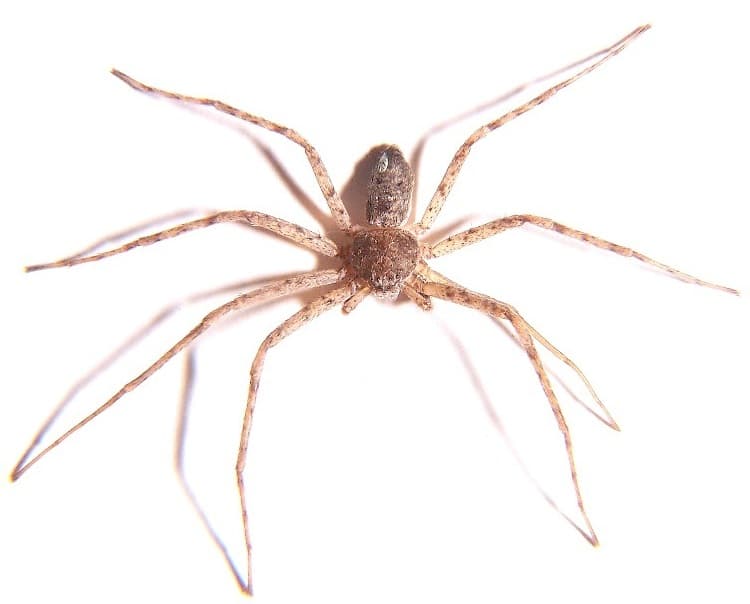
Philodromidae
Philodromidae, commonly known as philodromid crab spiders or running crab spiders, is a diverse family of araneomorph spiders that includes over 500 species across approximately thirty genera. These spiders are characterized by their crab-like body shape and active hunting strategy, preying on insects and other small invertebrates by ambush rather than web-building. They are typically found on plants, from deciduous trees to conifers, and are widespread across various habitats.

Paratropididae
Paratropididae, commonly known as bald-legged spiders, is a small family of mygalomorph spiders first described by Eugène Simon in 1889. These spiders are evolutionarily closer to tarantulas and their relatives than to most other "true" spiders. The family currently encompasses about 50 species distributed across six genera.