
Paratropididae
Paratropididae·Paratropididae·Specific habitat details for Paratropididae are not provided in the general overview, but as mygalomorphs, they are generally ground-dwelling or burrowing spiders.·Coloration details for Paratropididae are not provided in the general overview.
Paratropididae, commonly known as bald-legged spiders, is a small family of mygalomorph spiders first described by Eugène Simon in 1889. These spiders are evolutionarily closer to tarantulas and their relatives than to most other "true" spiders. The family currently encompasses about 50 species distributed across six genera.
Key Facts
- ›Paratropididae is a family of mygalomorph spiders.
- ›They are also referred to as bald-legged spiders.
- ›The family was first described by Eugène Simon in 1889.
- ›Paratropididae spiders are more closely related to tarantulas than to araneomorphs.
- ›The family contains six genera.
- ›Approximately 50 species are recognized within the family.

Bald-Legged Spiders
Legs May Be Described As "Bald"
About Paratropididae
What is known
The Paratropididae family, commonly recognized as bald-legged spiders, represents a small but distinct group within the order Araneae. These spiders belong to the suborder Mygalomorphae, which includes more primitive spider lineages such as tarantulas. The family was formally established by the influential arachnologist Eugène Simon in 1889. Evolutionary research indicates that Paratropididae spiders share a closer kinship with tarantulas and their relatives than with the vast majority of other spiders, known as araneomorphs.
Taxonomy and Diversity
As of current scientific understanding, the Paratropididae family is comprised of six distinct genera. These genera collectively house approximately 50 species, reflecting a moderate level of diversity within this specialized group. While specific details about the unique characteristics that lead to the "bald-legged" common name are not elaborated upon in general descriptions, this feature is a notable identifier for the family.
Evolutionary Significance
The classification of Paratropididae within the Mygalomorphae suborder underscores their ancient lineage. Their closer relationship to tarantulas suggests shared ancestral traits and evolutionary pathways that diverge from those of the more recently evolved araneomorph spiders. This familial connection provides valuable insights into the broader evolutionary history of spiders.
Source: Wikipedia ↗
Frequently Asked Questions
What are bald-legged spiders?
Bald-legged spiders are members of the family Paratropididae. This name likely refers to a characteristic feature of their legs, though specific details about this characteristic are not extensively documented in general overviews. They are a distinct group within the mygalomorph suborder of spiders.
What is the scientific classification of Paratropididae?
Paratropididae is classified as a family within the order Araneae, specifically belonging to the suborder Mygalomorphae. This places them in a lineage that includes tarantulas and other primitive spiders, distinguishing them from the more common araneomorph spiders.
Who first described the Paratropididae family?
The Paratropididae family of spiders was first described by the renowned arachnologist Eugène Simon in the year 1889. His work laid the foundation for the classification and understanding of this particular spider group.
How many genera and species are in the Paratropididae family?
As of recent scientific consensus, the Paratropididae family includes six distinct genera. Within these genera, approximately 50 species have been identified and described by researchers.
Are Paratropididae spiders related to tarantulas?
Yes, Paratropididae spiders are indeed more closely related to tarantulas and their allies than to the majority of other "true" spiders, which belong to the araneomorph group. This evolutionary relationship highlights their position within the more ancient lineages of spiders.
Related Spider species
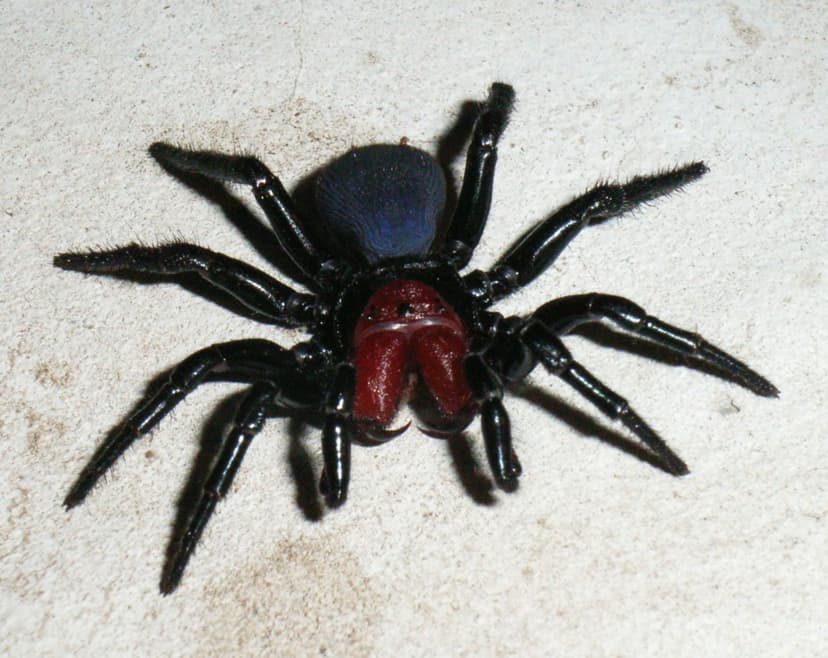
Actinopodidae
Actinopodidae is a family of mygalomorph spiders native to mainland Australia and South America, typically inhabiting open forests. This family includes the mouse spiders (Missulena species), which are notable for their medically significant and potentially dangerous bites.

Agelenidae
The Agelenidae, commonly known as funnel weavers, are a large family of spiders found globally. They are distinguished by their fast running speeds and the construction of flat sheet webs with a funnel-shaped retreat. While most species are solitary, some African species exhibit parasocial behavior, living in communal webs.
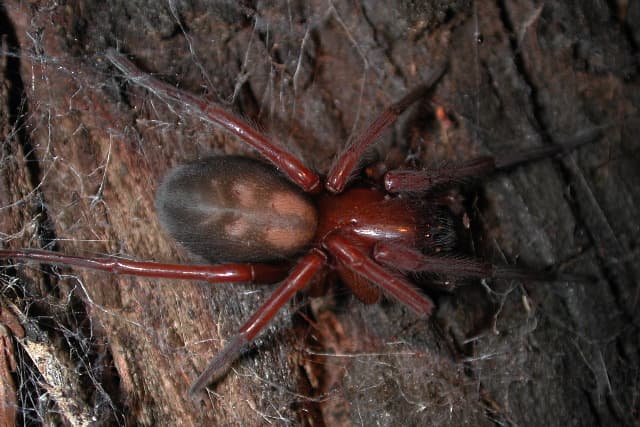
Amaurobiidae
Amaurobiidae is a family of spiders characterized by their three-clawed feet and the presence of either a cribellum or its absence. These spiders are typically found in crevices, hollows, or under stones, where they construct retreats and are often captured in pitfall traps. While widespread, they can be challenging to distinguish from closely related spider families.