
Oxyopidae
Ambush hunter, stalking, chasing prey on plants.
Lynx spiders (Oxyopidae) are a family of araneomorph spiders known for their hunting prowess on plants rather than in webs. They are characterized by large, spiny bristles on their legs and excellent vision, often ambushing prey like pollinators on flowers or camouflaged on plant stalks.
Key Facts
- ›Primarily hunting spiders that live on plants, many frequent flowers.
- ›Possess large, spiny leg bristles that can help confine prey.
- ›Rely heavily on keen eyesight for hunting, stalking, and avoiding danger.
- ›Six of their eight eyes are arranged in a distinctive hexagon-like pattern.
- ›Some species are known to be very speedy runners and leapers.
- ›Many species tolerate members of their own kind more than other spiders.
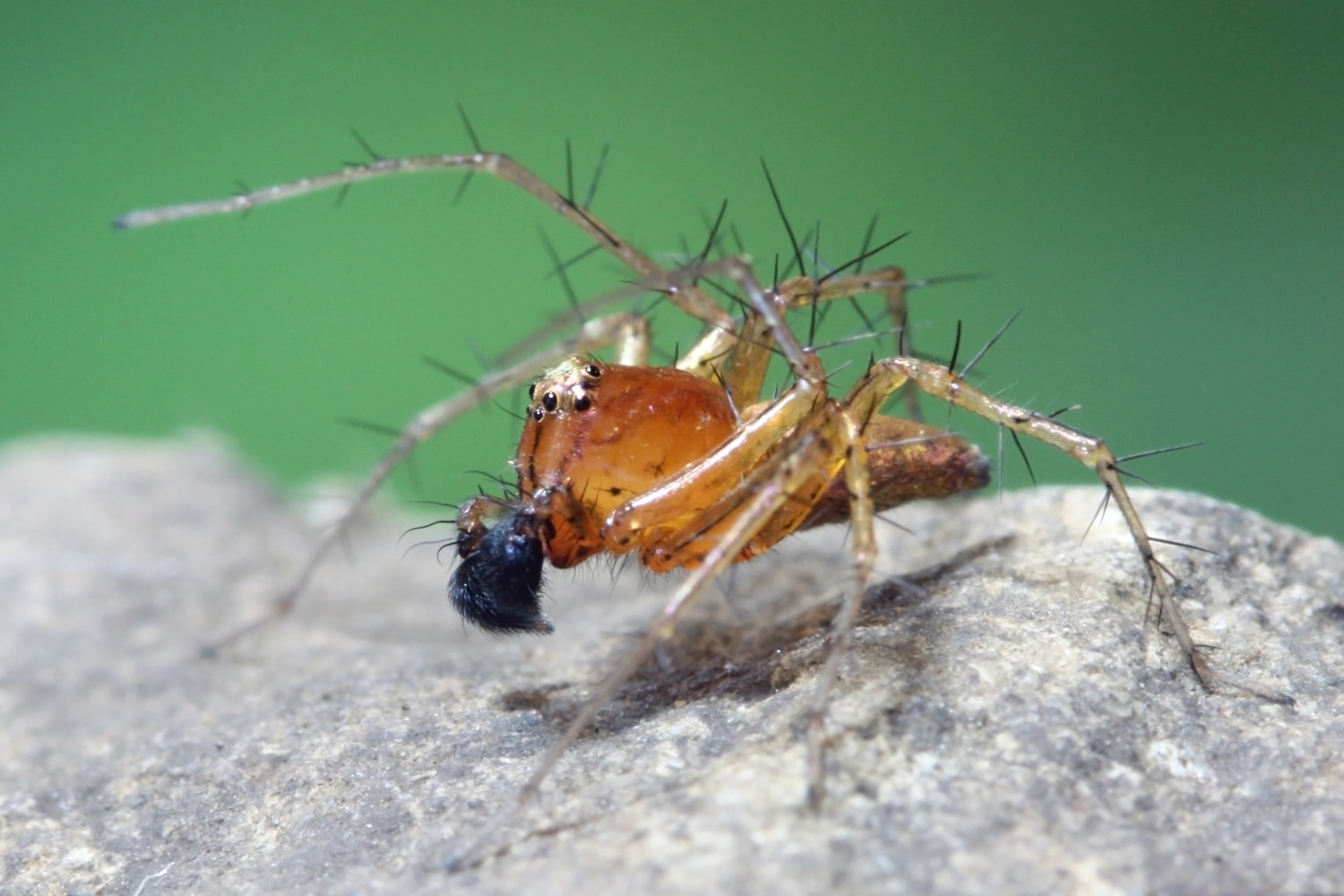
Lynx Spiders
- Large Spiny Bristles On Legs, Sometimes Forming A Basket-Like Structure.
- Six of the Eight Eyes Arranged In A Hexagon-Like Pattern On A Prominent Hump.
- Two Smaller Eyes Situated In Front of and Below the Other Six.
- Large, Vertical, and Parallel Basal Parts of the Chelicerae.
- Peculiar 'Flat-Faced' Appearance Due To the Basal Chelicerae and Bluff Front End.
- Fast Runners and Leapers.
- Alert With Good Vision.
- Tend To Flee Rapidly From Predators Or Large Creatures.
- Tolerate Members of Their Own Species More Than Many Spiders.
- Some Exhibit Social Behavior .
About Oxyopidae
Lynx Spiders (Oxyopidae)
Lynx spiders, belonging to the family Oxyopidae, are a group of araneomorph spiders distinguished by their active hunting lifestyle on plants rather than reliance on webs. First described by Tamerlan Thorell in 1870, these spiders are characterized by their excellent vision and speed, often ambushing prey from floral or vegetative perches.
Description and Identification
A key feature of most Oxyopidae species is the presence of large, spiny bristles on their legs, which can assist in grasping and confining struggling prey. Many species are small to medium in size. Identification of Lynx spiders often involves examining their eye arrangement: six of their eight eyes are typically positioned in a hexagon-like pattern on a prominent hump at the front of the prosoma, with two smaller eyes located below them. The basal parts of their chelicerae are often large and parallel, contributing to a distinctive "flat-faced" appearance.
Hunting and Behavior
Lynx spiders are primarily ambush hunters, with many species frequenting flowers to prey on pollinators, mirroring the behavior of crab spiders. Others camouflage themselves on plant stalks or bark. While generally preferring to flee from perceived threats, they exhibit a greater tolerance for members of their own species compared to many other spiders. At least one species, within the genus Tapinillus, is notable for being social, living in colonies with cooperative brood care.
Ecological Role and Distribution
Some Lynx spiders, such as the striped lynx spider (Oxyopes salticus), can be abundant enough to play a role as biological control agents in agricultural systems. However, their predation on pollinators is a point of consideration. The family includes ten genera and 448 species as of January 2026, inhabiting various plant-based environments.
Source: Wikipedia ↗
Frequently Asked Questions
What is a Lynx spider?
Lynx spiders belong to the family Oxyopidae, a group of araneomorph spiders. They are primarily hunting spiders that spend their lives on plants, often ambushing prey.
Where do Lynx spiders live?
Lynx spiders are found on plants, and many species frequent flowers. They can also be found crouching on plant stalks or bark, camouflaged to their surroundings.
What makes Lynx spiders distinctive?
They are known for their large, spiny leg bristles, excellent eyesight, and their habit of hunting on plants rather than building webs. Many species are also very speedy runners and leapers.
How do Lynx spiders hunt?
Lynx spiders are largely ambush hunters. They may lie in wait on flowers to ambush pollinators or crouch on plant stalks, relying on camouflage and keen vision to catch their prey.
Are Lynx spiders social?
While many Lynx spiders tend to tolerate members of their own species more than other spiders, social behavior is not common. However, at least one species within the genus Tapinillus is known to live in colonies with cooperative care.
Do Lynx spiders use webs to catch prey?
Most species of Lynx spiders make little use of webs for hunting. Instead, they rely on active hunting strategies on plants.
Related Spider species
Actinopodidae
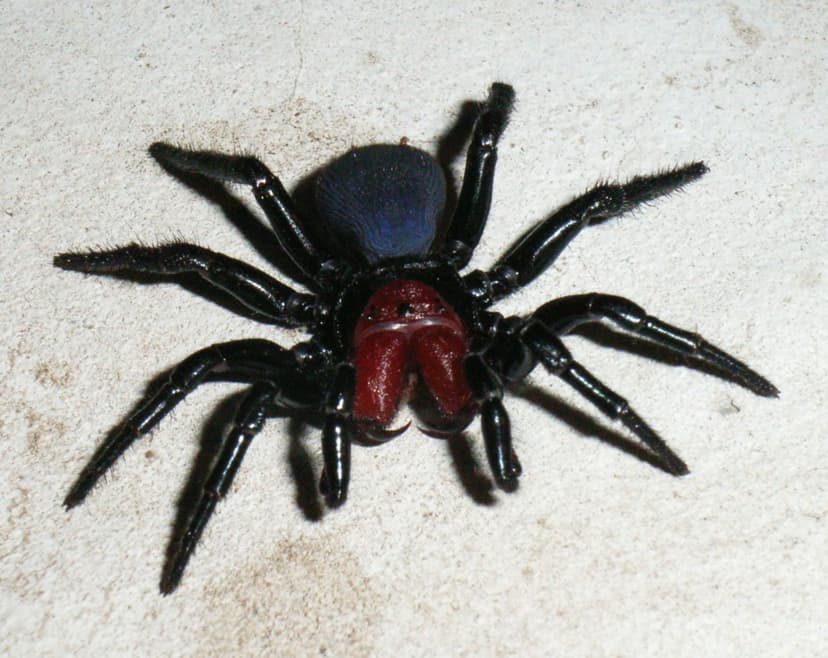
Actinopodidae is a family of mygalomorph spiders native to mainland Australia and South America, typically inhabiting open forests. This family includes the mouse spiders (Missulena species), which are notable for their medically significant and potentially dangerous bites.

Agelenidae
The Agelenidae, commonly known as funnel weavers, are a large family of spiders found globally. They are distinguished by their fast running speeds and the construction of flat sheet webs with a funnel-shaped retreat. While most species are solitary, some African species exhibit parasocial behavior, living in communal webs.
Amaurobiidae
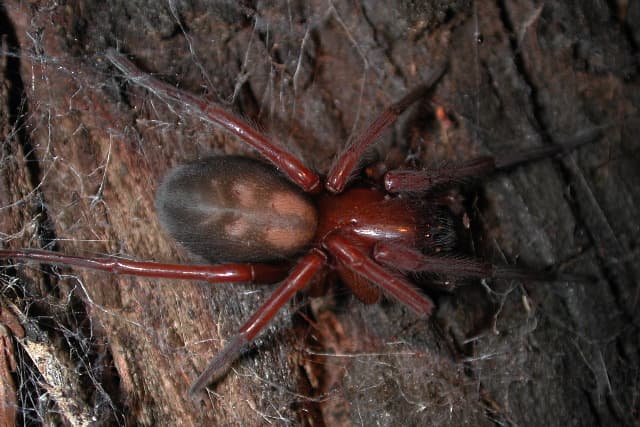
Amaurobiidae is a family of spiders characterized by their three-clawed feet and the presence of either a cribellum or its absence. These spiders are typically found in crevices, hollows, or under stones, where they construct retreats and are often captured in pitfall traps. While widespread, they can be challenging to distinguish from closely related spider families.