
Stasimopidae
Stasimopus·Stasimopidae·Southern Africa·Dietary information for Stasimopus spiders is not provided in the text.
Stasimopus is a genus of mygalomorph spiders native to southern Africa, representing the sole genus within the Stasimopidae family. First described by Eugène Louis Simon in 1892, this genus encompasses 54 species and two subspecies, all found within this specific region.
Key Facts
- ›Stasimopus spiders are mygalomorphs found exclusively in southern Africa.
- ›The genus Stasimopus is the only member of the Stasimopidae family.
- ›There are currently 54 recognized species and two subspecies within the Stasimopus genus.
- ›The genus was first formally described by Eugène Louis Simon in 1892.
- ›Research has identified cryptic diversity, leading to the description of new species within the genus.

Southern Africa
- Mygalomorph Classification Suggests Potential Burrowing Or Trapdoor Construction Behaviors.
About Stasimopidae
Stasimopus
Stasimopus is a genus of mygalomorph spiders that are exclusively found in southern Africa. It stands as the sole genus within the family Stasimopidae, making it a unique taxonomic entity in the study of spiders.
Taxonomy and Discovery
The genus Stasimopus was first formally described by the renowned arachnologist Eugène Louis Simon in 1892. This foundational work established the genus and its distinct characteristics within the broader classification of spiders. Since its initial description, further scientific research has continued to expand our understanding of its diversity.
Species Diversity
As of contemporary scientific records, the Stasimopus genus comprises a significant number of species, totaling 54. In addition to these species, there are also two recognized subspecies that further delineate the variations within this group. All these taxa are native to the southern African region.
Research and Rediscovery
Ongoing scientific investigations have revealed cryptic diversity within the Stasimopus genus, leading to the identification and description of new species. For instance, studies have re-examined and redescribed existing species, such as Stasimopus robertsi, contributing to a more accurate and comprehensive catalog of the genus's members.
Habitat and Distribution
The natural range of all Stasimopus spiders is confined to southern Africa. This specific geographic distribution highlights the unique ecological niche these spiders occupy within the continent's diverse ecosystems.
Source: Wikipedia ↗
Frequently Asked Questions
What is Stasimopus?
Stasimopus is a genus of mygalomorph spiders. They are characterized by their origin in southern Africa and are the only genus within their taxonomic family, Stasimopidae.
Where are Stasimopus spiders found?
All known species and subspecies of Stasimopus spiders are geographically distributed throughout southern Africa. This region is their natural habitat.
How many species are in the Stasimopus genus?
As of recent scientific records, the Stasimopus genus includes 54 distinct species. Additionally, there are two recognized subspecies within this genus.
When was the Stasimopus genus first described?
The Stasimopus genus was first described and formally recognized by Eugène Louis Simon in the year 1892. This classification established its place in arachnological studies.
What is unique about the Stasimopidae family?
The Stasimopidae family is unique in that it contains only one genus, Stasimopus. This makes Stasimopus the sole representative of its family in the spider world.
Related Spider species
Actinopodidae
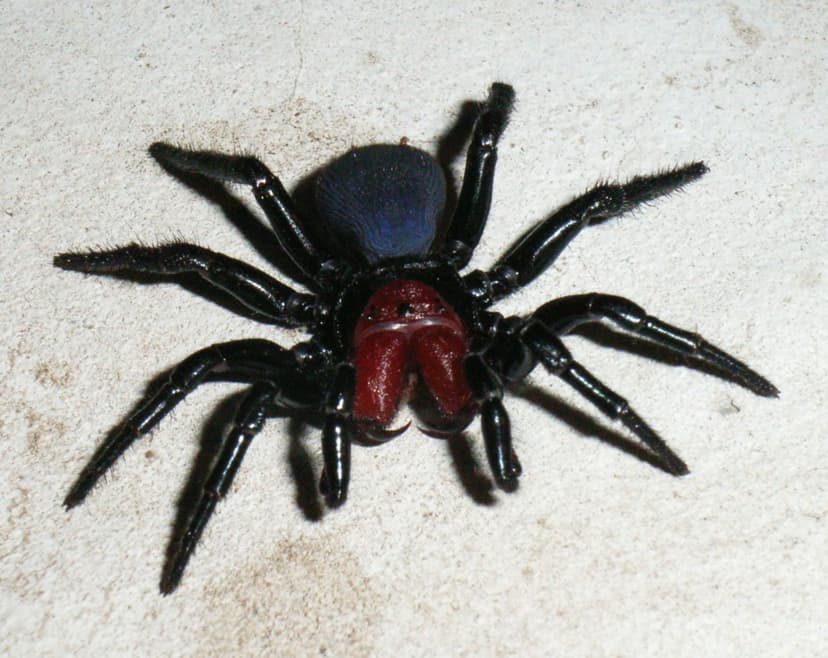
Actinopodidae is a family of mygalomorph spiders native to mainland Australia and South America, typically inhabiting open forests. This family includes the mouse spiders (Missulena species), which are notable for their medically significant and potentially dangerous bites.

Agelenidae
The Agelenidae, commonly known as funnel weavers, are a large family of spiders found globally. They are distinguished by their fast running speeds and the construction of flat sheet webs with a funnel-shaped retreat. While most species are solitary, some African species exhibit parasocial behavior, living in communal webs.
Amaurobiidae
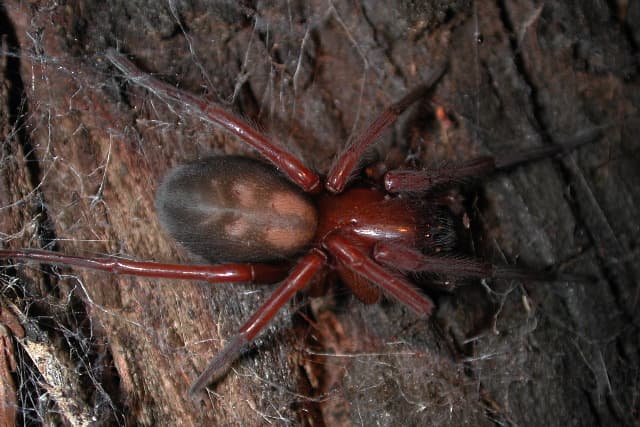
Amaurobiidae is a family of spiders characterized by their three-clawed feet and the presence of either a cribellum or its absence. These spiders are typically found in crevices, hollows, or under stones, where they construct retreats and are often captured in pitfall traps. While widespread, they can be challenging to distinguish from closely related spider families.