
Symphytognathidae
Symphytognathidae·Symphytognathidae·Tropical regions, primarily in the New World tropics and Oceania. Some species have adapted to habitats in Africa and Asia.·Generally small in size, with some species like Patu digua measuring as little as 0.37 millimeters in body length, making them among the smallest spiders in the world.
Symphytognathidae is a family of small spiders with 90 described species across eight genera, primarily inhabiting the tropical regions of the New World and Oceania. A notable characteristic of this family is the extreme smallness of some of its members, with species like Patu digua being among the world's smallest spiders.
Key Facts
- ›Comprises 90 described species in eight genera.
- ›Primarily found in the tropics of Central and South America and Oceania.
- ›Some species, like Patu digua, are among the smallest spiders globally.
- ›Spiders in this family can have four, six, or eight eyes.
- ›The opisthosoma (abdomen) is covered in long hairs.
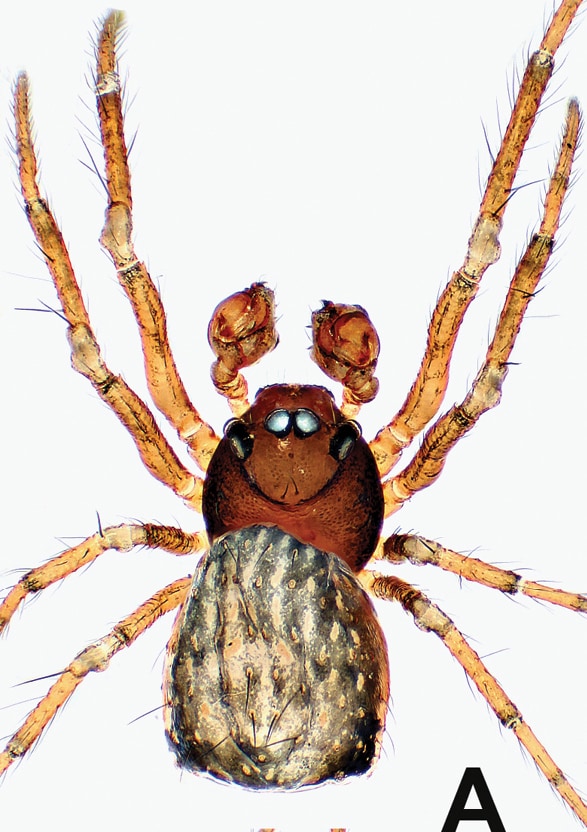
Central America, South America, Oceania, Africa, Japan, Southeast Asia
Opisthosoma Covered In Long Hairs, Variable Eye Count
About Symphytognathidae
The Symphytognathidae are a family of spiders characterized by their small size and diverse geographic distribution. This family encompasses 90 described species organized into eight genera, with the majority found in the tropical regions of the New World, specifically Central and South America, as well as Oceania.
Distribution and Habitat
While the primary range for Symphytognathidae is the tropical Americas and Oceania, some species exhibit a wider distribution. Exceptions include certain members of the genus Anapistula, with A. benoiti and A. caecula found in Africa, A. ishikawai in Japan, and A. jerai in Southeast Asia. Additionally, Symphytognatha imbulunga has also been recorded in Africa, indicating a broader ecological adaptability than initially suggested by their core distribution.
Morphology and Size
Spiders within the Symphytognathidae family are generally small. A notable aspect of their morphology is the variation in eye count, with individuals possessing four, six, or eight eyes. The opisthosoma, or abdomen, of these spiders is covered in long hairs. The extreme miniaturization found in this family is exemplified by Patu digua, which is recognized as one of the smallest spiders in the world, measuring a mere 0.37 millimeters in body size.
Source: Wikipedia ↗
Frequently Asked Questions
Where are Symphytognathidae spiders typically found?
The majority of Symphytognathidae spiders inhabit the tropical regions of the New World, including Central and South America, as well as Oceania. However, some exceptions exist, with certain species found in Africa and Southeast Asia.
What is the size of Symphytognathidae spiders?
These spiders are generally small in size. One species, Patu digua, is considered one of the smallest spiders in the world, with a body size of only 0.37 millimeters.
How many eyes do Symphytognathidae spiders have?
Spiders belonging to the Symphytognathidae family can possess varying numbers of eyes, ranging from four to six or even eight eyes.
Are there any Symphytognathidae species found outside the tropics?
Yes, while most species are tropical, some exceptions have been documented. For instance, certain Anapistula species are found in Africa and Japan, and Symphytognatha imbulunga is also present in Africa.
Related Spider species
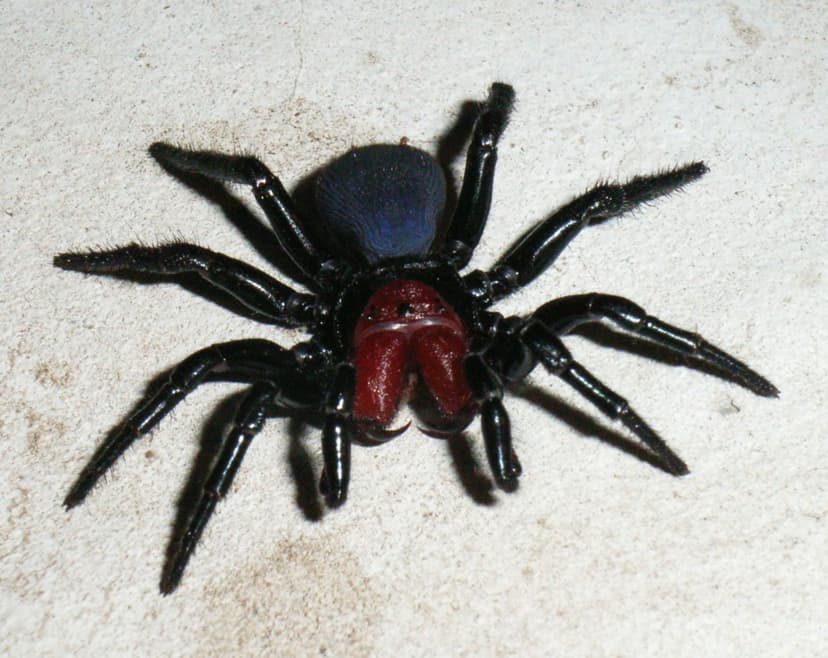
Actinopodidae
Actinopodidae is a family of mygalomorph spiders native to mainland Australia and South America, typically inhabiting open forests. This family includes the mouse spiders (Missulena species), which are notable for their medically significant and potentially dangerous bites.

Agelenidae
The Agelenidae, commonly known as funnel weavers, are a large family of spiders found globally. They are distinguished by their fast running speeds and the construction of flat sheet webs with a funnel-shaped retreat. While most species are solitary, some African species exhibit parasocial behavior, living in communal webs.
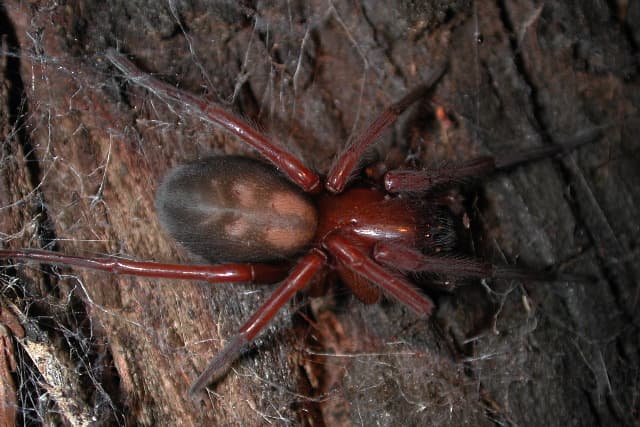
Amaurobiidae
Amaurobiidae is a family of spiders characterized by their three-clawed feet and the presence of either a cribellum or its absence. These spiders are typically found in crevices, hollows, or under stones, where they construct retreats and are often captured in pitfall traps. While widespread, they can be challenging to distinguish from closely related spider families.