
Brookfield Zoo Chicago
Brookfield Zoo Chicago, formerly known as Brookfield Zoo, is a prominent zoological park located in Brookfield, Illinois, and is the largest zoo in the Chicago metropolitan area. It is recognized internationally for its innovative use of moats and ditches instead of traditional cages and for being the first U.S. zoo to exhibit giant pandas. The zoo plays a significant role in animal conservation and public education.
Key Facts
- ›Located in Brookfield, Illinois, and owned by the Forest Preserve District of Cook County.
- ›Covers an area of 216 acres.
- ›Houses approximately 511 species of animals.
- ›Opened on July 1, 1934.
- ›Was the first zoo in the U.S. to exhibit giant pandas.
- ›Known for pioneering indoor tropical rainforest simulations and dolphin exhibits.
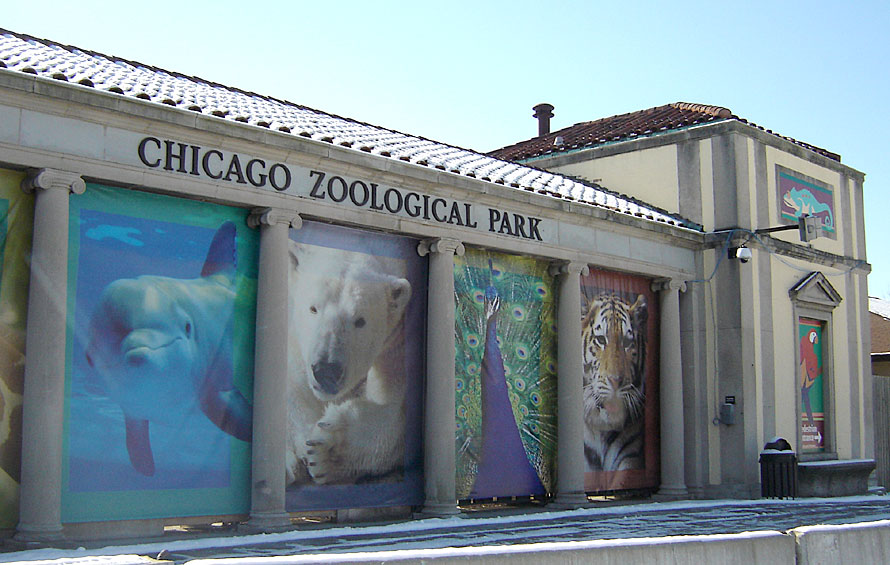
Tropic World, Great Bear Wilderness, the Living Coast, Seven Seas, Hamill Family Play Zoo
Su Lin, Binti Jua, Cookie, Ziggy
Punta San Juan, Peru Conservation Project
About Brookfield Zoo Chicago
Brookfield Zoo Chicago, formerly known as Brookfield Zoo and also referred to as the Chicago Zoological Park, is a significant zoological institution located in Brookfield, Illinois. It stands as the largest zoo within the Chicago metropolitan area and is managed by the Chicago Zoological Society. The zoo is distinguished by its expansive grounds, covering 216 acres, and its diverse collection, which features approximately 511 species of animals.
History and Development
The origins of Brookfield Zoo trace back to 1919 when Edith Rockefeller McCormick donated land for the development of a zoological garden. This led to the establishment of the Chicago Zoological Society in 1921. Construction commenced in 1926, with the zoo officially opening on July 1, 1934. Early in its history, the zoo garnered international acclaim for its innovative approach to animal enclosures, utilizing moats and ditches in lieu of traditional cages. This design philosophy was maintained throughout its development, with significant additions and improvements occurring across decades.
Key milestones in the zoo's history include the opening of the first fully indoor bottlenose dolphin exhibit in the United States in the 1960s, and the introduction of the first fully indoor tropical rainforest simulation exhibit, Tropic World, in the 1980s. Tropic World was notably the largest indoor zoo exhibit in the world at the time of its completion in 1984. The zoo has also been recognized for being the first in the U.S. to exhibit giant pandas, with one notable individual, Su Lin, now taxidermied and displayed at Chicago's Field Museum of Natural History.
Notable Features and Exhibits
Brookfield Zoo Chicago has consistently evolved, incorporating modern exhibit designs that focus on immersive, ecosystem-based habitats. Recent developments include the Great Bear Wilderness exhibit, opened in 2010, and the reconfiguration of existing buildings into specialized ecosystem exhibits. The zoo also features the Hamill Family Play Zoo, an interactive butterfly tent, and the largest non-restored, hand-carved wooden carousel in the United States. In 2024, the zoo celebrated its 90th anniversary with the temporary installation of a ferris wheel.
Past and present notable animals associated with the zoo include Binti Jua, a western lowland gorilla who gained fame for her gentle interaction with a child who fell into her enclosure, and Cookie, a Major Mitchell's cockatoo who was part of the collection since its opening until its death in 2016. Ziggy, an Asian elephant, is also noted for his long tenure at the zoo.
Conservation and Community Impact
The zoo is actively engaged in conservation efforts, notably through its project in Punta San Juan, Peru. This initiative focuses on researching and protecting marine wildlife, including sea lions and Humboldt penguins. The Chicago Zoological Society also works to educate younger generations through beach clean-up programs in Peru. Economically, Brookfield Zoo Chicago is a significant contributor, generating substantial revenue through admissions, memberships, and contributions, and employing a large number of volunteers and staff, attracting around two million visitors annually. The zoo has also faced closures due to severe weather events and the COVID-19 pandemic, demonstrating its resilience and adaptability.
Source: Wikipedia ↗
Frequently Asked Questions
When did Brookfield Zoo Chicago open?
Brookfield Zoo Chicago opened its gates to the public on July 1, 1934. By the end of September of that year, over one million people had already visited the new zoological park.
What is unique about Brookfield Zoo's exhibit design?
Brookfield Zoo gained international recognition shortly after opening for its innovative use of moats and ditches instead of traditional cages for animal enclosures. This design aimed to provide a more naturalistic and less confining environment for the animals.
Has Brookfield Zoo Chicago ever exhibited giant pandas?
Yes, Brookfield Zoo was the first zoo in the United States to exhibit giant pandas. One of these pandas, named Su Lin, has since been taxidermied and is on display at Chicago's Field Museum of Natural History.
What notable indoor exhibits has Brookfield Zoo Chicago featured?
In 1960, the zoo opened the first fully indoor bottlenose dolphin exhibit in the United States. In the 1980s, it introduced the first fully indoor tropical rainforest simulation exhibit, which was the world's largest indoor zoo exhibit at that time.
What is the significance of Binti Jua at Brookfield Zoo?
Binti Jua is a female western lowland gorilla who achieved worldwide attention in 1996. She tended to a three-year-old child who had fallen into her enclosure until zoo staff were able to safely rescue the boy.
What conservation efforts does Brookfield Zoo Chicago undertake?
Brookfield Zoo Chicago has a conservation project in Punta San Juan, Peru, focusing on marine wildlife such as South American sea lions and endangered Humboldt penguins. This project involves research, species observation, and population monitoring, as well as beach clean-up initiatives with local children.
Related Zoos

Audubon Zoo
Audubon Zoo, located in New Orleans, Louisiana, is a significant zoological park and a part of the Audubon Nature Institute. It is renowned for its diverse animal collections, engaging exhibits like the "Jaguar Jungle" and "African Savanna," and its historical presence dating back to the 1884 World's Fair. The zoo plays a vital role in conservation and education, serving as a popular destination for both locals and tourists.

Brevard Zoo
Brevard Zoo is a 75-acre nonprofit zoological organization located in Melbourne, Florida, accredited by the Association of Zoos and Aquariums. It is home to over 900 animals representing more than 170 species and is known for its unique animal feeding experiences, kayak tours, and aerial ropes course, offering some attractions not found elsewhere in the country.
Alaska Zoo
The Alaska Zoo, located in Anchorage, Alaska, is a popular attraction focused on showcasing animals native to the state alongside exotic species. It plays a significant role in education, research, wildlife conservation, and animal rehabilitation, often housing orphaned or injured animals.