
Phoenix Zoo
The Phoenix Zoo, established in 1962, is the largest privately owned nonprofit zoo in the United States. Situated on 125 acres in Phoenix, Arizona, it is dedicated to animal conservation and education, housing over 1,400 animals across four themed trails.
Key Facts
- ›Founded in 1962 by Robert Maytag.
- ›Spans 125 acres in Phoenix, Arizona.
- ›Houses over 1,400 animals.
- ›Divided into four themed areas: Arizona Trail, Africa Trail, Tropics Trail, and Children's Trail.
- ›Operates as a privately owned nonprofit organization.
- ›Has a significant focus on conservation, including reintroduction programs.

Arizona Trail, Africa Trail, Tropics Trail, Children's Trail, Stingray Bay, Monkey Village, Land of the Dragons, Isle of the Tiger, Forest of Uco, Harmony Farms
Arabian Oryx, California Condor, Ruby the Elephant, Komodo Dragons, Orangutans
Operation Oryx, Species Survival Plan For 29 Species, Captive Breeding For Reintroduction, Sanctuary For Endangered Or Unwanted Animals, Rescue and Rehabilitation
About Phoenix Zoo
The Phoenix Zoo, established in 1962, is a significant zoological institution located in Phoenix, Arizona. It holds the distinction of being the largest privately owned nonprofit zoo in the United States. Founded by Robert Maytag, the zoo operates on a sprawling 125-acre site within the Papago Park area and has been recognized as a Phoenix Point of Pride.
History and Development
The concept for the Phoenix Zoo originated with Robert Maytag, who formed the Arizona Zoological Society with the goal of establishing a zoo in Phoenix. Although Maytag passed away shortly before the zoo's opening, it commenced operations as scheduled on November 21, 1962. Initially named the "Maytag Zoo," it was renamed the "Phoenix Zoo" in 1963 to foster a stronger community connection. The zoo's location was formerly a fish hatchery built during the 1930s as a Works Progress Administration project.
Throughout its history, the Phoenix Zoo has experienced substantial growth and development. The 1970s saw the addition of numerous exhibits, landscaping, and visitor amenities. The 1980s marked further expansion with the creation of African Savanna habitats, a children's zoo, and a new entrance complex. A significant renovation during this period involved dividing the zoo into four themed zones, or "trails." The zoo continued to expand in later decades, opening Harmony Farms in 1998, Desert Lives in 2000, Monkey Village in 2004, and Stingray Bay in 2006. Notable animal additions have included Komodo dragons and orangutans as part of capital campaigns.
Themed Areas and Attractions
The Phoenix Zoo is organized into four primary themed areas designed to immerse visitors in diverse ecosystems and showcase their native wildlife:
- Arizona Trail: This area highlights the flora and fauna indigenous to Arizona, featuring species like jaguars, cougars, coyotes, and various desert plants.
- Africa Trail: Visitors can explore a wide array of popular African animals, including lions, giraffes, cheetahs, zebras, and rhinos. The Desert Lives trail, branching off this section, features bighorn sheep and Arabian oryx.
- Tropics Trail: This section is divided into two parts, featuring rainforest inhabitants. Attractions include orangutans, Komodo dragons, jaguars, Sumatran tigers, and a lush rainforest landscape called the Forest of Uco, which houses animals like the Andean bear and various tropical birds.
- Children's Trail: Designed for younger visitors, this trail offers close encounters with smaller animals and includes Harmony Farm, a petting zoo, and demonstrations on farming.
Beyond the main trails, the zoo offers special attractions such as Stingray Bay, a touch tank with rays and sharks, and a carousel. The Safari Train provides guided tours, and camel rides are also available. The annual ZooLights event in December illuminates the zoo with festive displays.
Conservation and Sanctuary
Conservation has been a core focus of the Phoenix Zoo since its inception. The zoo has been instrumental in reintroduction programs, most notably for the Arabian oryx. In its early years, it hosted "Operation Oryx," a breeding program that helped save the species from extinction in the wild. The zoo participates in the Association of Zoos and Aquariums' Species Survival Plan (SSP) for 29 species, engaging in husbandry and research.
The zoo also serves as a sanctuary for animals that require specialized care, including those retired from breeding programs, those with behavioral issues, or those undergoing rehabilitation. Sanctuary exhibits prioritize the comfort and well-being of the animals. The zoo has provided critical care and treatment for endangered species, such as lead poisoning treatment for California condors from the Grand Canyon area.
Notable Figures and Events
A particularly well-known resident was Ruby, an Asian elephant who gained international fame for her paintings, with sales supporting the zoo. Ruby's life ended tragically in 1997 due to complications during surgery. The zoo has also undertaken significant fundraising efforts for infrastructure updates and exhibit renovations, including receiving public funds for the first time in its history through a municipal bond election in 2006.
Source: Wikipedia ↗
Frequently Asked Questions
When did the Phoenix Zoo open?
The Phoenix Zoo opened on November 21, 1962. It was originally named the 'Maytag Zoo' after its founder, Robert Maytag, but was renamed the 'Phoenix Zoo' the following year.
What is the size of the Phoenix Zoo?
The zoo operates on 125 acres of land located in the Papago Park area of Phoenix. It features 2.5 miles of walking trails for visitors.
What are the main themed areas at the Phoenix Zoo?
The Phoenix Zoo is divided into four main themed areas, or 'trails.' These are the Arizona Trail, showcasing the flora and fauna of the American Southwest; the Africa Trail, featuring animals from Africa; the Tropics Trail, home to residents of rainforests; and the Children's Trail, which includes a petting zoo.
What conservation efforts are undertaken by the Phoenix Zoo?
Since its opening, the zoo has been conservation-minded. It has participated in captive breeding for reintroduction programs, such as for the Arabian oryx and black-footed ferret. It also provides sanctuary for endangered, unwanted, or rehabilitating animals and treats California condors for lead poisoning.
Does the Phoenix Zoo have any special attractions?
Yes, the zoo offers several special attractions. These include Stingray Bay, where visitors can touch rays; a carousel; camel rides; a Giraffe Encounter; and the annual ZooLights holiday event. A Safari Train also provides guided tours.
What was significant about Ruby the elephant?
Ruby was an Asian elephant at the Phoenix Zoo famous for her paintings, which raised over $200,000 for the zoo. Sadly, Ruby had to be euthanized in 1997 due to complications from surgery after her uterus ruptured during a difficult pregnancy.
Related Zoos
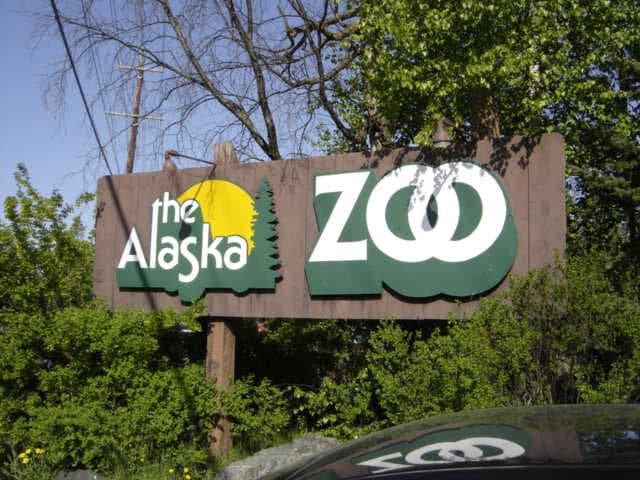
Alaska Zoo
The Alaska Zoo, located in Anchorage, Alaska, is a popular attraction focused on showcasing animals native to the state alongside exotic species. It plays a significant role in education, research, wildlife conservation, and animal rehabilitation, often housing orphaned or injured animals.

Audubon Zoo
Audubon Zoo, located in New Orleans, Louisiana, is a significant zoological park and a part of the Audubon Nature Institute. It is renowned for its diverse animal collections, engaging exhibits like the "Jaguar Jungle" and "African Savanna," and its historical presence dating back to the 1884 World's Fair. The zoo plays a vital role in conservation and education, serving as a popular destination for both locals and tourists.
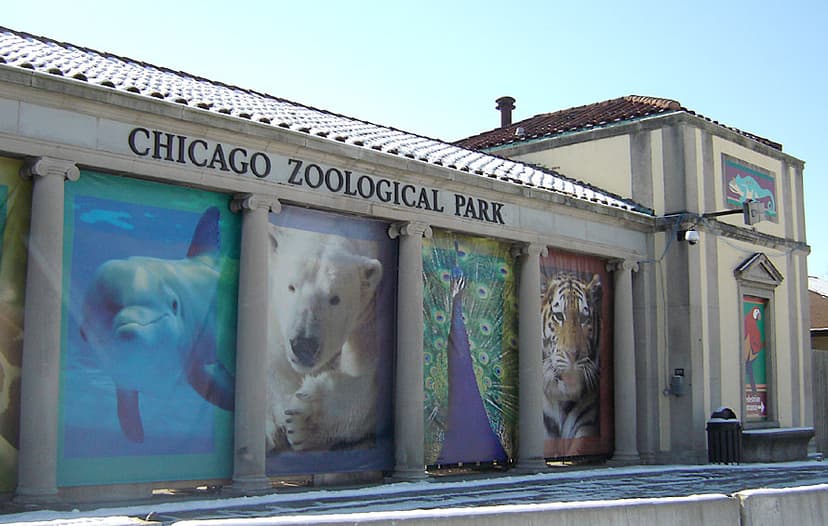
Brookfield Zoo Chicago
Brookfield Zoo Chicago, formerly known as Brookfield Zoo, is a prominent zoological park located in Brookfield, Illinois, and is the largest zoo in the Chicago metropolitan area. It is recognized internationally for its innovative use of moats and ditches instead of traditional cages and for being the first U.S. zoo to exhibit giant pandas. The zoo plays a significant role in animal conservation and public education.