
Artis
Natura Artis Magistra, commonly known as Artis, is a historic zoo and botanical garden located in Amsterdam, Netherlands. Founded in 1838, it is the oldest zoo in the Netherlands and one of the oldest operating zoos globally. Artis is more than just a zoological collection; it also features an aquarium, planetarium, arboretum, and museums, making it a significant cultural and educational institution in the city.
Key Facts
- ›Founded in 1838 by Gerard Westerman, J.W.H. Werlemann, and J.J. Wijsmuller.
- ›Located in the Plantage neighborhood of Amsterdam, Netherlands.
- ›Incorporates an aquarium, planetarium, arboretum, Micropia, and the Groote Museum.
- ›Features 27 historically significant buildings, bridges, and ponds, many still used for animal enclosures.
- ›The last known quagga died at Artis on August 12, 1883.
- ›Houses a library with 20,000 books, 3,000 manuscripts, and 80,000 animal prints.
Aquarium, Planetarium, Micropia, Groote Museum
Quagga
About Artis
Natura Artis Magistra
Natura Artis Magistra, universally known as Artis, is a prominent zoo and botanical garden situated in the heart of Amsterdam, Netherlands. Established in 1838, it holds the distinction of being the oldest zoo in the Netherlands and ranks as the fifth oldest operating zoo worldwide. Artis is a multifaceted institution, extending its offerings beyond traditional zoological displays to include a significant aquarium, a planetarium, an arboretum, and two museums: Micropia, dedicated to microbes, and the Groote Museum.
History and Development
The zoo was founded by three zoology enthusiasts: Gerard Westerman, J.W.H. Werlemann, and J.J. Wijsmuller. Initially, access was restricted to members, but by 1851, it began opening its doors to the public during September. By 1920, Artis became accessible to the public year-round, though September continues to be a discount month. The core property, formerly the "Middenhof" estate, was acquired in 1838 in the Plantage area, which was then a sparsely populated district on the outskirts of Amsterdam. From its inception, Artis exhibited both live animals and mounted specimens.
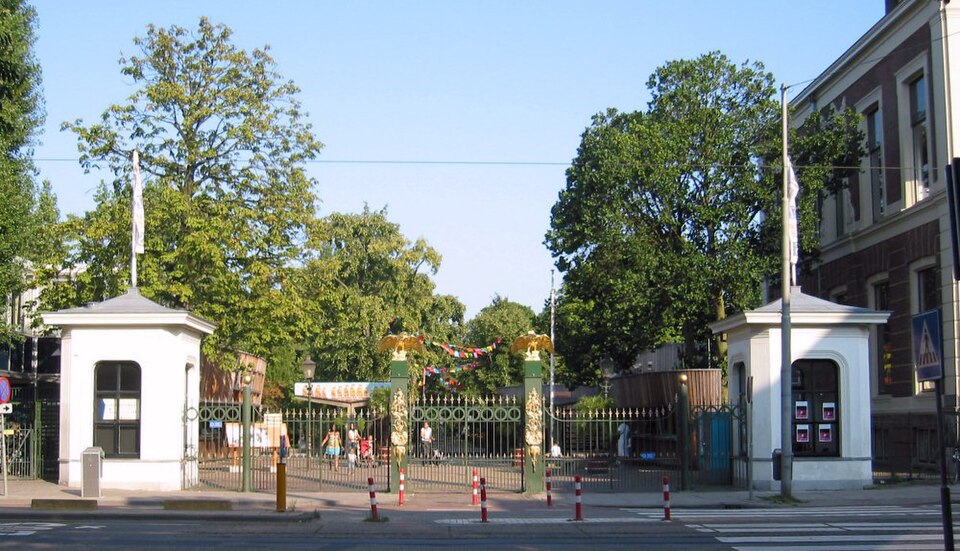
The zoo's common name, Artis, arose from the inscription above its three main gates: 'Natura', 'Artis', and 'Magistra'. As the 'Artis' gate was often the primary entrance, the name became widely adopted, eclipsing the full official title. The zoo has played a role in natural history, notably as the location where the last quagga in captivity died on August 12, 1883. For many years, Artis also housed an extensive ethnographic collection in its Ethnographic Museum, which was transferred to the nearby Tropenmuseum in 1921. In recent years, Artis has focused on improving animal living conditions, while its engagement with its colonial past in educational contexts has been more limited.
Architectural and Collection Significance
Artis boasts 27 historically significant listed buildings, bridges, and ponds, many of which remain in use as animal enclosures. The aquarium, built in 1882, stands on land leased from the city with the stipulation that only a museum could be erected there. The Heimans-diorama, dating from 1926, is situated behind the aquarium. The zoo's library, established in 1867, houses extensive collections on the history of zoology and botany, including the libraries of the Zoological Museum Amsterdam and the Amsterdam Botanical Garden, along with the archives of notable zoologists and botanists. It contains approximately 20,000 books, 3,000 manuscripts, and 80,000 animal prints, forming part of the special collections of the University of Amsterdam. Structures such as the wolf house and the Masman Garden House predate the zoo's establishment and are integrated into the site.
Source: Wikipedia ↗
Frequently Asked Questions
What is Artis?
Artis is a zoo and botanical garden in Amsterdam, Netherlands, officially named Natura Artis Magistra. It is the oldest zoo in the Netherlands and the fifth oldest operating zoo in the world.
When was Artis founded?
Artis was founded in 1838 by three zoology enthusiasts: Gerard Westerman, J.W.H. Werlemann, and J.J. Wijsmuller.
What is Artis known for besides animals?
In addition to its zoological collection, Artis also contains an aquarium, a planetarium, an arboretum, Micropia, and the Groote Museum. It also has 27 historically significant buildings.
Why is it called Artis?
The zoo is commonly referred to as Artis because its three main gates bear the words 'Natura', 'Artis', and 'Magistra'. The middle gate, labeled 'Artis', was most frequently used, leading to the zoo becoming widely known by this shortened name.
What notable animal died at Artis?
The last known quagga in captivity died at Artis on August 12, 1883. At the time, all zebras were referred to as quaggas, and the significance of this particular animal's death was not realized until years later.
Does Artis have historical buildings?
Yes, Artis features 27 historically significant listed buildings, bridges, and ponds. Many of these structures are still in use as animal enclosures.
Related Zoos

Diergaarde Blijdorp
Diergaarde Blijdorp, officially Rotterdam Zoo, is one of the oldest zoos in the Netherlands, established in 1857. It is a significant zoological institution, operating under the Stichting Koninklijke Rotterdamse Diergaarde and divided into distinct zoogeographic regions. The zoo is notable for its extensive species collection, its historical relocation and architectural design, and its recent expansion including the Oceanium aquarium.

Ouwehands Dierenpark
Ouwehands Dierenpark is a zoo located in Rhenen, in the Dutch province of Utrecht. Originally established as a small farm by Cor Ouwehand, it evolved into a zoo in the 1930s and has since grown into a significant attraction, particularly noted for its introduction of giant pandas.
Burgers' Zoo
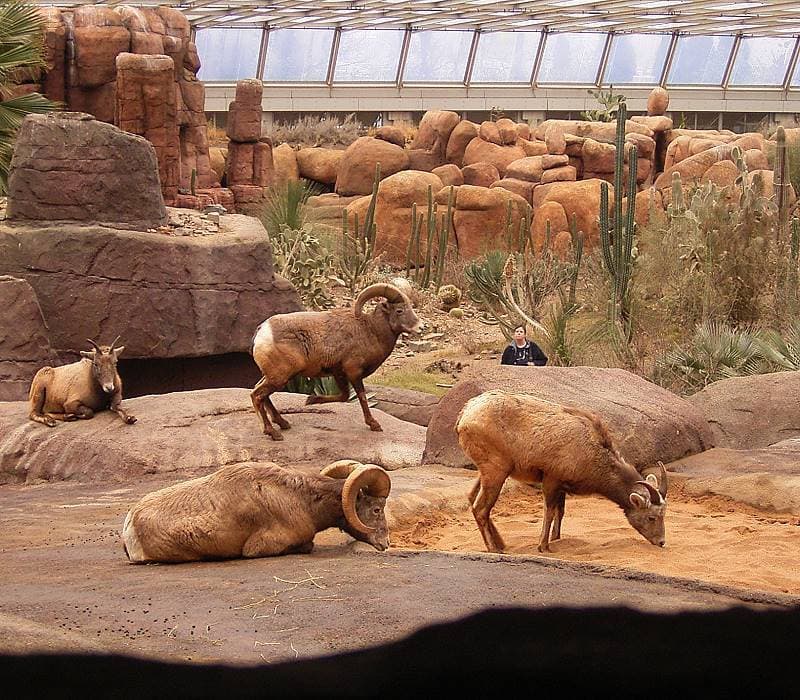
Royal Burgers' Zoo, located in Arnhem, Netherlands, is a prominent 45-hectare zoological park established in 1913. It is distinguished by its "ecodisplays," immersive, themed habitats that replicate diverse ecosystems from tropical rainforests to deserts and oceans, making it a significant destination for visitors and a leader in animal welfare and conservation.