
Diergaarde Blijdorp
Diergaarde Blijdorp, officially Rotterdam Zoo, is one of the oldest zoos in the Netherlands, established in 1857. It is a significant zoological institution, operating under the Stichting Koninklijke Rotterdamse Diergaarde and divided into distinct zoogeographic regions. The zoo is notable for its extensive species collection, its historical relocation and architectural design, and its recent expansion including the Oceanium aquarium.
Key Facts
- ›Founded on May 18, 1857, as 'Rotterdamsche Diergaarde'.
- ›Covers an area of 34 hectares (84 acres), with a significant expansion in 2001.
- ›Houses approximately 562 species of animals.
- ›Features the Oceanium, a large aquarium that opened in 2001.
- ›Declared a rijksmonument (national monument) in 2007.
- ›Participates in about 70 breeding programs and studbooks.

Oceanium
Bokito
International Breeding Program For Red Pandas, Eep For Asian Elephant, Eep For Komodo Dragon, Eep For Red-Crowned Crane, Eep For Siberian Crane, Eep For Visayan Warty Pig, Eep For Egyptian Tortoise, Esb For Crowned Pigeons
About Diergaarde Blijdorp
Diergaarde Blijdorp, officially Rotterdam Zoo, is a historic zoological institution located in the northwestern part of Rotterdam, Netherlands. Established on May 18, 1857, it is one of the oldest zoos in the country. Operated by the Stichting Koninklijke Rotterdamse Diergaarde (Royal Rotterdam Zoo Foundation), the zoo has undergone significant transformations, including a major relocation and expansion.
History and Development
The origins of Diergaarde Blijdorp trace back to 1855 with a garden for pheasants and waterfowl. The zoo officially opened as 'Rotterdamsche Diergaarde' in 1857, with Henri Martin serving as its first director. The organization underwent a reorganisation in 1932, leading to a decision to move the zoo to a new, larger site in the Blijdorp district. This relocation occurred prior to the extensive bombing of Rotterdam during World War II. The new zoo, designed by architect Sybold van Ravesteyn, opened at its current location on December 7, 1940. In 2001, the zoo experienced a substantial expansion, nearly doubling its size with the addition of a new western section that includes the prominent Oceanium aquarium.
Key Features and Collections
Diergaarde Blijdorp is organized into several zoogeographic regions, covering 34 hectares (84 acres) and housing approximately 562 species. Among its notable features is the Oceanium, a large aquarium complex that opened in 2001. The zoo also maintains a botanical garden and manages the Dutch National Bromelia Collection and the Dutch National Primula Collection. In recognition of its historical and architectural significance, the zoo was declared a rijksmonument (national monument) in 2007.
Conservation and Breeding Programs
Conservation is a significant focus for Diergaarde Blijdorp, which actively participates in around 70 breeding programs and studbooks. The zoo plays a coordinating role in several international breeding programs, including those for red pandas, Asian elephants, Komodo dragons, red-crowned cranes, Siberian cranes, Visayan warty pigs, and Egyptian tortoises. It also manages the European Studbook for crowned pigeons.
Notable Events and Public Profile
Diergaarde Blijdorp has occasionally garnered international attention. In 2007, a silverback gorilla named Bokito escaped his enclosure, leading to a widely reported incident. More recently, in 2014, a giraffe's interaction with a former zoo cleaner battling terminal brain cancer went viral worldwide. In 2019, a conservation center was inaugurated, with Lesser Antillean iguanas being among the first animals housed there.
Zoological Affiliations
The zoo is a member of the Dutch Zoo Federation and the European Association of Zoos and Aquaria (EAZA), underscoring its commitment to international zoological standards and cooperation.
Source: Wikipedia ↗
Frequently Asked Questions
When was Diergaarde Blijdorp founded?
Diergaarde Blijdorp was established on May 18, 1857, as the 'Rotterdamsche Diergaarde'. It originated from a pheasant and waterfowl garden set up in 1855.
What is the size of Diergaarde Blijdorp?
The zoo spans 34 hectares, which is equivalent to 84 acres. A significant expansion in 2001 nearly doubled its size.
What are some notable features of Diergaarde Blijdorp?
Notable features include its historical significance as one of the oldest zoos in the Netherlands, its division into zoogeographic regions, and the modern Oceanium aquarium. The zoo's design by Sybold van Ravesteyn is also a key aspect.
Does Diergaarde Blijdorp have an aquarium?
Yes, Diergaarde Blijdorp features the Oceanium, a large aquarium that opened in 2001 as part of a major expansion of the zoo.
What conservation efforts does Diergaarde Blijdorp engage in?
The zoo actively participates in approximately 70 breeding programs and studbooks. It also coordinates several international breeding programs for species such as red pandas and Asian elephants.
What is the significance of the Oceanium?
The Oceanium is a major aquarium within Diergaarde Blijdorp, opened in 2001 as part of a significant expansion. It is a central attraction and represents a substantial project for the zoo.
Related Zoos
Artis
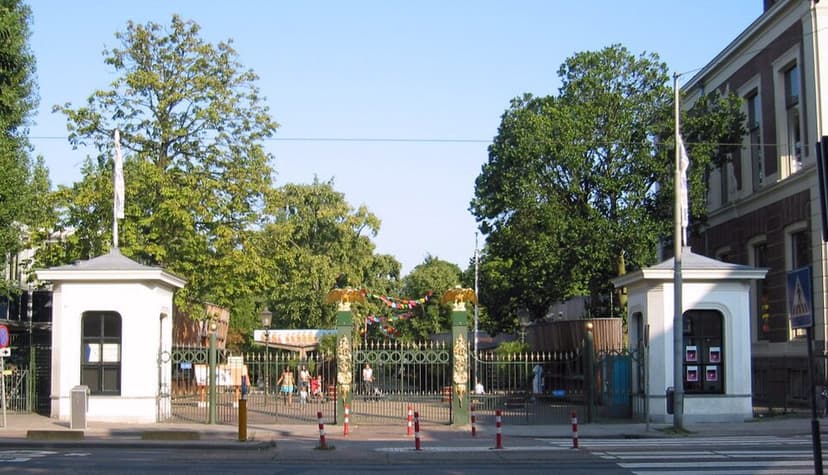
Natura Artis Magistra, commonly known as Artis, is a historic zoo and botanical garden located in Amsterdam, Netherlands. Founded in 1838, it is the oldest zoo in the Netherlands and one of the oldest operating zoos globally. Artis is more than just a zoological collection; it also features an aquarium, planetarium, arboretum, and museums, making it a significant cultural and educational institution in the city.

Ouwehands Dierenpark
Ouwehands Dierenpark is a zoo located in Rhenen, in the Dutch province of Utrecht. Originally established as a small farm by Cor Ouwehand, it evolved into a zoo in the 1930s and has since grown into a significant attraction, particularly noted for its introduction of giant pandas.
Burgers' Zoo
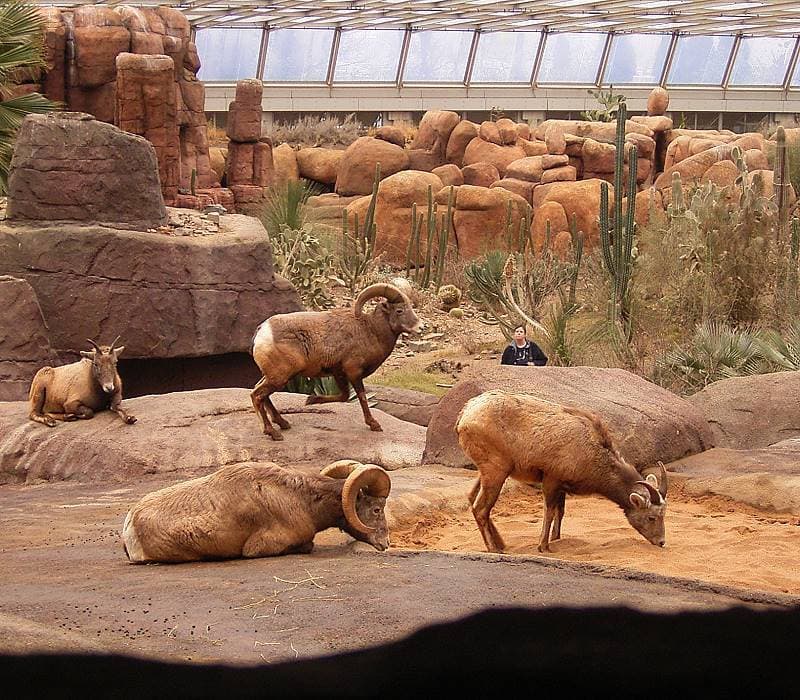
Royal Burgers' Zoo, located in Arnhem, Netherlands, is a prominent 45-hectare zoological park established in 1913. It is distinguished by its "ecodisplays," immersive, themed habitats that replicate diverse ecosystems from tropical rainforests to deserts and oceans, making it a significant destination for visitors and a leader in animal welfare and conservation.