
Bronx Zoo
Usa·Metropolitan Zoo·19th
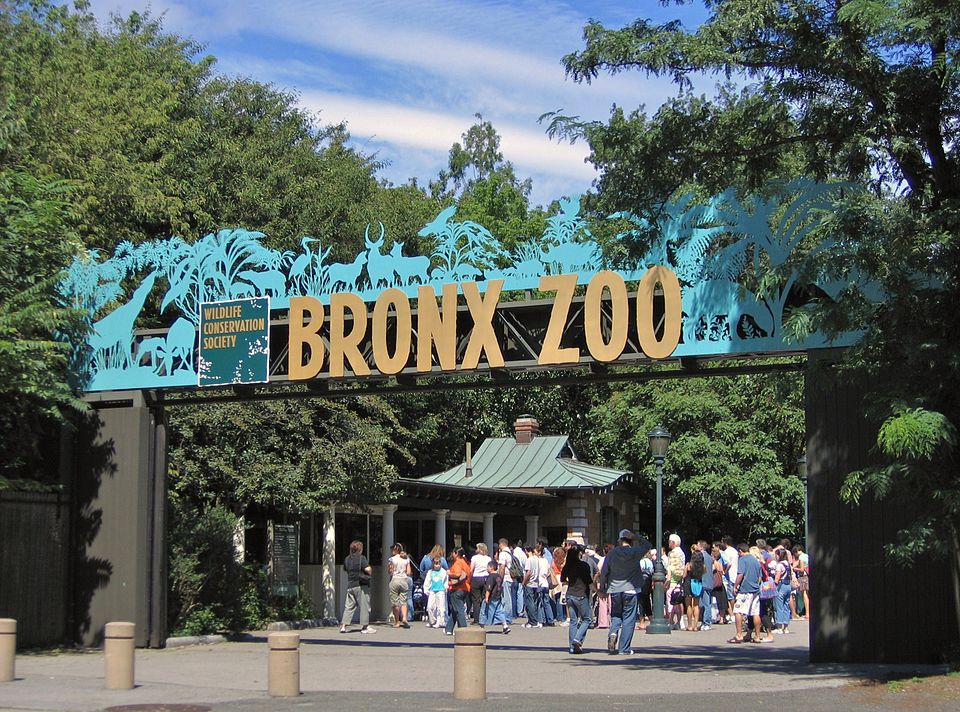
The Bronx Zoo, located in Bronx Park, New York City, is one of the largest metropolitan zoos in the United States. Established in 1899, it plays a significant role in animal conservation, notably through reintroduction programs for species like the American bison and Chinese alligators. The zoo is renowned for its diverse animal collection and award-winning exhibits, managed by the Wildlife Conservation Society.
Key Facts
- ›Covers 265 acres of park lands and naturalistic habitats.
- ›Opened on November 8, 1899, with 843 animals in 22 exhibits.
- ›Its first director was William Temple Hornaday, who served for 30 years.
- ›Manages an integrated system of four zoos and one aquarium.
- ›Accredited by the Association of Zoos and Aquariums (AZA).
- ›Has hosted notable species like the thylacine and Barbary lions.
Astor Court, African Plains, Big Bears, Gelada Reserve, Himalayan Highlands, Madagascar!, Mouse House, Aquatic Bird House
Thylacine, Barbary Lions, Sultan, James's Flamingo, Sumatran Rhinoceros, Komodo Dragons, Okapi, Shoebills, Proboscis Monkeys, Snow Leopards, Geladas, Grizzly Bears, Polar Bears
American Bison Reintroduction, Chinese Alligator Reintroduction, Sumatran Rhino Trust Breeding Program
About Bronx Zoo
The Bronx Zoo
The Bronx Zoo, situated within Bronx Park in the Bronx, New York City, stands as one of the largest and most significant metropolitan zoos in the United States. Established on November 8, 1899, by the New York Zoological Society (now the Wildlife Conservation Society), the zoo encompasses 265 acres of diverse parklands and naturalistic habitats, bisected by the Bronx River. It has consistently played a pivotal role in animal conservation since its inception, undertaking crucial reintroduction programs for species facing extinction.
History and Development
The zoo's founding was spearheaded by members of the Boone and Crockett Club, including Madison Grant and C. Grant LaFarge, who aimed to establish a zoological park, promote zoological studies, and preserve wildlife. The original Beaux-Arts buildings, designed by Heins & LaFarge and known as Astor Court, were conceived as a series of pavilions encircling a large sea lion pool. The Rainey Memorial Gates, a work by sculptor Paul Manship, were added in 1934 and later recognized on the National Register of Historic Places. The zoo was also the site of the world's first animal hospital, built in 1916.
Conservation Milestones
From its early years, the Bronx Zoo has been at the forefront of conservation. In 1905, it was instrumental in the creation of the American Bison Society, which successfully reintroduced the American bison from near extinction back into the wild. More recently, in 2007, the zoo celebrated the successful reintroduction of three Chinese alligators into their native habitat in China, marking a significant achievement in its decade-long effort to restore the species. The zoo has also been a critical center for the study and preservation of numerous other species, including being one of the few institutions globally to exhibit animals like the thylacine, Barbary lions (extinct in the wild), and proboscis monkeys outside their native regions.
Exhibits and Attractions
The Bronx Zoo is renowned for its extensive and diverse animal collection, featuring over 4,000 animals representing approximately 650 species, many of which are endangered or threatened. Its exhibits are designed to showcase animals in naturalistic settings, often arranged geographically or taxonomically. Notable exhibits include "African Plains," which pioneered the concept of viewing predators and prey in naturalistic settings separated by moats; "Himalayan Highlands," home to snow leopards and red pandas; and "Madagascar!," dedicated to the unique wildlife of the island. The zoo also features historical elements like the Rockefeller Fountain, originally from Como, Italy, and the New York Zoological Society's seal designed by Charles R. Knight.
Management and Operations
The Bronx Zoo is managed by the Wildlife Conservation Society (WCS) and is accredited by the Association of Zoos and Aquariums (AZA). Despite facing budget challenges and funding cuts in recent years, the zoo continues its mission of wildlife conservation, education, and public engagement, attracting millions of visitors annually.
Source: Wikipedia ↗
Frequently Asked Questions
When did the Bronx Zoo open?
The Bronx Zoo officially opened its doors to the public on November 8, 1899. At its opening, it featured 843 animals housed in 22 different exhibits.
What is the size of the Bronx Zoo?
The Bronx Zoo is one of the largest zoos in the United States by area, comprising 265 acres of park lands and naturalistic habitats. It is also noted as the largest metropolitan zoo.
Who was the first director of the Bronx Zoo?
The first director of the Bronx Zoo was William Temple Hornaday. He served in this capacity for 30 years, significantly shaping the zoo's early development and conservation efforts.
What is the Wildlife Conservation Society (WCS)?
The Wildlife Conservation Society (WCS) is the organization that manages the Bronx Zoo, along with an integrated system of four zoos and one aquarium. The New York Zoological Society, founded in 1895, was later renamed the WCS.
What are some notable conservation efforts by the Bronx Zoo?
The Bronx Zoo has a strong history of conservation. It was instrumental in the creation of the American Bison Society to save the American bison from extinction and has successfully reintroduced species like the Chinese alligator back into the wild.
What historic architectural elements are present at the Bronx Zoo?
The zoo features original Beaux-Arts buildings designed by Heins & LaFarge, collectively known as Astor Court, which are grouped around a circular sea lion pool. The Rainey Memorial Gates, designed by Paul Manship, are also a notable historic feature listed on the National Register of Historic Places.
Related Zoos
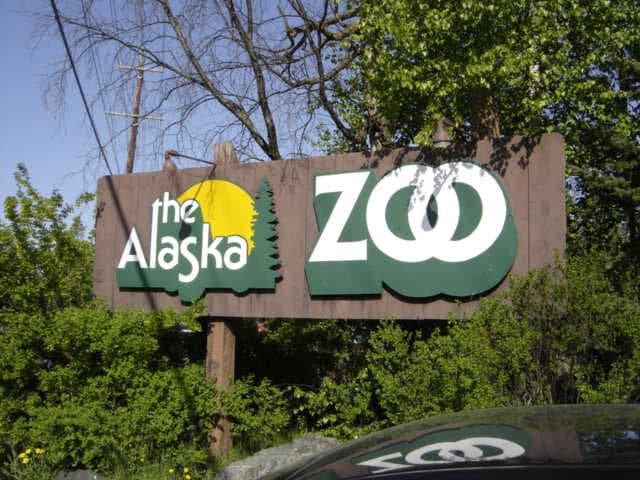
Alaska Zoo
The Alaska Zoo, located in Anchorage, Alaska, is a popular attraction focused on showcasing animals native to the state alongside exotic species. It plays a significant role in education, research, wildlife conservation, and animal rehabilitation, often housing orphaned or injured animals.

Audubon Zoo
Audubon Zoo, located in New Orleans, Louisiana, is a significant zoological park and a part of the Audubon Nature Institute. It is renowned for its diverse animal collections, engaging exhibits like the "Jaguar Jungle" and "African Savanna," and its historical presence dating back to the 1884 World's Fair. The zoo plays a vital role in conservation and education, serving as a popular destination for both locals and tourists.

Brevard Zoo
Brevard Zoo is a 75-acre nonprofit zoological organization located in Melbourne, Florida, accredited by the Association of Zoos and Aquariums. It is home to over 900 animals representing more than 170 species and is known for its unique animal feeding experiences, kayak tours, and aerial ropes course, offering some attractions not found elsewhere in the country.