
Disney's Animal Kingdom
Usa·Zoological Theme Park·20th Century
Disney's Animal Kingdom is a zoological theme park located in Bay Lake, Florida, near Orlando, and is the largest theme park in the world by area. It distinguishes itself by featuring hundreds of live animal exhibits alongside traditional theme park attractions, and is themed around the natural world and its inhabitants, both real and imagined. The park is accredited by the Association of Zoos and Aquariums and the World Association of Zoos and Aquariums, highlighting its commitment to animal welfare, education, and conservation.
Key Facts
- ›Covers 580 acres, making it the largest theme park in the world by area.
- ›Opened to the public on April 22, 1998.
- ›Features approximately 2,000 animals representing around 200 species.
- ›Its icon is the Tree of Life, a 145-foot-tall artificial baobab tree.
- ›Accredited by the Association of Zoos and Aquariums and the World Association of Zoos and Aquariums.
- ›Prohibits plastic straws, lids, and balloons to protect its animals.

Kilimanjaro Safaris, Expedition Everest, Avatar Flight of Passage, Gorilla Falls Exploration Trail, Maharajah Jungle Trek
African Bush Elephant, Black and Southern White Rhinoceros, Masai Giraffe, Cheetah, African Lion, Western Lowland Gorilla, Sumatran Tiger, Komodo Dragon
White Rhinoceros Reintroduction To Uganda, Elephant Breeding Program, Giraffe Breeding Program
About Disney's Animal Kingdom
Disney's Animal Kingdom is a zoological theme park situated in Bay Lake, Florida, near Orlando. Owned and operated by the Walt Disney Company, it distinguishes itself as the largest theme park globally by area, spanning 580 acres. The park's design centers on the natural world, incorporating both real-life and imagined representations of animals and diverse global landscapes.
History and Development
Planning for the park, initially conceived as "Wild Animal Kingdom," began shortly after the opening of Disney-MGM Studios in 1989, with Imagineer Joe Rohde being a key visionary. Construction commenced in 1995, with Imagineers extensively studying African and Asian landscapes and wildlife to inform the park's design. Significant landscaping efforts involved planting thousands of trees, constructing waterways, and incorporating details to create an aged, authentic appearance. Animals were acquired in 1997 and housed in a temporary facility for quarantine and observation, with staff hired from zoos across the United States.
The park officially opened its gates to the public on April 22, 1998, marketed as "a new species of theme park." Significant expansion occurred in 2011 with the announcement of Pandora – The World of Avatar, which opened in 2017, transforming the park into a full-day destination with added attractions and nighttime experiences.
Park Layout and Attractions
Disney's Animal Kingdom is divided into six themed areas: Oasis, Discovery Island, Pandora – The World of Avatar, Africa, Conservation Station, and Asia. The park is home to approximately 2,000 animals representing around 200 species. Its central icon is the Tree of Life, a massive, intricately carved artificial baobab tree.
- Africa is themed as the fictional east African port village of Harambe and features the Kilimanjaro Safaris attraction, offering guests an expedition to see various African species in large enclosures. The Gorilla Falls Exploration Trail allows visitors to see primates and other forest-dwelling animals.
- Asia, set in the fictional kingdom of Anandapur, evokes regions of Southeast Asia and the Himalayas. It is home to Expedition Everest, a roller coaster, and the Maharajah Jungle Trek, which showcases species like the Sumatran tiger and various bird species.
- Pandora – The World of Avatar is inspired by James Cameron's "Avatar" film series and features attractions like Avatar Flight of Passage and Na'vi River Journey.
- Conservation Station provides a behind-the-scenes look at the park's animal care facilities and conservation efforts, accessible via the Wildlife Express Train.
Conservation and Operations
Disney's Animal Kingdom is accredited by the Association of Zoos and Aquariums and the World Association of Zoos and Aquariums, underscoring its commitment to animal welfare, education, conservation, and research. The park actively engages in research and conservation programs, including successful breeding initiatives for elephants and giraffes. A notable conservation effort involved the transfer of white rhinos to Uganda's Ziwa animal sanctuary to aid in reintroduction.
To protect its animal inhabitants, the park has implemented eco-friendly practices, such as prohibiting plastic straws, lids, and balloons. Restroom doors are designed to offer shelter in the event of an animal escape. The park typically closes earlier than other Walt Disney World parks, although it began staying open through the evening in May 2016.
Source: Wikipedia ↗
Frequently Asked Questions
What is Disney's Animal Kingdom?
Disney's Animal Kingdom is a zoological theme park at Walt Disney World in Florida. It combines live animal exhibits with theme park attractions, focusing on the natural world and its creatures, both real and mythical.
When did Disney's Animal Kingdom open?
The park opened to the public on April 22, 1998. Initial marketing efforts included a prime-time television special and an opening day party for numerous guests.
What is the icon of Disney's Animal Kingdom?
The park's icon is the Tree of Life, a large, artificial baobab tree that stands 145 feet tall and is 50 feet wide. It is intricately carved with images of various animals.
What makes Disney's Animal Kingdom unique among Walt Disney World parks?
Disney's Animal Kingdom is unique for its extensive collection of live animal exhibits, alongside traditional theme park rides and shows. It is also isolated from other parks to minimize disruptions to the animals, and does not feature nighttime fireworks.
What conservation efforts does Disney's Animal Kingdom undertake?
The park is engaged in research and conservation efforts, including breeding programs for species like elephants and giraffes. Notably, it participated in reintroducing white rhinos to Uganda, with animals born at the park contributing to the effort.
What are some of the themed lands within Disney's Animal Kingdom?
The park is divided into six themed areas: Oasis, Discovery Island, Pandora – The World of Avatar, Africa, Conservation Station, and Asia. Each land offers unique attractions and animal encounters.
Related Zoos
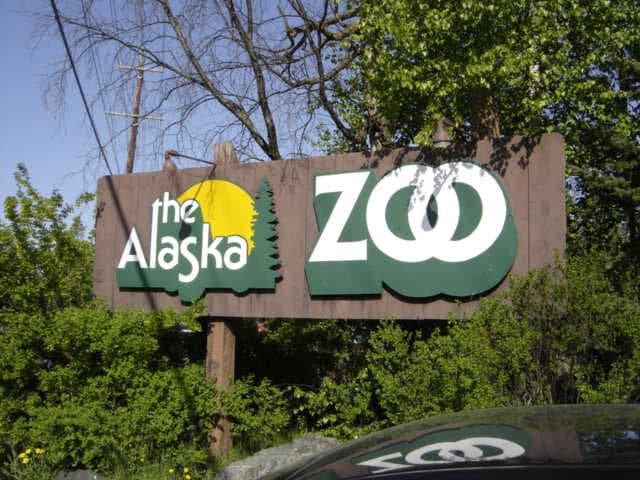
Alaska Zoo
The Alaska Zoo, located in Anchorage, Alaska, is a popular attraction focused on showcasing animals native to the state alongside exotic species. It plays a significant role in education, research, wildlife conservation, and animal rehabilitation, often housing orphaned or injured animals.

Audubon Zoo
Audubon Zoo, located in New Orleans, Louisiana, is a significant zoological park and a part of the Audubon Nature Institute. It is renowned for its diverse animal collections, engaging exhibits like the "Jaguar Jungle" and "African Savanna," and its historical presence dating back to the 1884 World's Fair. The zoo plays a vital role in conservation and education, serving as a popular destination for both locals and tourists.

Brevard Zoo
Brevard Zoo is a 75-acre nonprofit zoological organization located in Melbourne, Florida, accredited by the Association of Zoos and Aquariums. It is home to over 900 animals representing more than 170 species and is known for its unique animal feeding experiences, kayak tours, and aerial ropes course, offering some attractions not found elsewhere in the country.