
Sanjay Gandhi Jaivik Udyan
India·Biological Park·20th Century
Sanjay Gandhi Jaivik Udyan, widely known as Patna Zoo, is a significant biological park in Patna, Bihar, India, established in 1973. It functions as both a botanical garden and a zoo, housing a diverse collection of animals and plants, and is a popular recreational and educational destination for the region. The park is recognized for its efforts in wildlife conservation and successful breeding programs for endangered species.
Key Facts
- ›Opened to the public as a zoo in 1973.
- ›Originally established as a botanical garden in 1969.
- ›Covers a total area of approximately 152.95 acres (61.9 ha).
- ›Home to over 800 animals representing about 110 species.
- ›Features over 300 species of trees, herbs, and shrubs.
- ›Includes an aquarium, nursery for medicinal plants, orchid house, fern house, glass house, and rose garden.

Aquarium, Snake House, Nursery For Medicinal Plants, Orchid House, Fern House, Glass House, Rose Garden
Great One-Horned Rhinoceros, Hippopotamus, Leopard, Alligator, Gharial, Porcupine, White Tiger
Breeding of Endangered Species, Propagation of Endangered Species
About Sanjay Gandhi Jaivik Udyan
Sanjay Gandhi Jaivik Udyan: A Biological Haven in Patna
Sanjay Gandhi Jaivik Udyan, more commonly known as Patna Zoo, is a prominent biological park located in Patna, Bihar, India. Established initially as a botanical garden in 1969 with land provided by the Governor of Bihar, Sri Nityanand Kanungo, it was later expanded and opened to the public as a zoo in 1973. The park officially became the Sanjay Gandhi Biological Park in 1981, named in memory of Sanjay Gandhi, though it continues to be widely referred to as Patna Zoo. In a recent development, the Bihar Cabinet approved the restoration of its official name to Patna Zoo in April 2026.
Scope and Holdings
The park spans approximately 152.95 acres, encompassing a rich diversity of flora and fauna. It is home to over 800 individual animals representing about 110 different species. Alongside its zoological collection, the park maintains its botanical origins with over 300 species of trees, herbs, and shrubs. Key exhibits include a dedicated aquarium, which is a significant revenue generator, a snake house, a nursery for medicinal plants, an orchid house, a fern house, a glass house, and a rose garden.
Conservation Efforts and Notable Breeds
Sanjay Gandhi Jaivik Udyan is committed to the conservation and propagation of endangered species. The zoo has achieved considerable success in breeding captive wild animals, a challenging endeavor. Notable breeding successes include the great one-horned rhinoceros, hippopotamuses, leopards, alligators, and porcupines. The park has also received a white tiger, enhancing its potential for tiger breeding programs. The zoo is also known for being a good location for birdwatching.
Visitor Experience
Patna Zoo is a highly frequented destination, particularly as a picnic spot for locals. Its expansive grounds and diverse collection of animals and plants make it a popular educational and recreational site. The aquarium, in particular, is a significant attraction for visitors. The park plays a vital role in wildlife education and conservation awareness within the region.
Source: Wikipedia ↗
Frequently Asked Questions
When was Patna Zoo established?
The park was first established as a botanical garden in 1969. It was opened to the public as a zoo in 1973.
What is the official name of Patna Zoo?
The institution was renamed the Sanjay Gandhi Biological Park in 1981 in memory of Sanjay Gandhi. However, in April 2026, the Bihar Cabinet approved the restoration of the official name to Patna Zoo.
What types of animals can be found at Patna Zoo?
The zoo houses a variety of animals including tigers, leopards, hippopotamuses, crocodiles, elephants, bears, deer, peafowl, rhinos, chimpanzees, giraffes, and zebras.
Does Patna Zoo have any conservation programs?
Yes, Patna Zoo makes considerable efforts to conserve and propagate endangered species from around the world, with notable successes in breeding programs.
What are some of the notable exhibits or features of Patna Zoo?
Besides the diverse animal collection, the park includes an aquarium, a snake house, a nursery for medicinal plants, an orchid house, a fern house, a glass house, and a rose garden, reflecting its origins as a botanical garden.
Has Patna Zoo had success in breeding endangered animals?
The zoo has achieved notable success in breeding captive wild animals, including the great one-horned rhinoceros, hippopotamus, leopards, alligators, and porcupines.
Related Zoos
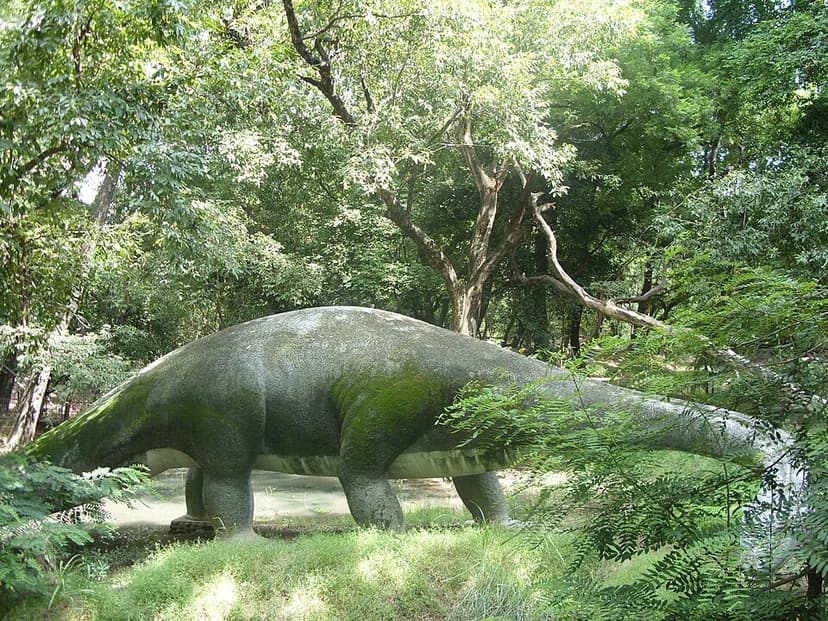
Kanpur Zoological Park
Kanpur Zoological Park, also known as Allen Forest Zoo, is a significant zoological park located in Kanpur, India. It is distinguished as the largest open green space in Kanpur and the largest zoological park in North India, notable for being one of the few zoos in India established within a natural forest setting. The zoo is recognized for its ISO certification in Environment Management System Standard and its innovative term "WILDOMESTIC" for captive-born wild animals.

Nandankanan Zoological Park
Nandankanan Zoological Park is a 437-hectare zoo and botanical garden in Odisha, India, established in 1960 and opened to the public in 1979. It is notable for being the first zoo in India to join the World Association of Zoos and Aquariums (WAZA) and for its successful breeding programs, particularly for white tigers and gharials. The park also includes a botanical garden and a portion declared a sanctuary, making it a significant center for wildlife and plant conservation.
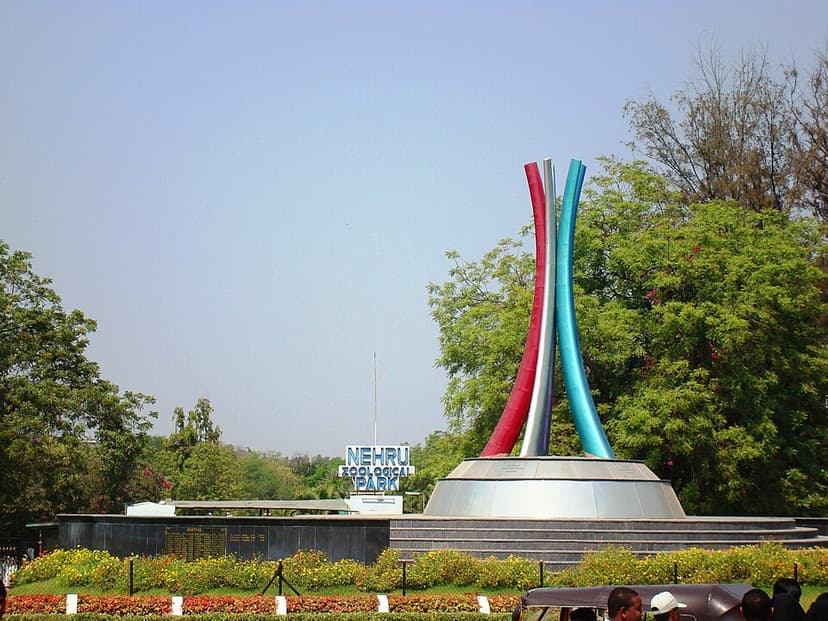
Nehru Zoological Park
Nehru Zoological Park, also known as Zoo Park, is a significant zoological garden located in Bahadurpura, Telangana, India. Established in 1963 and named after India's first Prime Minister, Jawaharlal Nehru, it is a major tourist attraction and a hub for wildlife conservation and education.