
Karlsruhe Zoo
Karlsruhe Zoo, also known as Zoologischer Stadtgarten Karlsruhe, is a prominent city garden and zoo located in Karlsruhe, Germany. Established in 1865, it is one of Germany's oldest zoos and features a diverse collection of animals within its integrated city garden setting. The zoo plays a role in wildlife display and public education, contributing to the cultural landscape of the region.
Key Facts
- ›The Karlsruhe Zoo was opened in 1865.
- ›It covers a total area of 22 hectares, with 9 hectares dedicated to the zoo itself.
- ›The zoo houses approximately 3000 animals representing over 240 species.
- ›It is integrated with a city garden and is managed by municipal authorities.
- ›The zoo has a notable polar bear enclosure, redesigned in 2000, and a large petting zoo established in 2011.
- ›The last lioness was euthanized in 2022, ending lion keeping at the zoo.

Polar Bear Enclosure, Petting Zoo, Exotic House, African Savannah, Himalayan Mountain World
Molly, Safo
About Karlsruhe Zoo
Karlsruhe Zoo, officially known as Zoologischer Stadtgarten Karlsruhe, is a significant urban park and zoological institution situated in the southwest of Karlsruhe, Germany. Established in 1865, it stands as one of Germany's oldest zoos, characterized by its integration with a city garden, creating a unified and accessible public space.
History and Development
The origins of Karlsruhe Zoo trace back to early efforts in 1861, with a formal proposal in 1864 by an association for poultry breeding. The Grand Duke Friedrich I of Baden supported the initiative by providing land and financial backing, though the initial fundraising fell short of the projected costs. The zoo's early years saw fluctuations in funding and management, with a zoo association taking over in 1868 and the city of Karlsruhe eventually acquiring the entire inventory and facilities in 1877.
Under the direction of garden director Friedrich Ries, the park evolved into a popular destination, with the addition of a rose garden in 1899. A notable engineering feat was the construction of an artificial hill, Lauterberg, completed in 1893, which served as a water reservoir and remains the highest point in Karlsruhe's core city.
The zoo's design was influenced by contemporary trends, such as the grid-less enclosures at Hagenbeck Zoo, leading to the creation of outdoor facilities like the first sea lion enclosure in 1913. Expansion continued, particularly around 1914 with the construction of Karlsruhe Central Station, which led to significant growth in the zoo's garden area and the creation of new rose and Japanese gardens.
The animal collection was diversified with exotic species, including a king tiger in 1923 and the elephant Molly in 1924. The zoo faced severe damage during World War II, with facilities destroyed and surviving animals dispersed. Reconstruction began in 1947, and the zoo reopened in 1949, gradually rebuilding its animal population.
A major development occurred in 1965 with the creation of the Tierpark Oberwald in the nearby city forest to accommodate animals and create space for garden areas. This coincided with preparations for the 1967 Federal Garden Show, which saw a complete redesign of the garden and expansion of animal facilities, including a new polar bear enclosure that housed the largest group of polar bears in Europe at the time.
Subsequent decades saw ongoing renovations and new constructions, including a monkey house in 1968, and in the 1990s, the African Savannah, a new chimpanzee facility, and updated predator enclosures. Incidents such as animal escapes, fires, and animal deaths have been documented throughout its history, prompting facility upgrades and changes in animal management. The zoo also experienced the loss of its last lioness in 2022, marking the end of lion keeping.
Animal Enclosures and Features
Karlsruhe Zoo presents its enclosures as "animal experience worlds" representing various zoogeographical regions. Key facilities include the polar bear enclosure, designed to mimic Arctic and tundra habitats with multiple sections for separation and underwater viewing. Modern enclosures for seals and penguins, completed in 2009, offer extensive land and water areas for the animals and enhanced visitor observation.
The Australian wildlife area features Bennett kangaroos and emus, while the African Savannah hosts zebras, antelopes, ostriches, meerkats, and Watussi cattle. The "Bergwelt Himalaya" ensemble showcases snow leopards and red pandas, with other areas dedicated to Persian goiter cells, owls, coatis, lynx, and dwarf otters.
Notable primate exhibits include monkey islands for lemurs and South American monkeys, alongside a monkey house for African species. The predator house contains Chinese leopards and salt cats. The "exotic house," converted from a former indoor pool and opened in 2015, offers a diverse range of approximately 2000 animals from nearly 100 species, including free-roaming birds, monkeys, reptiles, and amphibians, and also serves as a center for zoo education.
The zoo also houses Asian elephants in a "senior residence" facility opened in 2019, which is also utilized by hippos. The integrated nature of the zoo and city garden, its historical development, and its diverse animal collection make Karlsruhe Zoo a notable institution in Germany.
Source: Wikipedia ↗
Frequently Asked Questions
When was Karlsruhe Zoo founded?
Karlsruhe Zoo was founded in 1865, making it one of the oldest zoos in Germany. Initial efforts to establish a zoo began as early as 1861, with the formal opening occurring in 1865.
How large is Karlsruhe Zoo?
The main area of the Karlsruhe Zoo totals 22 hectares, of which nine hectares are specifically designated for the zoo. An additional area, Tierpark Oberwald, in the southeast of the city, spans 16 hectares.
How many animals and species are at Karlsruhe Zoo?
Karlsruhe Zoo is home to approximately 3000 animals representing over 240 different species. This diverse collection is presented within the zoo's integrated city garden environment.
What are some notable exhibits or facilities at Karlsruhe Zoo?
Notable exhibits include the polar bear enclosure, opened in 2000, which features a replica Arctic habitat with underwater viewing. The zoo also has a large petting zoo inaugurated in 2011, an 'exotic house' with a wide variety of animals, and an expanded elephant facility opened in 2019.
What is the history of animal keeping at Karlsruhe Zoo?
The zoo's animal collection has grown significantly since its founding, with notable additions like the elephant Molly in 1924 and a large group of polar bears in 1967. The zoo has also seen the end of certain animal keeping, such as lions in 2022.
What is the significance of the city garden aspect of Karlsruhe Zoo?
The zoo is integrated with a city garden, forming a common, enclosed area that cannot be visited separately. This combined space is managed by municipal authorities and is under monument protection, offering a unique visitor experience.
Related Zoos
Berlin Zoological Garden
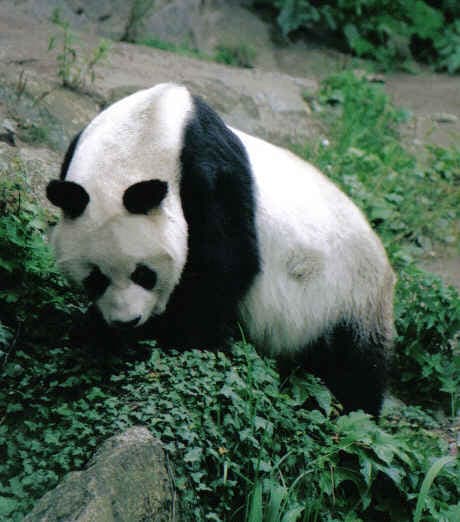
The Berlin Zoological Garden, established in 1844, is Germany's oldest and most renowned zoo. It boasts one of the world's most extensive species collections, housing over 20,200 animals across approximately 1,380 species. The zoo is a significant European tourist attraction, drawing millions of visitors annually and playing a vital role in international conservation efforts through breeding programs and species reintroduction.

Cologne Zoological Garden
The Cologne Zoological Garden is a historic zoo in Cologne, Germany, founded in 1860. It is one of Germany's oldest zoos, housing over 10,000 animals from more than 850 species across 20 hectares, and is notable for its active participation in conservation breeding programs for endangered species and in-situ conservation efforts.
Dresden Zoo
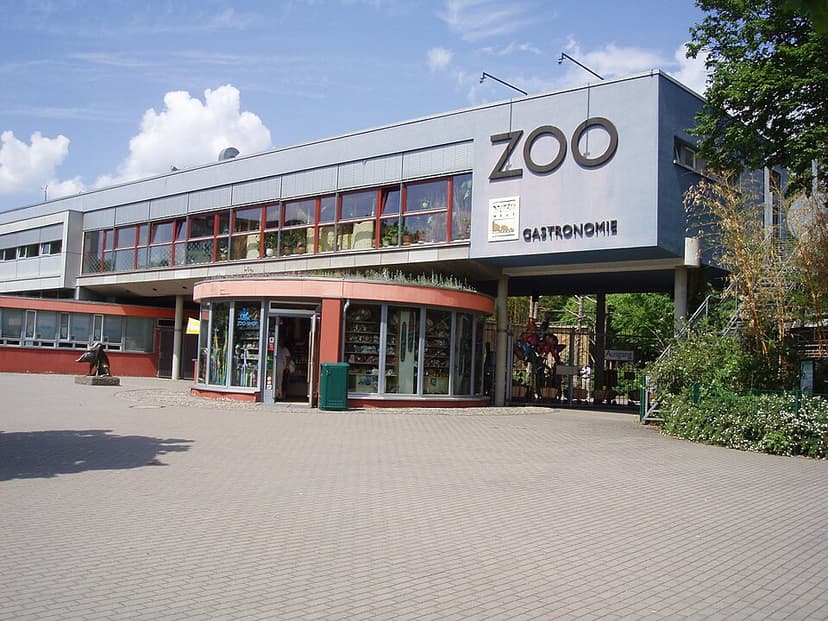
Dresden Zoo, established in 1861, is Germany's fourth-oldest zoo and is situated on the southern edge of the Großer Garten in Dresden, Germany. It is renowned for its significant collection of Asian animals and its pioneering work in observing and documenting the natural rearing of great apes, particularly orangutans.