
Leipzig Zoo
Leipzig Zoo, established in 1878, is a highly regarded zoological garden in Germany, recognized as the best in the country and second-best in Europe. It is internationally noted for its innovative theme worlds, designed to provide species-appropriate habitats, and for its significant contributions to breeding programs, particularly for lions and Siberian tigers. The zoo also serves as a center for primate research.
Key Facts
- ›Opened on June 9, 1878.
- ›Covers approximately 27 hectares (67 acres).
- ›Houses around 850 species.
- ›Features six distinct theme worlds: Founder's Garden, Gondwanaland, Asia, Pongoland, Africa, and South America.
- ›Internationally recognized for large building projects like Pongoland and Gondwanaland.
- ›Has bred over 2,000 lions and 250 Siberian tigers.

Pongoland, Gondwanaland, Kiwara Savannah
Gorillas, Chimpanzees, Bonobos, Orangutans, Eastern Quoll, Indian Elephants, Chinese Pangolin, Snow Leopards, GréVy's Zebras, Rothschild's Giraffes, Thomson's Gazelles, Nile Lechwes, Ostriches, Lions, Hyenas, Meerkats, Guanacos, Flamingos, Chacoan Peccaries
Eaza Ex-Situ Programme
About Leipzig Zoo
Leipzig Zoological Garden, commonly known as Leipzig Zoo, is a prominent zoological institution located in the city of Leipzig, Germany. Established on June 9, 1878, it has evolved into one of Europe's leading zoos, consistently ranked among the best in Germany and the continent.
History and Development
The zoo was originally opened in the late 19th century and was later taken over by the city of Leipzig in 1920. Over the decades, it has undergone significant development, focusing on creating environments that are both engaging for visitors and appropriate for the welfare of the animals.
Theme Worlds and Exhibits
A defining characteristic of Leipzig Zoo is its innovative approach to exhibit design, organized into six distinct "theme worlds": Founder's Garden, Gondwanaland, Asia, Pongoland, Africa, and South America. These areas are meticulously crafted to replicate natural habitats, enhancing the visitor experience and supporting species conservation.
- Gondwanaland: This is a remarkable, expansive indoor rainforest hall that opened in 2010. It simulates a tropical climate and houses approximately 170 species of exotic animals alongside around 500 plant species, creating an immersive journey through the ecosystems of Africa, Asia, and South America. Visitors can explore via a treetop trail and even take boat rides.
- Pongoland: Opened in 2001, this modern ape world provides spacious outdoor facilities for four species of primates, allowing them to live in family groups. It is also home to the Wolfgang Köhler Primate Research Center, a collaboration with the Max Planck Institute for Evolutionary Anthropology, which focuses on studying the behavior and cognition of great apes.
- Africa: This section features the Kiwara Savannah, a large shared habitat for species such as Grévy's zebras, Rothschild's giraffes, Thomson's gazelles, Nile lechwes, and ostriches, alongside other popular animals like lions and meerkats.
- Asia: Notable inhabitants include Indian elephants with their own swimming pool and the critically endangered Chinese pangolin.
- Founder's Garden: Located near the entrance, this area includes historical buildings and exhibits such as koalas and primate islands.
Conservation and Research
Leipzig Zoo is deeply committed to wildlife conservation and plays an active role in breeding programs for various species. It has achieved notable successes in breeding lions, with over 2,000 born, and rare Siberian tigers, with more than 250 individuals. The zoo's collaboration with research institutions underscores its dedication to advancing the understanding and conservation of animal species.
Recognition
Leipzig Zoo is internationally recognized for its ambitious building projects and its forward-thinking approach to zoo management, often referred to as the "Zoo of the future." Its high rankings reflect its significant contributions to zoological science, education, and conservation.
Source: Wikipedia ↗
Frequently Asked Questions
When was Leipzig Zoo founded?
Leipzig Zoo was first opened on June 9, 1878. It was subsequently taken over by the city of Leipzig in 1920 after World War I.
How large is Leipzig Zoo?
Leipzig Zoo currently covers approximately 27 hectares, which is equivalent to about 67 acres. This expansive area allows for the creation of diverse and species-appropriate habitats.
What are the main attractions at Leipzig Zoo?
Key attractions include the expansive indoor rainforest hall Gondwanaland, which simulates a tropical climate and houses numerous exotic species. Pongoland is another major feature, focusing on primate habitats and a research center.
What is Gondwanaland?
Gondwanaland is a massive greenhouse that opened in 2010, covering over 16,500 square meters. It features a tropical climate and is home to 170 exotic animal species and around 500 plant species from Africa, Asia, and South America, with a treetop trail for visitors.
What kind of research is conducted at Leipzig Zoo?
Leipzig Zoo hosts the Wolfgang Köhler Primate Research Center in cooperation with the Max Planck Institute for Evolutionary Anthropology. Research focuses on the behavior and cognition of great apes, with a special emphasis on chimpanzee cognition.
What conservation efforts are made at Leipzig Zoo?
The zoo aims to combine species conservation with spacious, species-appropriate compounds. It has a history of successful breeding programs for animals like lions and Siberian tigers, and primate species participate in the EAZA Ex-situ Programme.
Related Zoos
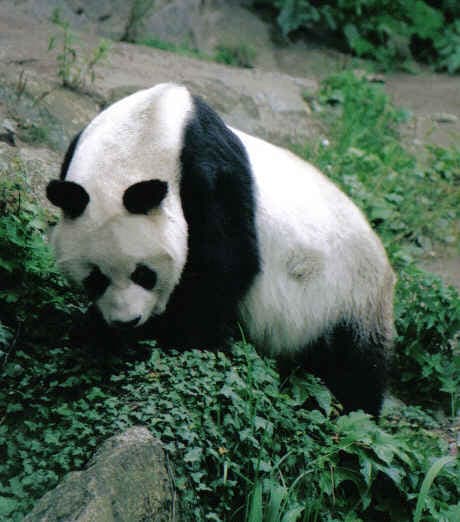
Berlin Zoological Garden
The Berlin Zoological Garden, established in 1844, is Germany's oldest and most renowned zoo. It boasts one of the world's most extensive species collections, housing over 20,200 animals across approximately 1,380 species. The zoo is a significant European tourist attraction, drawing millions of visitors annually and playing a vital role in international conservation efforts through breeding programs and species reintroduction.

Cologne Zoological Garden
The Cologne Zoological Garden is a historic zoo in Cologne, Germany, founded in 1860. It is one of Germany's oldest zoos, housing over 10,000 animals from more than 850 species across 20 hectares, and is notable for its active participation in conservation breeding programs for endangered species and in-situ conservation efforts.
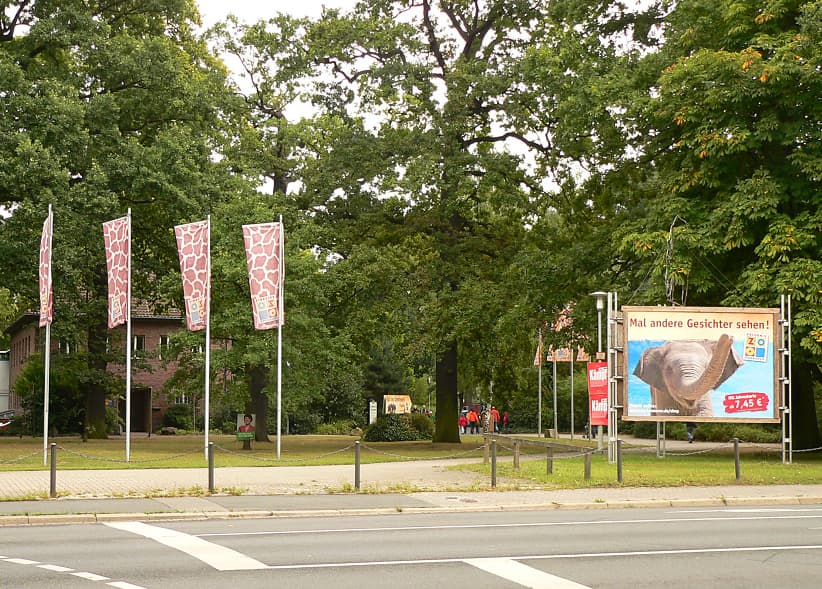
Hanover Zoo
Hanover Zoo, established in 1865, is a significant zoological institution in Hanover, Germany, renowned for its innovative "Concept Zoo 2000" transforming it into a leading attraction with immersive themed worlds. It plays a crucial role in wildlife conservation through various international breeding and reintroduction programs.