
Melbourne Zoo
Melbourne Zoo is Victoria's primary zoological park, located in Royal Park, Parkville, north of central Melbourne. Established in 1862, it has evolved from an acclimatisation society to a major zoological institution, housing a diverse collection of animals from Australia and around the world.
Key Facts
- ›Opened on October 6, 1862, on 55 acres of land in Royal Park.
- ›Modeled after London Zoo.
- ›Houses 3,742 animals representing 243 species as of 2021.
- ›Features bioclimatic zones such as African rainforest, Asian rainforest, and the Australian bush.
- ›Includes popular exhibits like the Butterfly House, Reptile House, and Lion Gorge.

Gorilla Rainforest, Treetops Apes & Monkeys, Forest of Wonder, Butterfly House, Wild Sea, Australian Bush, Great Flight Aviary, Lion Gorge, Reptile House
Queenie the Elephant, Australia's First Gorilla Birth, Giant Pandas, Mali the Elephant Calf
- Preservation of the Victorian grassland earless dragon
About Melbourne Zoo
Melbourne Zoo is a significant zoological institution located within Royal Park in Parkville, approximately 4 kilometers north of the Melbourne city center. It serves as the primary zoo for the Melbourne metropolitan area and is a key part of Zoos Victoria, which also administers Werribee Open Range Zoo and Healesville Sanctuary.
History and Development
The origins of Melbourne Zoo trace back to the formation of the Zoological Society of Victoria in October 1857, with an initial aim to introduce foreign animals and plants. The society later changed its name to the Acclimatisation Society of Victoria. On October 6, 1862, the organization opened the new Melbourne Zoo in Royal Park on a 55-acre parcel of land donated by the City of Melbourne. Initially, the zoo played a role in acclimatizing domestic animals to Australia. The procurement of more exotic animals and the development of gardens and picnic areas began in earnest with the appointment of Albert Alexander Cochrane Le Souef in 1870, the same year the society's name changed again to the Zoological and Acclimatisation Society of Victoria. The zoo was granted the prefix "Royal" in 1910.
Throughout its history, Melbourne Zoo has featured notable exhibits and events. Queenie the elephant was a famous attraction from the early 1900s to the 1940s. In the mid-1930s, financial difficulties led to the Zoological Gardens Act 1936, transferring the zoo to a Zoological Board of Victoria in 1937. The Lion Park exhibit opened in 1964. Significant animal births include Australia's first gorilla birth in 1984 and the birth of the first elephant calf in Australia, Mali, in 2010. The Trail of the Elephants exhibit, opened in 2003, was highly acclaimed. In 2018, the zoo completed construction on a new carnivores trail. The zoo also commemorates its history through heritage-listed structures like the Elephant House.
Exhibits and Operations
As of 2021, Melbourne Zoo houses 3,742 animals representing 243 species. The zoo is organized into bioclimatic zones designed to mimic natural habitats, including an African rainforest ('Gorilla Rainforest'), an Asian rainforest, and the 'Australian Bush'. Popular exhibits include the 'Butterfly House', 'Reptile House', 'Great Flight Aviary', 'Wild Sea', 'Treetop Apes and Monkeys', and 'Lion Gorge'. The zoo also offers educational programs for schools and hosts popular 'Roar and Snore' sleepover events.
The zoo is accessible via public transport, including the Upfield railway line and tram routes. Bicycles can be used to reach the zoo via the Capital City Trail but are not permitted inside.
Zoos Victoria and Conservation
Melbourne Zoo is an institutional member of the Zoo and Aquarium Association and the World Association of Zoos and Aquariums. Zoos Victoria, the governing body since 1973, is committed to wildlife conservation. In October 2023, Zoos Victoria initiated a conservation project with Colossal Biosciences to preserve the Victorian grassland earless dragon and sequence its genome. The zoo's elephant herd was relocated to its sister facility, Werribee Open Range Zoo, in February 2025 to reside in a new, advanced habitat.
Source: Wikipedia ↗
Frequently Asked Questions
When was Melbourne Zoo established?
Melbourne Zoo was established on October 6, 1862. It was opened by the Zoological Society of Victoria, which had been formed in 1857 with the aim of introducing animals and plants from overseas.
What is the size of Melbourne Zoo?
The zoo initially opened on 55 acres of land. As of 2021, it houses 3,742 animals comprising 243 species.
What are some of the main animal exhibits at Melbourne Zoo?
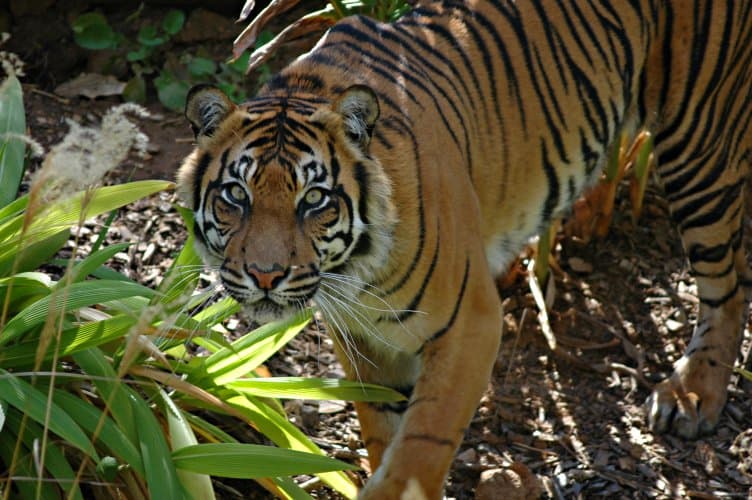
Melbourne Zoo organizes many animals into bioclimatic zones, including an African rainforest with gorillas and lemurs, an Asian rainforest with orangutans and tigers, and an Australian bush area. Popular exhibits also feature a Butterfly House, Reptile House, and Lion Gorge.
Does Melbourne Zoo have any special overnight events?
Yes, during the summer months, Melbourne Zoo hosts 'Roar and Snore' events. These allow visitors to purchase tickets to camp out overnight and see some of the zoo's nocturnal animals on guided tours.
What is the history of the carousel at Melbourne Zoo?
The carousel, manufactured in England, was brought to Australia in 1886. After touring with a carnival for over 60 years, it became part of a fun fair at Melbourne Zoo in 1952. The zoo purchased the carousel in 1997 when the fun fair closed and restored it, reopening in 2005.
What conservation efforts is Melbourne Zoo involved in?
Melbourne Zoo is a full institutional member of the Zoo and Aquarium Association and the World Association of Zoos and Aquariums. In 2023, Zoos Victoria, which administers Melbourne Zoo, began a conservation project with Colossal Biosciences to preserve the Victorian grassland earless dragon.
Related Zoos
Adelaide Zoo
Adelaide Zoo, established in 1883, is Australia's second-oldest zoo and operates on a non-profit basis. Situated north of Adelaide's city center, it is managed by the Royal Zoological Society of South Australia and is a key institution for wildlife conservation and public education in the region.

Perth Zoo
Perth Zoo is a 17-hectare zoological park located in South Perth, Western Australia, established in 1898. It is recognized for its extensive botanical collection alongside its animal inhabitants and plays a significant role in conservation efforts for both native Australian and exotic endangered species.

Cairns
Cairns is a major regional city located on the tropical northeast coast of Far North Queensland, Australia. Founded in 1876, it has grown from a gold-mining port to a significant international tourism hub, renowned for its proximity to two UNESCO World Heritage sites: the Great Barrier Reef and the Daintree Rainforest. The city's economy is largely driven by tourism, alongside healthcare, education, and marine industries.