
Perth Zoo
Perth Zoo is a 17-hectare zoological park located in South Perth, Western Australia, established in 1898. It is recognized for its extensive botanical collection alongside its animal inhabitants and plays a significant role in conservation efforts for both native Australian and exotic endangered species.
Key Facts
- ›Founded in 1898, Perth Zoo spans 17 hectares (41 acres).
- ›By 2011, it housed 1,258 animals representing 164 species.
- ›It is a full institutional member of the Zoo and Aquarium Association (ZAA) and the World Association of Zoos and Aquariums (WAZA).
- ›The zoo features major precincts like the African Savannah, Asian Rainforest, and Australian Bushwalk.
- ›Notable past residents include Tricia the Asian elephant and Puan the Sumatran orangutan, both recognized for longevity and contributions to breeding programs.
- ›Perth Zoo actively participates in breeding programs for numerous endangered native and exotic species.

African Savannah, Asian Rainforest, Australian Bushwalk, Australian Wetlands, Penguin Plunge, Nocturnal House, Primate Trail, Reptile Encounter, Gibbon Crossing
Tricia, Puan, Phillip, Putra Mas, Permai
- Sumatran Orangutan Breeding and Reintroduction Program
- Native Species Breeding Program
- Conservation of African Painted Dogs
- Conservation of Asian Elephants
- Conservation of Goodfellow's Tree-Kangaroos
- Conservation of Javan Gibbons
- Conservation of Northern White-Cheeked Gibbons
- Conservation of Rothschild's Giraffes
- Conservation of Southern White Rhinoceroses
- Conservation of Sun Bears
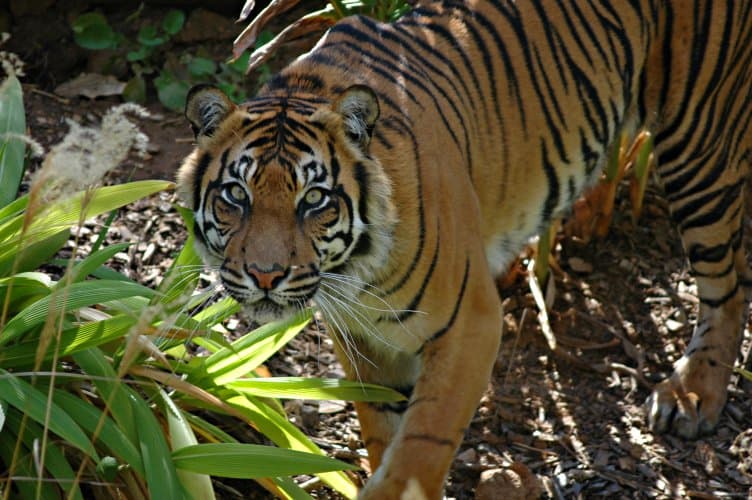
- Conservation of Sumatran Tigers
- Chuditch Breeding Program
- Shark Bay Mouse Breeding Program
- Central Rock Rat Breeding Program
About Perth Zoo
Perth Zoo is a 17-hectare (41-acre) zoological park situated in South Perth, Western Australia. Established on October 17, 1898, the zoo was originally named the Perth Zoological Gardens and was founded with the purpose of introducing European animals to Australia and fostering conservation. By 2011, it housed approximately 1,258 animals across 164 species, in addition to maintaining an extensive botanical collection.
History and Development
The initial planning for Perth Zoo began in 1896 by the Acclimatisation Society. Albert Le Souef, director of the Melbourne Zoo, was instrumental in selecting the site, and his son Ernest became the first director of Perth Zoo, commencing work in 1897. Early exhibits included bear caves, a monkey house, and a mammal house. From its inception, Ernest Le Souef focused on developing both an animal and a botanical collection, working to overcome the sandy, nutrient-poor site by importing manure and establishing a well for irrigation. The zoo's grounds feature a variety of gardens, including rose gardens and tropical plants, with an original palm collection still present.
Perth Zoo has hosted significant events, including the Australasian Championships in tennis in 1909, which predated the modern Australian Open. In recent years, the zoo has maintained a substantial staff, with approximately 248 paid employees (167 full-time equivalents) and around 300 volunteer docents by 2010/11.
Notable Residents and Contributions
Perth Zoo has been home to several notable animals. Tricia, a female Asian elephant, resided at the zoo for 59 years until her euthanasia in July 2022 due to age-related health issues. She was joined in 1992 by three rescued orphan elephants from Malaysia; one of these, Putra Mas, still resides at the zoo. The zoo's elephant housing concluded in 2025 after 125 years. Another significant resident was Puan, a Sumatran orangutan born in 1956, who lived to be 62 and had 54 living descendants worldwide at the time of her death in 2018. Phillip, a Northern white-cheeked gibbon, was also a record holder for longevity among males of his species at the zoo.
Precincts and Exhibits
The zoo's primary precincts are designed to mimic natural habitats and include the African Savannah, Asian Rainforest, and Australian Bushwalk. Other exhibits feature Australian Wetlands, a Nocturnal House, Penguin Plunge, Primate Trail, and Reptile Encounter. The African Savannah, opened in 1991, recreated the African savannah environment. The Asian Rainforest, developed in phases from 1984 to 2007, houses threatened Asian species. The Australian Bushwalk, established in its current form in 1997, showcases Australian wildlife and landscapes, including specific exhibits for numbats and black cockatoos. The Rainforest Retreat, developed between 1994 and 1996, focuses on tropical botanical flora and has been successful in breeding threatened frog species for wild release.
Conservation and Breeding Programs
Perth Zoo is deeply committed to wildlife conservation, participating in numerous breeding programs for both native Australian and exotic endangered species. These programs aim to increase genetic diversity in captive populations and, in many cases, to reintroduce animals into managed wild habitats. The zoo's Sumatran orangutan breeding program is recognized globally; since 1970, it has bred many orangutans, with some being released into the wild in Sumatra as part of international reintroduction efforts. Notably, Temara, a zoo-born orangutan, was the first of her species globally to be released into the wild.
For native Australian species, Perth Zoo works with government departments to breed threatened animals for release. This includes numbats, western swamp tortoises, dibblers, and several species of frogs. The zoo has bred hundreds of numbats since 1986 and over 500 western swamp tortoises since 1988. The dibbler conservation breeding program, spanning 26 years, saw over 1,100 captive-bred individuals released into protected areas. Previous breeding programs for species such as the chuditch, Shark Bay mouse, and central rock rat have also been completed, contributing to the recovery of these animals' populations.
Heritage and Governance
The Scenic Heritage Trail offers visitors a self-guided walk through the zoo, highlighting historical buildings such as the 1898 mineral baths, a 1903 replica tennis shelter, the 1931 Scout Hall, and the 1947 carousel. The Zoological Parks Authority governs Perth Zoo, with a succession of head managers overseeing its operations since its opening.
Source: Wikipedia ↗
Frequently Asked Questions
When was Perth Zoo established?
Perth Zoo was established on October 17, 1898. Planning for the zoo began earlier, in 1896, with the Acclimatisation Society.
What is the size of Perth Zoo?
Perth Zoo covers an area of 17 hectares, which is equivalent to 41 acres.
What are the main themed areas at Perth Zoo?
The zoo's largest precincts are the African Savannah, the Asian Rainforest, and the Australian Bushwalk. Other areas include the Australian Wetlands, Nocturnal House, Penguin Plunge, Primate Trail, and Reptile Encounter.
What conservation efforts does Perth Zoo undertake?
Perth Zoo is involved in extensive breeding programs for endangered native Australian species like numbats and western swamp turtles, as well as exotic species such as Sumatran orangutans and gibbons. They also contribute to conservation efforts in the wild through fundraising.
Who was Tricia the elephant and why was she famous?
Tricia was a female Asian elephant who lived at Perth Zoo for 59 years, from 1963 until her death in July 2022. She was one of the zoo's most famous residents and had a significant impact on the zoo's history.
What notable animals have resided at Perth Zoo?
Notable animals include Tricia, an Asian elephant with a 59-year residency, and Puan, a Sumatran orangutan who lived to be 62 and had numerous descendants. Phillip, a Northern white-cheeked gibbon, also holds a record for longevity for his species at the zoo.
Related Zoos
Adelaide Zoo
Adelaide Zoo, established in 1883, is Australia's second-oldest zoo and operates on a non-profit basis. Situated north of Adelaide's city center, it is managed by the Royal Zoological Society of South Australia and is a key institution for wildlife conservation and public education in the region.

Melbourne Zoo
Melbourne Zoo is Victoria's primary zoological park, located in Royal Park, Parkville, north of central Melbourne. Established in 1862, it has evolved from an acclimatisation society to a major zoological institution, housing a diverse collection of animals from Australia and around the world.

Cairns
Cairns is a major regional city located on the tropical northeast coast of Far North Queensland, Australia. Founded in 1876, it has grown from a gold-mining port to a significant international tourism hub, renowned for its proximity to two UNESCO World Heritage sites: the Great Barrier Reef and the Daintree Rainforest. The city's economy is largely driven by tourism, alongside healthcare, education, and marine industries.