
North Carolina Zoo
Usa·Natural Habitat Zoo·20th century
The North Carolina Zoo, located in Asheboro, North Carolina, is a prominent state-supported zoological park dedicated to showcasing animals primarily from Africa and North America in naturalistic habitats. It is recognized as the world's largest natural habitat zoo, spanning 500 developed acres and housing over 1,700 animals representing more than 250 species, making it a significant institution for education, conservation, and public engagement.
Key Facts
- ›The North Carolina Zoo is one of two state-supported zoos in the United States.
- ›It is the world's largest natural habitat zoo, with 500 developed acres out of over 2,000 total acres.
- ›The zoo was officially opened on August 13, 1976, with the first animals arriving in 1973.
- ›It houses approximately 1,700 animals of more than 250 species.
- ›The zoo is accredited by the Association of Zoos and Aquariums (AZA).
- ›It is part of the North Carolina Department of Natural and Cultural Resources.

- Africa region habitats (e.g., Watani Grasslands, Kibale Forest)
- North America region habitats (e.g., Cypress Swamp, Rocky Coast)
- Mangum Desert
- R. J. Reynolds Forest Aviary (formerly)
Ham
- African Elephant Tracking In Cameroon
- Cross River gorilla monitoring in Cameroon and Nigeria
- Hellbender Salamander Protection and Research
- Schweinitz's Sunflower Restoration
- American Red Wolf Species Survival Plan
- Gorilla Species Survival Plan
- Polar Bear Species Survival Plan
About North Carolina Zoo
The North Carolina Zoo, originally named the North Carolina Zoological Park, is a significant zoological institution located in Asheboro, North Carolina. Established as one of two state-supported zoos in the United States, it is renowned for its commitment to naturalistic habitats, housing a diverse collection of animals primarily from Africa and North America. The zoo's expansive grounds and its dedication to conservation and education make it a vital resource for both regional and national wildlife awareness.
History and Development
The concept of a state zoo in North Carolina began to take shape in 1967 with the formation of the NC Zoological Garden Study Commission. Following legislative approval and the establishment of the NC Zoological Authority in 1968, efforts to fund and develop the zoo commenced. The chosen site in Randolph County, spanning 1,371 acres, was donated to the state, and construction began in 1974. The zoo officially opened its gates on August 13, 1976. Early developments focused on the Africa region, with its grand opening in the summer of 1980, showcasing habitats for animals such as chimpanzees, giraffes, gorillas, zebras, and elephants. The zoo also gained historical notoriety with the transfer of Ham, the chimpanzee who was the first hominid in space, in 1980. The North America region began to take shape in 1993 with the opening of the Sonora Desert habitat, with the final North American region completed in 1996. Future expansions, including a planned Asia region, have been supported by initiatives like the Connect NC bond referendum.
Features and Attractions
The North Carolina Zoo is distinguished by its philosophy of creating naturalistic environments where animals and plants coexist in settings that mimic their wild habitats. It is recognized as the world's largest natural habitat zoo, with 500 acres currently developed. Visitors can explore distinct regions, including Africa, North America, and a global Desert. The Africa section features habitats like Watani Grasslands, home to elephants and rhinos, and Kibale Forest for chimpanzees. The North America section includes diverse exhibits such as the Cypress Swamp, Rocky Coast, and Prairie, showcasing native wildlife. The Mangum Desert, a glass-domed exhibit, presents arid-climate flora and fauna. The zoo also boasts extensive walking paths, with trams and buses available for visitor convenience.
Conservation and Research
Conservation is a cornerstone of the North Carolina Zoo's mission. The institution actively participates in numerous research and conservation projects both internationally and within North Carolina. These initiatives include satellite tracking of elephants in Cameroon to protect their habitats, monitoring of the rare Cross River gorilla, and efforts to protect endangered species like the hellbender salamander and Schweinitz's sunflower within North Carolina. The zoo is also a key participant in the American Red Wolf and Gorilla Species Survival Plans, contributing to breeding programs aimed at safeguarding vulnerable populations. The zoo's commitment to conservation extends to its educational programs, fostering an understanding of biological diversity and the importance of wildlife protection.
Organization and Support
The North Carolina Zoo operates under the North Carolina Department of Natural and Cultural Resources. Its governance is overseen by a 15-member Zoo Council appointed by the Governor. The North Carolina Zoological Society serves as the zoo's non-profit fundraising and membership arm, providing crucial financial support through donations and sales. The zoo's operating budget is supported by state funding, ticket sales, merchandise, and contributions from the Zoological Society.
Source: Wikipedia ↗
Frequently Asked Questions
When did the North Carolina Zoo officially open?
The North Carolina Zoo officially opened its doors on August 13, 1976. However, the first animals, two Galapagos tortoises, arrived in 1973, and an interim zoo was opened in 1974.
What is the size of the North Carolina Zoo?
The North Carolina Zoo has 500 developed acres dedicated to its main habitats. The total land tract, including recently acquired adjacent forestland, exceeds 2,000 acres, making it the world's largest natural habitat zoo.
What regions and animals are represented at the North Carolina Zoo?
The zoo primarily represents Africa and North America, with a global desert section. Visitors can see animals such as chimpanzees, giraffes, gorillas, zebras, elephants, polar bears, American alligators, cougars, American bison, elk, and various reptiles and birds.
What conservation efforts is the North Carolina Zoo involved in?
The zoo participates in numerous conservation projects, including tracking African elephants in Cameroon, monitoring rare Cross River gorillas in Cameroon and Nigeria, and conducting research and protection for hellbender salamanders and endangered Schweinitz's sunflowers in North Carolina. It also actively participates in Species Survival Plans for species like red wolves and gorillas.
Does the North Carolina Zoo have any famous animal residents?
Yes, the zoo was once home to Ham, a chimpanzee who became the first hominid in outer space. He was moved to the North Carolina Zoo in 1980 and lived there until his death.
What are some notable exhibits at the North Carolina Zoo?
The zoo features extensive naturalistic habitats, including the 40-acre Watani Grasslands, the Kibale Forest habitat for chimpanzees, and the Forest Glade for gorillas. The North America region includes exhibits like the Cypress Swamp and Rocky Coast, while the desert section is housed in the glass-domed 'Mangum Desert'.
Related Zoos
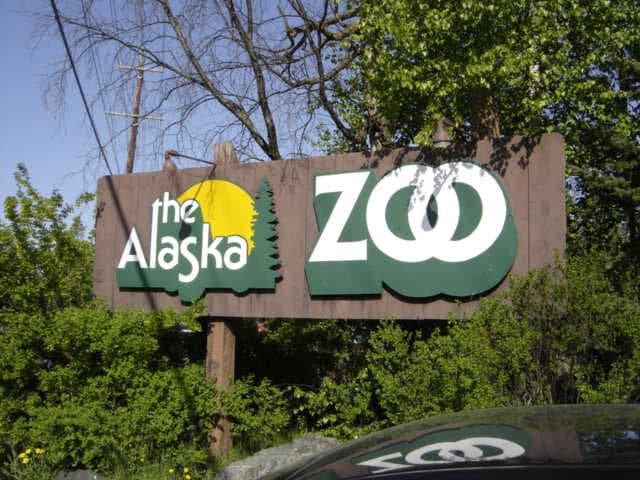
Alaska Zoo
The Alaska Zoo, located in Anchorage, Alaska, is a popular attraction focused on showcasing animals native to the state alongside exotic species. It plays a significant role in education, research, wildlife conservation, and animal rehabilitation, often housing orphaned or injured animals.

Audubon Zoo
Audubon Zoo, located in New Orleans, Louisiana, is a significant zoological park and a part of the Audubon Nature Institute. It is renowned for its diverse animal collections, engaging exhibits like the "Jaguar Jungle" and "African Savanna," and its historical presence dating back to the 1884 World's Fair. The zoo plays a vital role in conservation and education, serving as a popular destination for both locals and tourists.

Brevard Zoo
Brevard Zoo is a 75-acre nonprofit zoological organization located in Melbourne, Florida, accredited by the Association of Zoos and Aquariums. It is home to over 900 animals representing more than 170 species and is known for its unique animal feeding experiences, kayak tours, and aerial ropes course, offering some attractions not found elsewhere in the country.