
Parque de las Leyendas
The Parque de las Leyendas, also known as the Dr. Felipe Benavides Barreda Park of Legends, is a significant zoo and cultural complex located in Lima, Peru. It serves as the most influential and visited zoo in the capital, integrating zoological exhibits with recreational areas, archaeological museums, and a botanical garden. Since 2023, it has also operated a branch in Ate District, formerly the Huachipa Recreational Ecological Centre, expanding its reach and offerings.
Key Facts
- ›Founded in 1964 by conservationist Felipe Benavides Barreda.
- ›Located in San Miguel District, Lima, Peru, with a second branch in Ate District.
- ›Features archaeological museums and a botanical garden alongside its zoological collection.
- ›Houses notable long-term residents, including a Tumbes crocodile named Naylamp and two Galápagos tortoises, Sansón and Job.
- ›The Huachipa branch includes the largest aquarium in Peru.
- ›Managed by the Metropolitan Municipality of Lima (MML).

Patio De Leyendas, Botanical Garden, Archaeological Museums, Aquarium
Naylamp, SansóN, Job
About Parque de las Leyendas
The Parque de las Leyendas, officially the Dr. Felipe Benavides Barreda Park of Legends, is a prominent zoo and cultural institution situated in Lima, Peru. Located in the San Miguel District, it is managed by the Metropolitan Municipality of Lima (MML) and stands as the capital's most influential and frequently visited zoo. Beyond its zoological attractions, the park integrates recreational and entertainment facilities, archaeological museums, and a botanical garden, offering a multifaceted experience.
History and Development
The park was established in 1964 in the Pando area of San Miguel by the distinguished conservationist Felipe Benavides Barreda during the presidency of Fernando Belaúnde Terry. Initially named "Las Leyendas," its name later officially became "Parque de las Leyendas "Dr. Felipe Benavides Barreda." The name is inspired by Inca and pre-Inca legends, which were once visually represented by illustrations at the entrance. These artistic depictions were later removed, but the narrative elements are preserved in the "Patio de Leyendas" (Courtyard of Legends) within the Cultural Park.
A significant event in the park's history occurred in 1970 when the Barranco Zoo was permanently closed, and its animals were transferred to Parque de las Leyendas. Among these relocated animals were long-term residents like Naylamp, a female Tumbes crocodile, and Sansón and Job, two Galápagos tortoises, all of whom had arrived at the zoo in 1963.
For many years, the park operated under the administration of the central government through various bodies such as PARNAZ and SERPAR, and later under different ministries. However, by the late 2000s, administration was officially transferred to the Metropolitan Municipality of Lima through Law No. 28998 of 2007.
Huachipa Branch
In 2023, Parque de las Leyendas expanded its operations with the acquisition of the Huachipa Recreational Ecological Centre in the Ate District, which now functions as a branch of the park. This site, formerly known as Huachipa Zoo, reportedly housed over 2,000 animals and had a significant visitor capacity prior to its acquisition. The Huachipa branch also features Peru's largest aquarium, inaugurated in July 2016.
The Huachipa Zoo was originally inaugurated in December 1998 and opened to the public in February 1999. It was recognized in 2015 as one of the best zoos by American television network Telemundo and was the only zoo in Peru affiliated with the World Association of Zoos and Aquariums at that time. The facility has faced challenges, including flooding in 2015 and temporary closures due to safety inspections in 2019. In response to the COVID-19 pandemic in 2020, the zoo implemented virtual tours and had to reopen to a limited public to secure funds for animal food.
Source: Wikipedia ↗
Frequently Asked Questions
When was Parque de las Leyendas founded?
Parque de las Leyendas was founded in 1964 by renowned conservationist Felipe Benavides Barreda. Its original name was "Las Leyendas," which later evolved to its current official name, "Parque de las Leyendas "Dr. Felipe Benavides Barreda".
What is the significance of the name 'Parque de las Leyendas'?
The name 'Parque de las Leyendas' is derived from the Inca and pre-Inca legends that were originally illustrated on walls at the park's entrance by Sabino Springett. While these illustrations have been removed, the texts remain a notable feature in the 'Patio de Leyendas' (Courtyard of Legends).
When were animals from Barranco Zoo relocated to Parque de las Leyendas?
In 1970, the Barranco Zoo permanently closed, and all its animals were moved to the park in San Miguel. Some of these relocated animals, such as the Tumbes crocodile Naylamp and the Galápagos tortoises Sansón and Job, are still housed there.
What is the Huachipa site?
The Huachipa site, formerly known as the Huachipa Recreational Ecological Centre, became a branch of Parque de las Leyendas in 2023 after its acquisition by the Metropolitan Municipality of Lima. This branch in Ate District features outdoor exhibits and the largest aquarium in Peru.
What is notable about the aquarium at the Huachipa site?
The aquarium at the Huachipa site is the largest in Peru, covering an area of almost 1,000 square meters. It was inaugurated on July 26, 2016, and is a significant feature of the branch.
How is Parque de las Leyendas managed?
Parque de las Leyendas is managed by the Metropolitan Municipality of Lima (MML). This administration was formally granted by Law No. 28998 of 2007, transferring control from various central government ministries.
Related Zoos

Audubon Zoo
Audubon Zoo, located in New Orleans, Louisiana, is a significant zoological park and a part of the Audubon Nature Institute. It is renowned for its diverse animal collections, engaging exhibits like the "Jaguar Jungle" and "African Savanna," and its historical presence dating back to the 1884 World's Fair. The zoo plays a vital role in conservation and education, serving as a popular destination for both locals and tourists.
Baku Zoo
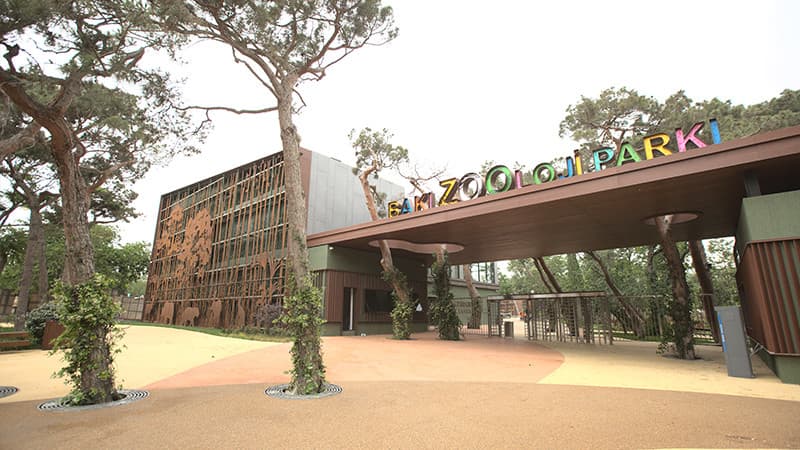
Baku Zoo, officially Baku Zoological Park, is a 10.5-acre zoological institution located in the Narimanov district of Baku, Azerbaijan. It houses over 125 species of animals and plays a role as an educational, research, and conservation center, particularly focusing on the rare fauna of Azerbaijan.

Beijing Zoo
Beijing Zoo, founded in 1906, is the oldest zoo in China and a significant zoological research center. It is renowned for its extensive collection of rare Chinese endemic species, particularly its giant pandas, and boasts one of the largest animal collections in the country, attracting over five million visitors annually.