
San Francisco Zoo
The San Francisco Zoo and Gardens is a 100-acre zoological park located in the southwestern corner of San Francisco. Managed by the non-profit San Francisco Zoological Society, it is known for being the birthplace of Koko the gorilla and housing Elly, the oldest black rhinoceros in North America. The zoo plays a role in wildlife conservation through its participation in Species Survival Plans.
Key Facts
- ›The zoo spans 100 acres.
- ›It was founded with planning beginning in 1929.
- ›As of 2016, it housed over 1,000 animals representing more than 250 species.
- ›It is the birthplace of Koko the gorilla.
- ›It was home to Elly, the oldest black rhinoceros in North America, from 1974 to 2016.
- ›In April 2025, it was ranked the 6th best zoo in the United States.
Monkey Island, Lion House, Elephant House, Leanne B. Roberts African Savanna, Jones Family Gorilla Preserve, Lipman Family Lemur Forest, Great Ape Passage, Penguin Island, South American Tropical Rainforest and Aviary
Koko the Gorilla, Elly, Tatiana, Pennie, Lulu, Stephen Jr.
Species Survival Plans
About San Francisco Zoo
San Francisco Zoo and Gardens
The San Francisco Zoo and Gardens, commonly known as the SF Zoo, is a 100-acre zoological park situated in the southwestern corner of San Francisco, between Lake Merced and the Pacific Ocean. Its main entrance is located on the ocean side along the Great Highway. The zoo is owned by the San Francisco Recreation & Parks Department and operated by the San Francisco Zoological Society, a non-profit 501(c)(3) organization, under a public-private partnership established in 1993.
History and Development
Planning for the zoo commenced in 1929, on land adjacent to the historic Fleishhacker Pool. The site was already home to a children's zoo, a carousel, and the Mother's Building. Initial exhibits, constructed in the 1930s, included Monkey Island, Lion House, and Elephant House, featuring some of the first bar-less enclosures in the United States. Over the decades, the San Francisco Zoological Society has played a crucial role in fundraising and supporting the zoo's development, contributing to projects such as the renovation of the Children's Zoo and the establishment of the Avian Conservation Center.
Animals and Exhibits
As of 2016, the San Francisco Zoo housed over one thousand individual animals, representing more than 250 species. The zoo is organized into various regions, including the Leanne B. Roberts African Savanna, the Jones Family Gorilla Preserve, the Madagascar Center with the Lipman Family Lemur Forest, the Pacific Rim, Australia, The Americas, and the Exploration Zone. Notable residents have included Koko the gorilla, the birthplace of whom is at the zoo, and Elly, for many years the oldest black rhinoceros in North America. In April 2024, an agreement was announced to bring giant pandas from China to the zoo.
Conservation Initiatives
The San Francisco Zoo is actively involved in wildlife conservation through its participation in over 30 Species Survival Plans (SSPs) sponsored by the Association of Zoos and Aquariums. These programs aim to maintain healthy, genetically diverse, and demographically stable populations of endangered and threatened species. The zoo has also undertaken rescue and rehabilitation efforts for animals like orphaned black bears and a blind California sea lion.
Challenges and Criticisms
In recent years, the San Francisco Zoo has faced significant scrutiny regarding its facilities and animal welfare. A 2024 report by the San Francisco Animal Control and Welfare Commission described the facility as "extremely outdated" and "unsafe." The zoo has also experienced several safety incidents, including a tiger escape in 2007 that led to a visitor fatality, and a gorilla death in 2014 due to a door malfunction. Management decisions and the allocation of bond funds have also drawn criticism from employees, union members, and animal welfare advocates, with concerns raised about animal care practices and the overall condition of the zoo.
Source: Wikipedia ↗
Frequently Asked Questions
When was the San Francisco Zoo founded?
Planning for the San Francisco Zoo began in 1929. It was originally named Fleishhacker Zoo after its founder, Herbert Fleishhacker.
What is the size of the San Francisco Zoo?
The San Francisco Zoo and Gardens covers 100 acres of land, situated between Lake Merced and the Pacific Ocean.
What are some notable animals or exhibits at the San Francisco Zoo?
The zoo is recognized as the birthplace of Koko the gorilla. It was also the home of Elly, the oldest black rhinoceros in North America, for many years. The zoo features various regions such as the African Savanna, Madagascar Center, Pacific Rim, and The Americas.
What is the management structure of the San Francisco Zoo?
The San Francisco Zoo is owned by the San Francisco Recreation & Parks Department and managed by the San Francisco Zoological Society, a non-profit organization, operating under a public-private partnership since 1993.
What conservation efforts does the San Francisco Zoo participate in?
The San Francisco Zoo actively participates in over 30 Species Survival Plans sponsored by the Association of Zoos and Aquariums. These programs aim to maintain healthy, genetically diverse, and stable populations of various species.
Has the San Francisco Zoo faced any safety concerns?
Yes, in October 2024, a city report described the facility as "extremely outdated" and "unsafe." The zoo has also experienced incidents including a tiger escape in 2007 that resulted in a visitor fatality, and a gorilla death due to a door flaw in 2014.
Related Zoos
Alaska Zoo
The Alaska Zoo, located in Anchorage, Alaska, is a popular attraction focused on showcasing animals native to the state alongside exotic species. It plays a significant role in education, research, wildlife conservation, and animal rehabilitation, often housing orphaned or injured animals.

Audubon Zoo
Audubon Zoo, located in New Orleans, Louisiana, is a significant zoological park and a part of the Audubon Nature Institute. It is renowned for its diverse animal collections, engaging exhibits like the "Jaguar Jungle" and "African Savanna," and its historical presence dating back to the 1884 World's Fair. The zoo plays a vital role in conservation and education, serving as a popular destination for both locals and tourists.
Brookfield Zoo Chicago
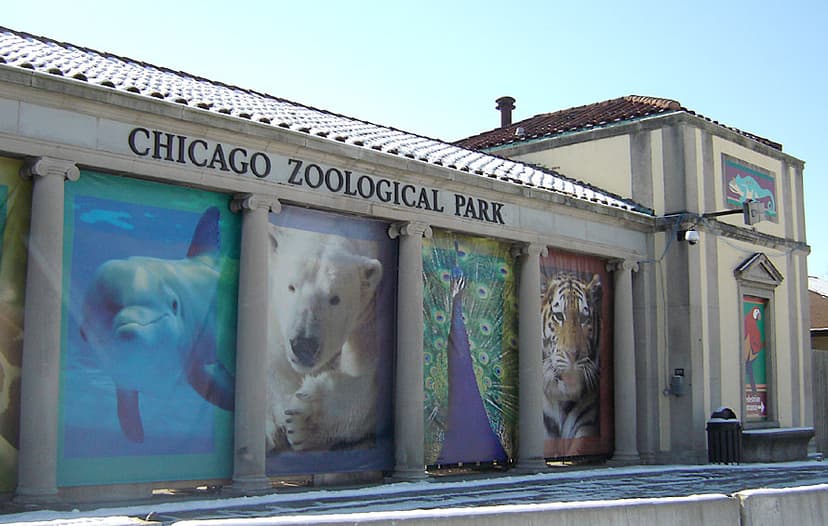
Brookfield Zoo Chicago, formerly known as Brookfield Zoo, is a prominent zoological park located in Brookfield, Illinois, and is the largest zoo in the Chicago metropolitan area. It is recognized internationally for its innovative use of moats and ditches instead of traditional cages and for being the first U.S. zoo to exhibit giant pandas. The zoo plays a significant role in animal conservation and public education.