
Tama Zoo
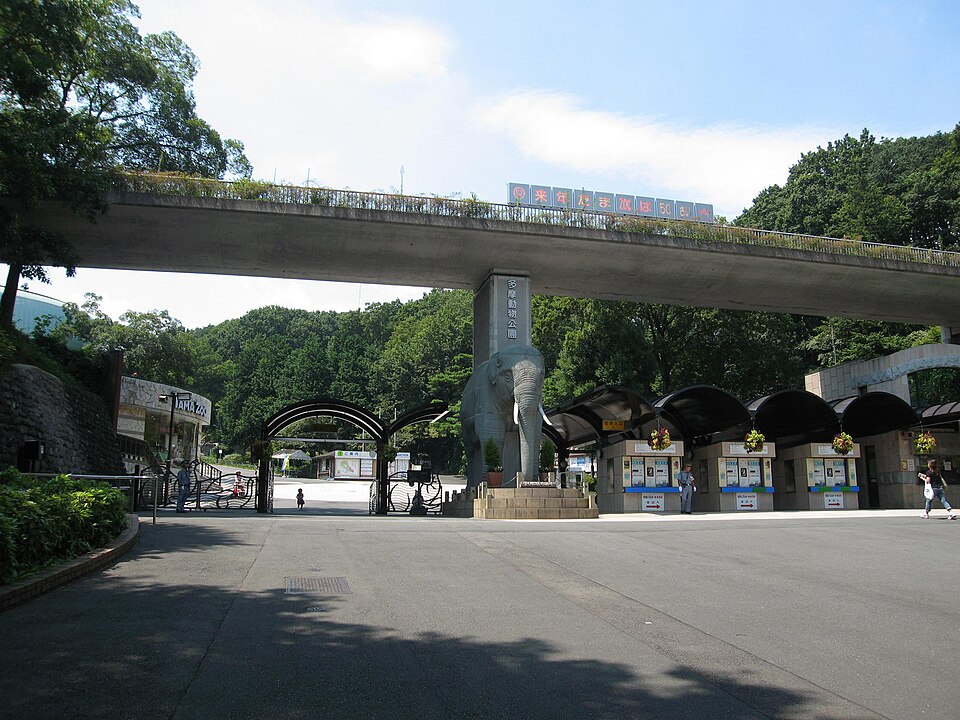
Tama Zoological Park, often shortened to Tama Zoo, is a zoological park owned by the government of Tokyo Metropolis, located in Hino, Tokyo, Japan. Opened on May 5, 1958, it was initially a satellite facility of Ueno Zoo, and it utilizes its expansive 52-hectare site to exhibit animals in more naturalistic and free-ranging environments.
Key Facts
Mole House
Anura
About Tama Zoo
Tama Zoological Park
Tama Zoological Park, commonly referred to as Tama Zoo, is a significant zoological institution located in Hino, Tokyo, Japan. Owned and operated by the government of Tokyo Metropolis, it was established on May 5, 1958. Initially conceived as a satellite facility for the Ueno Zoo, Tama Zoo was designed to leverage its considerable area of 52 hectares to provide animals with environments that allow for more naturalistic movement and behavior, a notable contrast to the more confined spaces of other urban zoos.
Animal Zones and Exhibits
The zoo is organized into distinct zones, including an Asian Zone, an African Zone, and an Australian Zone, each housing a variety of species representative of those regions. Among its specialized exhibits is the "Mole House," a unique, glass-covered earth and metal structure designed to allow visitors to observe the burrowing activities of Japanese moles and small Japanese moles.
Notable Residents
A particularly well-known resident of Tama Zoo is Anura, a male Asian elephant. As of 2025, Anura holds the distinction of being the oldest elephant living in Japan. Born in 1953 in the Dominion of Ceylon (modern-day Sri Lanka), he was brought to Japan in 1956 and was originally housed at Ueno Zoo before being transferred to Tama Zoo in 1958. He was named in honor of Anura Bandaranaike, the son of Ceylon's then-prime minister, Sirimavo Bandaranaike.
Access and Cultural References
Tama Zoo is easily accessible, with Tama-Dōbutsukōen Station serving both the Keiō Dōbutsuen Line and the Tama Toshi Monorail Line, located directly in front of the park's entrance. The zoo has also found its way into popular culture, notably being featured as "Hino Zoo" in the manga and anime series My Deer Friend Nokotan, and appearing as a filming location in the original Kamen Rider series.
Source: Wikipedia ↗
Frequently Asked Questions
When was Tama Zoo established?
Tama Zoo was opened on May 5, 1958. It was initially established as a branch or satellite facility of the Ueno Zoo.
What is the size of Tama Zoo?
Tama Zoo is a large facility, covering 52 hectares. This is significantly larger than the Ueno Zoo, which spans 14.3 hectares.
What is notable about the elephant Anura at Tama Zoo?
Anura is a male Asian elephant at Tama Zoo who is recognized as the oldest elephant living in Japan as of 2025. Born in 1953 in Ceylon, he was imported to Japan in 1956 and moved to Tama Zoo in 1958.
What is the purpose of Tama Zoo's design?
Tama Zoo aims to showcase its animals in more free and natural environments, making use of its extensive grounds. This approach is facilitated by its large site compared to other zoos.
Where is Tama Zoo located?
Tama Zoo is located in Hino, Tokyo, Japan. It is owned by the government of Tokyo Metropolis.
Related Zoos
Fukuyama City Zoo
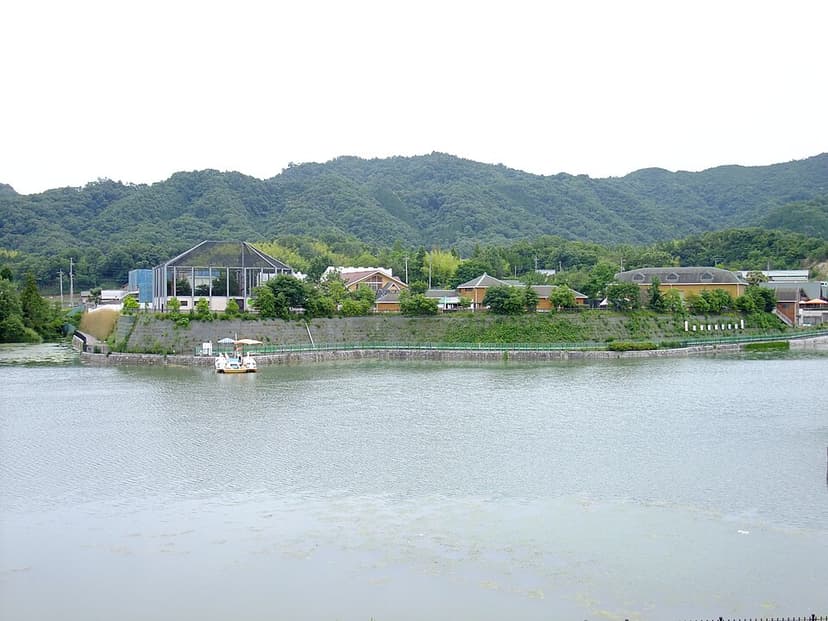
Fukuyama City Zoo is a zoological park located in Fukuyama, Hiroshima, Japan. Established in 1978, it houses a diverse collection of animals, contributing to the region's zoological offerings.

Akita Omoriyama Zoo
Akita Omoriyama Zoo, also known as "Milve," is a municipal zoo located in Akita, Japan. Opened in its current location in 1972, it is modeled after Hokkaido's Asahiyama Zoo, featuring naturalistic habitats and "action exhibits" to encourage animal activity. The zoo is accredited by the Japanese Association of Zoos and Aquariums (JAZA) and has a history of successful captive breeding programs.

Asahiyama Zoo
Asahiyama Zoo is Japan's northernmost municipal zoo, located in Asahikawa, Hokkaido. It gained significant popularity for its innovative interactive exhibits that allow visitors to observe animals in unique ways, leading to record visitor numbers. The zoo is accredited by the Japanese Association of Zoos and Aquariums and is known for its focus on showcasing natural animal behaviors.