
Wilhelma
Germany·Zoological-Botanical Garden·19th Century
Wilhelma is a zoological-botanical garden in Stuttgart, Germany, renowned for its Moorish Revival architecture and extensive collection of plants and animals. It is one of Germany's most popular tourist destinations, attracting over two million visitors annually and housing approximately 11,500 animals from around 1,200 species.
Key Facts
- ›Covers an area of approximately 30 hectares (74 acres).
- ›Staffed since 1846, with buildings in Moorish Revival style.
- ›Houses around 11,500 animals representing roughly 1,200 species.
- ›Also contains approximately 6,000 plant species from all climates.
- ›Ranks second among German zoos in terms of collection size, following the Berlin Zoological Garden.
- ›Operates a branch office in Fellbach for keeping stallions.
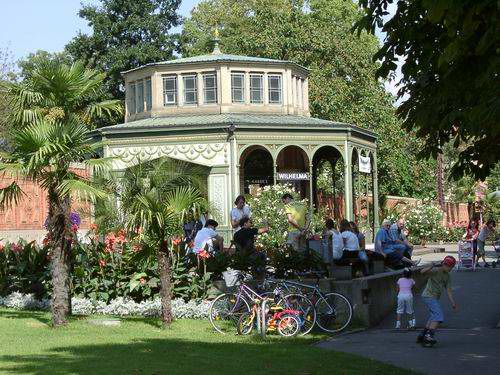
Moorish Revival Architecture, Aquarium, African Apes Hall, Elephant Enclosure, Sub Tropics Aviary
Gorillas, Elephants, Indian One-Horned Rhinos, Pygmy Hippopotamus
- Breeding Program For Slim Monkey
- Breeding Program For Giraffes
- Breeding Program For Somali Wild Asses
- Breeding Program For Bongos
- Breeding Program For Okapi
- Breeding Program For Bontebok
- Breeding Program For Zebras
- In situ participation of Species protection in the Black Forest region for capercaillies
- Rearing of gorilla juveniles rejected by their mothers
About Wilhelma
Wilhelma, located in the Bad Cannstatt district of Stuttgart, Germany, is a world-renowned zoological-botanical garden distinguished by its striking Moorish Revival architecture. Established on the grounds of a historic castle, it has been a significant cultural and scientific institution since its early days as a royal summer residence. The gardens and zoo have been staffed since 1846, evolving from a ducal bathhouse and orangery into one of Germany's most popular tourist attractions, drawing over two million visitors annually.
Architectural and Botanical Significance
The distinctive Moorish Revival style, reminiscent of the Alhambra in Granada, Spain, was conceived by Ludwig von Zanth and has been a defining characteristic of Wilhelma since its inception. The site was named Wilhelma in 1842, following the completion of the initial structures for Duke William I of Württemberg's bathhouse. Beyond its architectural splendor, Wilhelma is also a vital botanical garden, housing approximately 6,000 plant species from diverse climates. It is recognized as Europe's sole large-scale combined zoological and botanical garden, featuring impressive collections such as Europe's largest magnolia grove and a notable stand of sequoia trees.
Zoological Collection and Conservation
Today, Wilhelma's zoological collection is extensive, comprising around 11,500 animals from approximately 1,200 species, making it the second-largest collection in Germany after the Berlin Zoological Garden. The zoo is actively involved in wildlife conservation, participating in numerous breeding programs for species including giraffes, okapi, bongos, and various primates, such as the Slim monkey, for which it has a remarkable breeding success rate. Wilhelma also plays a role in the care of young animals, notably receiving and hand-rearing gorilla juveniles rejected by their mothers, with the aim of later returning them to their original zoos.
Historical Development and Expansion
Following the abdication of the king in 1918, Wilhelma transitioned into public ownership, becoming a botanical garden in 1919. The property suffered significant damage during World War II but was reopened in 1949 with a renewed focus on incorporating both botanical and zoological elements. Subsequent decades saw substantial expansion and modernization, including the construction of new animal houses, aviaries, and an aquarium, notably a new ape house opened in 2013 which significantly increased the facility's size. Wilhelma continues to undergo development, with ongoing projects aimed at enhancing animal habitats and visitor experiences, underscoring its commitment to being a leading institution in zoological and botanical education and conservation.
Source: Wikipedia ↗
Frequently Asked Questions
When was Wilhelma founded?
The site of Wilhelma received the name Wilhelma in 1842 with the completion of the first buildings of Duke William I's bathhouse. The gardens and zoo have been staffed since 1846.
What is the architectural style of Wilhelma?
Wilhelma is noted for its Moorish Revival style, echoing the Alhambra in Spain. This style has been maintained and supplemented since 1960, with many of its buildings reflecting this aesthetic.
How large is Wilhelma?
Wilhelma covers an area of approximately 30 hectares, which is about 0.30 square kilometers or 74 acres. By 1993, it had reached its current size.
What kind of animals can be found at Wilhelma?
Wilhelma houses around 11,500 animals from across the globe, representing approximately 1,200 species. This includes a wide variety of mammals, birds, reptiles, and amphibians.
Does Wilhelma have a botanical garden component?
Yes, Wilhelma is a combined zoological and botanical garden. It features roughly 6,000 plants from all climates and is recognized as Europe's only large combined zoological and botanical garden.
What are some notable exhibits or features at Wilhelma?
Notable features include its Moorish Revival architecture, an aquarium opened in 1967, and various specialized houses for animals such as apes, pachyderms, and ungulates. It also boasts impressive plant collections, including Europe's biggest magnolia grove.
Is Wilhelma involved in conservation efforts?
Wilhelma participates in breeding programs for various species, including giraffes, Somali wild asses, bongos, okapi, bontebok, and zebras. It also receives and rears gorilla juveniles rejected by their mothers as part of conservation initiatives.
Related Zoos

Berlin Zoological Garden
The Berlin Zoological Garden, established in 1844, is Germany's oldest and most renowned zoo. It boasts one of the world's most extensive species collections, housing over 20,200 animals across approximately 1,380 species. The zoo is a significant European tourist attraction, drawing millions of visitors annually and playing a vital role in international conservation efforts through breeding programs and species reintroduction.

Cologne Zoological Garden
The Cologne Zoological Garden is a historic zoo in Cologne, Germany, founded in 1860. It is one of Germany's oldest zoos, housing over 10,000 animals from more than 850 species across 20 hectares, and is notable for its active participation in conservation breeding programs for endangered species and in-situ conservation efforts.
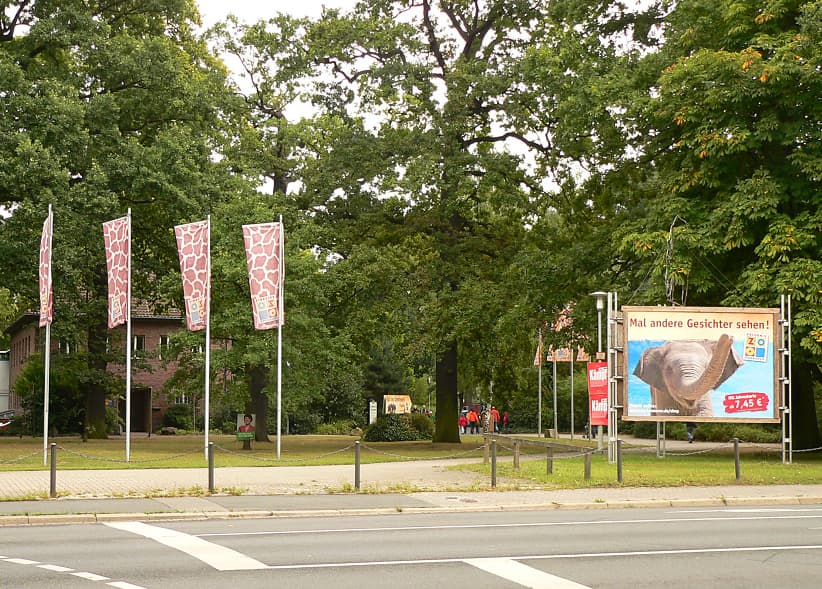
Hanover Zoo
Hanover Zoo, established in 1865, is a significant zoological institution in Hanover, Germany, renowned for its innovative "Concept Zoo 2000" transforming it into a leading attraction with immersive themed worlds. It plays a crucial role in wildlife conservation through various international breeding and reintroduction programs.