
Wuppertal Zoo
Wuppertal Zoo, also known as Zoologischer Garten Wuppertal, is a 24-hectare zoological garden located in Wuppertal, Germany. It houses approximately 5,000 animals from around the world, representing about 500 species, and is known for its modern enclosures and focus on animals from alpine tundra, temperate deciduous forests, and tropical rainforests.
Key Facts
- ›Founded on December 5, 1879, by a joint-stock company.
- ›Covers an area of 24 hectares (59 acres).
- ›Home to approximately 5,000 animals across about 500 species.
- ›Operated by the Wuppertal city council since 1937.
- ›Features modern enclosures for elephants, apes, and a free-flying bird hall.
- ›Has a lion enclosure claimed to be the largest in a German zoo.

Free-Flying Bird Hall, Lion Enclosure, Tiger Enclosures, Gorilla Enclosure, Drill Monkey Enclosure
Anori, Siberian Tigers
About Wuppertal Zoo
Wuppertal Zoo, officially known as Zoologischer Garten Wuppertal, is a significant zoological park situated in the western part of Wuppertal, Germany. Established on December 5, 1879, by a joint-stock company, the zoo officially opened its doors on September 8, 1881, initially housing 34 animals. Today, it spans 24 hectares (59 acres) and is home to approximately 5,000 animals representing around 500 different species, making it a substantial collection of global wildlife.
History and Development
The zoo's history is marked by continuous development and adaptation. In 1937, due to economic challenges, operations were transferred to the Wuppertal city council, which has managed the zoo ever since. While the zoo experienced some animal evacuations during World War II, it was not as severely damaged as other German zoos. The latter half of the 20th century and the beginning of the 21st century saw major renovations and the construction of new, modern enclosures. These include a large-cat building (1970), a renovated aquarium (1974), an ape pavilion (1978), a primate house (1985), an aviary for South American birds (1993), and a new elephant house with extensive outdoor and indoor quarters (1995). The gorilla enclosure was significantly updated in 2006, coinciding with the zoo's 125th anniversary, and a new, large lion enclosure opened in 2007.
Animals and Exhibits
Wuppertal Zoo's location on a rocky, hilly terrain, combined with the region's humid and rainy climate, has influenced its specialization in animals native to alpine tundra, temperate deciduous forests, and tropical rainforests. The zoo boasts modern enclosures for its elephants and apes. A notable feature is its bird house, which includes a specially designed hall allowing visitors to observe free-flying birds. Additionally, the zoo houses a small combined aquarium and terrarium.
Location and Accessibility
The zoo is conveniently located in the western part of Wuppertal, on a hill known as the "Boltenberg." It is easily accessible by public transport, with the Wuppertaler Schwebebahn (Wuppertal Suspension Railway) and the Wuppertal Zoologischer Garten station on the Rhine-Ruhr S-Bahn nearby. While car access is possible via the Autobahn 46, parking is often limited.
Notable Figures
The zoo has had several directors throughout its history, with Josef Keusch serving from 1900 to 1934, followed by Wilhelm Seiffge and others, leading up to the current director, Ulrich Schürer, who has held the position since 1988. A notable animal resident was Anori, a polar bear cub born in 2012, who shared a father with the famous polar bear Knut.
Source: Wikipedia ↗
Frequently Asked Questions
When was Wuppertal Zoo founded?
Wuppertal Zoo was founded on December 5, 1879, by a joint-stock company named Gesellschaft Zoologischer Garten. The central building and the zoo itself officially opened on September 8, 1881.
How large is Wuppertal Zoo?
The zoo covers an area of 24 hectares, which is equivalent to 59 acres. This size accommodates its diverse animal collection and exhibits.
What types of animals can be found at Wuppertal Zoo?
Wuppertal Zoo houses around 5,000 animals from approximately 500 species. This includes a variety of mammals such as apes, monkeys, bears, and big cats, as well as birds, reptiles, and fish.
What are some of the notable exhibits at Wuppertal Zoo?
The zoo features modern enclosures for elephants and apes. It also has a bird house with a hall for observing free-flying birds and a small combined aquarium/terrarium. The lion enclosure is noted as potentially the largest in a German zoo.
How has Wuppertal Zoo evolved over time?
Since its founding, the zoo has undergone steady expansion and renovation. Notable upgrades include new large-cat and elephant houses, an ape pavilion, a primate house, and an aviary for South American birds, with many recent improvements in the late 20th and early 21st centuries.
What is the significance of Wuppertal Zoo's terrain and climate specialization?
The zoo's rocky, hilly terrain and Wuppertal's humid, rainy climate have led it to specialize in animals native to alpine tundra, temperate deciduous forests, and tropical rainforests, allowing for more naturalistic habitats.
Related Zoos
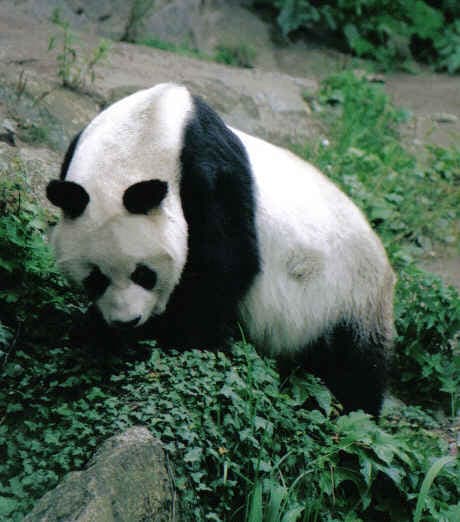
Berlin Zoological Garden
The Berlin Zoological Garden, established in 1844, is Germany's oldest and most renowned zoo. It boasts one of the world's most extensive species collections, housing over 20,200 animals across approximately 1,380 species. The zoo is a significant European tourist attraction, drawing millions of visitors annually and playing a vital role in international conservation efforts through breeding programs and species reintroduction.

Cologne Zoological Garden
The Cologne Zoological Garden is a historic zoo in Cologne, Germany, founded in 1860. It is one of Germany's oldest zoos, housing over 10,000 animals from more than 850 species across 20 hectares, and is notable for its active participation in conservation breeding programs for endangered species and in-situ conservation efforts.
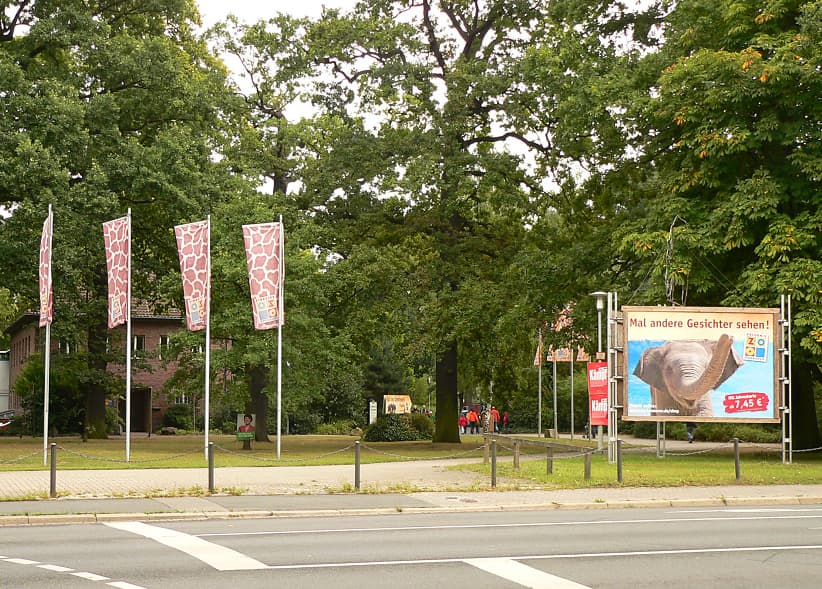
Hanover Zoo
Hanover Zoo, established in 1865, is a significant zoological institution in Hanover, Germany, renowned for its innovative "Concept Zoo 2000" transforming it into a leading attraction with immersive themed worlds. It plays a crucial role in wildlife conservation through various international breeding and reintroduction programs.