
Zoo Miami
Usa·Zoological Park and Gardens·20th Century
Zoo Miami, officially the Miami-Dade Zoological Park and Gardens, is the largest zoo in Florida and the only tropical zoo in the continental United States. It is home to over 3,000 animals representing around 500 species, spread across an expansive 750-acre property. The zoo is recognized for its diverse exhibits, conservation efforts, and its role as a significant zoological institution in South Florida.
Key Facts
- ›Established in 1948 at Crandon Park, Key Biscayne, and relocated in 1980 to its current location.
- ›Houses over 3,000 animals across approximately 500 species.
- ›Covers nearly 750 acres, with 324 acres developed for exhibits.
- ›Features five main exhibit sections: Florida: Mission Everglades, Asia, Africa, Amazon and beyond, and Australia.
- ›Accredited by the Association of Zoos and Aquariums (AZA).
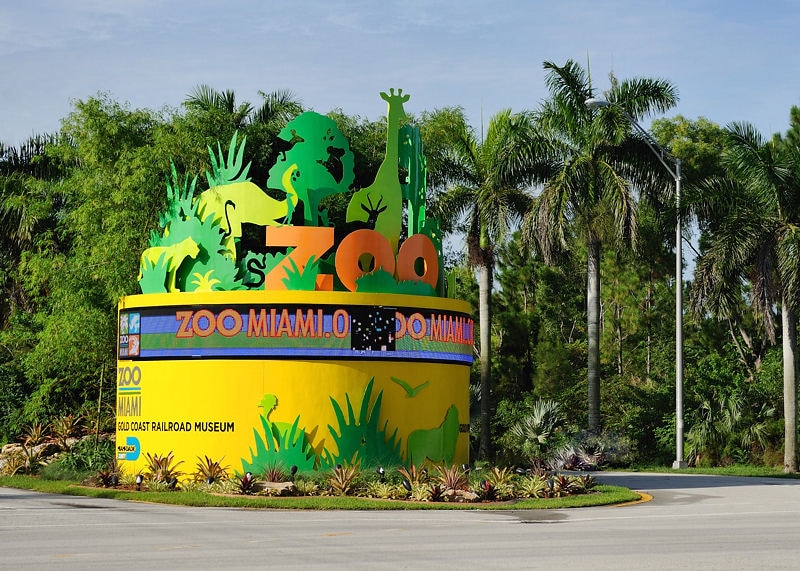
Florida: Mission Everglades, Asia, Africa, Amazon and Beyond, Australia, Wings of Asia Aviary, Falcon Batchelor Komodo Dragon Encounter
Nonja, Carlita, Nellie, Ongard, Dalip
- AZA's Butterfly Conservation Initiative (BFCI)
- Support for captive-breeding facilities in Thailand for clouded leopards and fishing cats
About Zoo Miami
Zoo Miami: A Tropical Zoological Haven
Zoo Miami, officially known as the Miami-Dade Zoological Park and Gardens, stands as Florida's largest zoological park and holds the unique distinction of being the only tropical zoo in the continental United States. Its origins trace back to 1948 with the establishment of the Crandon Park Zoo on Key Biscayne. Following a significant relocation in 1980, the zoo opened as Miami MetroZoo at its current expansive site in southwest Miami-Dade County, occupying nearly 750 acres.
History and Development
The zoo's journey began modestly with a small collection of animals. It endured the devastating impact of Hurricane Betsy in 1965, which led to discussions about a new, more resilient facility. Construction commenced in 1975 on land formerly used by the Naval Air Station Richmond, and the zoo opened its gates on July 4, 1980. The 1980s saw continuous expansion, with the introduction of new exhibits like Asia, African hoofed-mammal displays, and the Wings of Asia aviary. The zoo faced another major challenge with Hurricane Andrew in 1992, which caused significant damage, particularly to the aviary, but the facility reopened later that year. The zoo was rebranded as Zoo Miami in 2010 during its 30th-anniversary celebration, coinciding with the groundbreaking for a major expansion that included an Everglades exhibit.
Exhibits and Animal Collection
Zoo Miami is renowned for its diverse collection of over 3,000 animals representing around 500 species. The zoo is organized into five primary exhibit sections: Florida: Mission Everglades, Asia, Africa, Amazon and Beyond, and Australia. These areas are designed to showcase the native flora and fauna of their respective regions, often featuring large, cage-less, moated exhibits. Notable animals that have resided at Zoo Miami include Nonja, a Sumatran orangutan believed to be the oldest living specimen of her species at her death, and Carlita, a white Bengal tiger. The zoo also houses significant elephant populations and a diverse array of hoofed stock.
Conservation and Community
Conservation is a cornerstone of Zoo Miami's mission. The zoo actively participates in local, national, and global conservation programs, including being a founding member of the Association of Zoos and Aquariums' (AZA) Butterfly Conservation Initiative. It also provides financial support for breeding facilities in Thailand dedicated to endangered species like clouded leopards and fishing cats. The zoo's commitment extends to educating the public through its Conservation Action Center and various interactive exhibits. Despite facing natural challenges like hurricanes, Zoo Miami continues to evolve, striving to provide a safe haven for its animals and a vital resource for conservation and education.
Source: Wikipedia ↗
Frequently Asked Questions
When was Zoo Miami founded?
Zoo Miami's origins trace back to 1948 when a small collection of animals formed the Crandon Park Zoo. It officially relocated and opened in its current location on July 4, 1980, as Miami MetroZoo.
What is the size of Zoo Miami?
Zoo Miami spans almost 750 acres, with 324 acres developed for exhibits. The zoo's perimeter is approximately 4 miles if walked along the designated paths.
What are the main exhibit areas at Zoo Miami?
The zoo is divided into five main exhibit sections: Florida: Mission Everglades, Asia, Africa, Amazon and Beyond, and Australia. These sections showcase a wide variety of animals and habitats.
Has Zoo Miami experienced any major weather events?
Yes, Zoo Miami has been impacted by hurricanes. Hurricane Betsy in 1965 devastated the original Crandon Park Zoo, and Hurricane Andrew in 1992 caused extensive damage to the current location, though most animals survived. Hurricane Irma in 2017 also caused damage, particularly to the Amazon and Beyond exhibit.
What conservation efforts does Zoo Miami undertake?
Zoo Miami actively supports conservation programs locally, nationally, and globally. It is a founding member of the AZA's Butterfly Conservation Initiative and has provided financial aid for captive-breeding facilities in Thailand for endangered species.
What is unique about Zoo Miami's climate?
Zoo Miami is distinguished as the only tropical zoo in the continental United States, allowing it to house a diverse range of species that thrive in a warm, humid environment.
Related Zoos
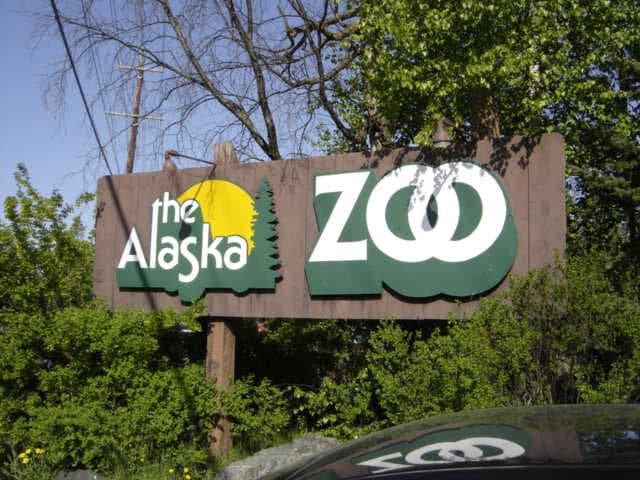
Alaska Zoo
The Alaska Zoo, located in Anchorage, Alaska, is a popular attraction focused on showcasing animals native to the state alongside exotic species. It plays a significant role in education, research, wildlife conservation, and animal rehabilitation, often housing orphaned or injured animals.

Audubon Zoo
Audubon Zoo, located in New Orleans, Louisiana, is a significant zoological park and a part of the Audubon Nature Institute. It is renowned for its diverse animal collections, engaging exhibits like the "Jaguar Jungle" and "African Savanna," and its historical presence dating back to the 1884 World's Fair. The zoo plays a vital role in conservation and education, serving as a popular destination for both locals and tourists.

Brevard Zoo
Brevard Zoo is a 75-acre nonprofit zoological organization located in Melbourne, Florida, accredited by the Association of Zoos and Aquariums. It is home to over 900 animals representing more than 170 species and is known for its unique animal feeding experiences, kayak tours, and aerial ropes course, offering some attractions not found elsewhere in the country.