
Agriarctos
Agriarctos is an extinct genus of bear that lived during the Middle to Late Miocene epochs, roughly 8 to 18 million years ago. Its fossils have been found in Hungary. This genus is notable for its proposed relationship to Agriotherium and for the later reclassification of one of its species into a new genus, Kretzoiarctos.
Key Facts
- ›Agriarctos is an extinct genus of bear.
- ›Fossils date from the Middle to Late Miocene (8-18 million years ago).
- ›Fossil discoveries were made in Hatvan and Rózsaszentmárton, Hungary.
- ›It was proposed to be closely related to the genus Agriotherium.
- ›One species, Agriarctos beatrix, was later moved to the new genus Kretzoiarctos.

Europe
About Agriarctos
Agriarctos is an extinct genus of bear that roamed the Earth during the Middle to Late Miocene epochs, approximately 8 to 18 million years ago. The scientific understanding of this genus is based on fossil evidence primarily discovered in Hungary, with significant finds reported from Hatvan and Rózsaszentmárton.
Fossil Discoveries and Classification
The genus Agriarctos and its type species, A. gaali, were first established based on fossils unearthed in Hatvan. Another species, A. vighi, was identified from fossils found in Rózsaszentmárton. Paleontologist Miklós Kretzoi proposed a close evolutionary relationship between Agriarctos and another extinct bear genus, Agriotherium. Kretzoi also initially assigned the species Ursavus depereti to the Agriarctos genus, though subsequent analysis has indicated that Ursavus depereti is polyphyletic, meaning it does not form a single natural evolutionary group.
Later Reclassifications
In 2011, a new species named Agriarctos beatrix was described. However, this species was later reclassified and erected as a new genus in its own right, named Kretzoiarctos, in honor of Miklós Kretzoi. This taxonomic revision highlights the ongoing process of scientific understanding and refinement as new evidence emerges and is analyzed.
Source: Wikipedia ↗
Frequently Asked Questions
When did Agriarctos live?
Agriarctos lived during the Middle to Late Miocene epochs, a period approximately 8 to 18 million years ago.
Where were Agriarctos fossils found?
Fossils attributed to Agriarctos have been discovered in Hungary, specifically in Hatvan and Rózsaszentmárton.
What is Agriarctos related to?
Miklós Kretzoi suggested that Agriarctos was closely related to the extinct bear genus Agriotherium.
Has the classification of Agriarctos species changed?
Yes, the species Agriarctos beatrix, described in 2011, was later moved to its own new genus called Kretzoiarctos.
Related Bears
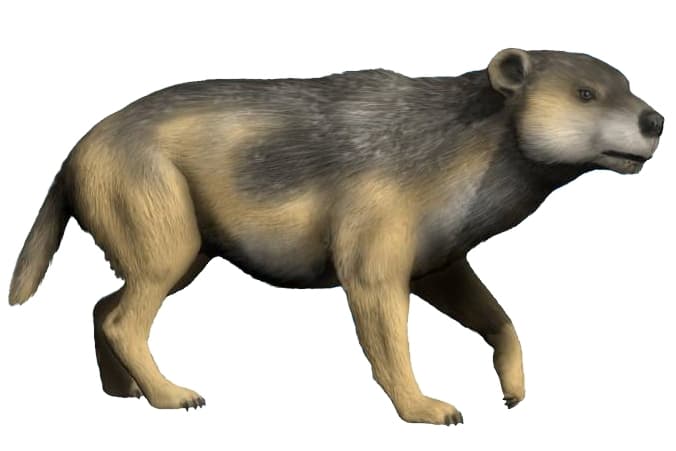
Cephalogale
Cephalogale was an extinct genus of hemicyonine bear that inhabited North America and Europe during the Oligocene and Early Miocene epochs, approximately 28.4 to 20 million years ago. Previously considered an ancestor to all bears, it is now understood to be closely related to the ancestry of hemicyonines.
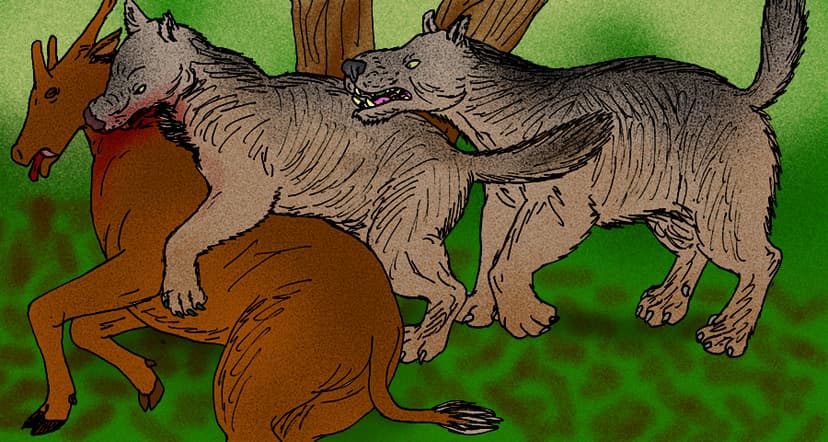
Hemicyoninae
Hemicyoninae, often referred to as dog bears, were an extinct subfamily of Ursidae that existed from the Oligocene through the Miocene epochs. These bear-like carnivorans inhabited parts of Europe, North America, Africa, and Asia, and are notable for their long evolutionary history, spanning approximately 28.6 million years.

Cave Bear
The cave bear (Ursus spelaeus) was a prehistoric species of bear that inhabited Europe and Asia during the Pleistocene epoch, going extinct approximately 24,000 years ago. Named for the prevalence of their remains found in caves, they are believed to have spent more time in these sheltered environments than modern bears, often using them for hibernation. Distinctive for their large size and a predominantly herbivorous diet, cave bears displayed significant variability in size, morphology, and genetics.