
U. deningeri
Mammal, Carnivora, Ursidae·Omnivore (primarily herbivorous with some carnivorous behavior)
Ursus deningeri, also known as Deninger's bear, is an extinct species of bear that inhabited Eurasia during the late Early Pleistocene to the Middle Pleistocene epochs. It is recognized as the earliest member of the cave bear lineage and is widely considered the ancestor of later cave bears, distinguished by its generally smaller size and less robust skeletal features compared to its descendants.
Key Facts
- ›Native to Eurasia from the late Early Pleistocene to the Middle Pleistocene.
- ›Considered the earliest member and ancestor of later cave bears.
- ›Generally smaller than Late Pleistocene cave bears, with less stout canine teeth and metapodial bones.
- ›Exhibited sexual dimorphism, with males being approximately twice the size of females.
- ›Diet likely included abrasive plant matter like tubers and nuts, supplemented by some carnivorous behavior.
- ›Fossil remains have been found across northern Eurasia, including Europe and Central Asia.

Terrestrial
Eurasia
Digging, Prising
About U. deningeri
Ursus deningeri: The Ancient Ancestor of Cave Bears
Ursus deningeri, commonly known as Deninger's bear, is an extinct species of bear that roamed Eurasia from the late Early Pleistocene to the Middle Pleistocene epochs. This ancient bear holds significant evolutionary importance as it is widely recognized as the earliest member of the cave bear lineage and the direct ancestor to the later, more specialized cave bears. Its fossil record provides crucial insights into the early evolution of bears in the region.
Evolutionary Context
Ursus deningeri is believed to have evolved from Ursus etruscus, a species also considered an ancestor of the modern brown bear (Ursus arctos) and potentially the polar bear. While some debate exists regarding intermediate species, the genetic divergence between the ancestral lines leading to cave bears and those of brown and polar bears is estimated to have occurred around 1.5 million years ago. The earliest fossil evidence of U. deningeri dates to approximately 1.2 to 0.8 million years ago, with its presence most extensively documented throughout the Middle Pleistocene.
Physical Characteristics
Compared to its Late Pleistocene descendants, Ursus deningeri generally presented a smaller physique. Its canine teeth and metapodial bones of the foot were less robust. While possessing a characteristically domed skull, this feature was less pronounced than in later cave bears. The palate of the skull was also more curved. A notable aspect of its biology was sexual dimorphism; males were approximately twice the size of females, indicating significant differences in their roles or ecological niches.
Diet and Ecology
Analysis of dental wear patterns on U. deningeri fossils suggests a diet heavily reliant on abrasive plant matter, such as tubers and nuts, likely accompanied by grit from the surrounding soil. This dietary preference aligns with its skeletal morphology, which indicates adaptations for digging and prying. However, isotopic analysis also points to a degree of carnivorous behavior, suggesting an opportunistic feeding strategy.
Geographic Distribution
Fossils of Ursus deningeri have been unearthed across a wide expanse of northern Eurasia. Its range extended from the western parts of Europe, including the Iberian Peninsula (notably from Sima de los Huesos in Spain) and Britain (such as the Cromer Forest Bed and Kents Cavern), eastward through Central Asia (including Kyrgyzstan). Significant sites are also found in Germany, Italy, Greece (Petralona Cave), Turkey (Yarımburgaz Cave), and Israel. While less common, probable remains have also been identified in East Asia, including northern China (Zhoukoudian cave).
Relationship with Early Humans
Evidence from several archaeological sites indicates that Ursus deningeri interacted with archaic human populations. At the Boxgrove site in England, dating to around 480,000 years ago, a fragment of a U. deningeri skull exhibits cut marks, suggesting it was defleshed or skinned, possibly for its pelt. Similarly, at the Medzhibozh locality in Ukraine, dating to approximately 400,000 years ago, a U. deningeri tibia displays fracturing and cut marks consistent with butchery, implying that these bears were a source of resources for early humans.
Source: Wikipedia ↗
Frequently Asked Questions
When did Ursus deningeri live?
Ursus deningeri lived during the late Early Pleistocene to the Middle Pleistocene epochs. The earliest fossils date to around 1.2 to 0.8 million years ago, with the species being most abundant during the subsequent Middle Pleistocene.
What is the evolutionary significance of Ursus deningeri?
Ursus deningeri is highly significant as it is widely considered the earliest member of the cave bear lineage and the direct ancestor of later cave bears. It is also thought to have evolved from Ursus etruscus.
How did Ursus deningeri differ from later cave bears?
Compared to later cave bears, Ursus deningeri was generally smaller, possessed less stout canine teeth and metapodial bones, and had a more curved palate. While it had a domed skull, this feature was less pronounced than in subsequent cave bear species.
What did Ursus deningeri eat?
Analysis of dental wear suggests a diet rich in abrasive plant materials such as tubers and nuts, likely including grit found with these foods. Isotopic analysis also indicates that they were not exclusively herbivorous and likely engaged in some form of carnivory.
Where have fossils of Ursus deningeri been found?
Fossils of Ursus deningeri have been discovered across northern Eurasia. This includes significant finds in Europe, such as the Iberian Peninsula, Britain, Germany, Italy, and Greece, as well as in Turkey, Central Asia, and parts of China.
Did humans interact with Ursus deningeri?
Evidence suggests that archaic humans utilized Ursus deningeri. Cut marks on fossilized remains from sites in England and Ukraine indicate that these bears may have been defleshed or skinned, possibly for their pelts or other resources.
Related Bears
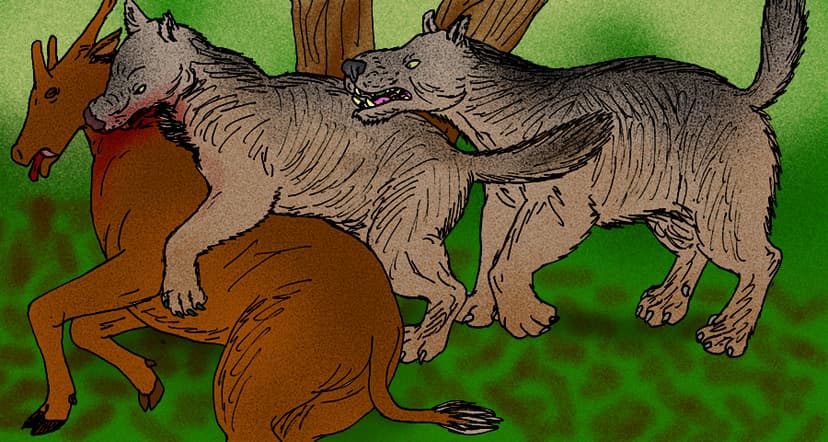
Hemicyoninae
Hemicyoninae, often referred to as dog bears, were an extinct subfamily of Ursidae that existed from the Oligocene through the Miocene epochs. These bear-like carnivorans inhabited parts of Europe, North America, Africa, and Asia, and are notable for their long evolutionary history, spanning approximately 28.6 million years.

Cave Bear
The cave bear (Ursus spelaeus) was a prehistoric species of bear that inhabited Europe and Asia during the Pleistocene epoch, going extinct approximately 24,000 years ago. Named for the prevalence of their remains found in caves, they are believed to have spent more time in these sheltered environments than modern bears, often using them for hibernation. Distinctive for their large size and a predominantly herbivorous diet, cave bears displayed significant variability in size, morphology, and genetics.
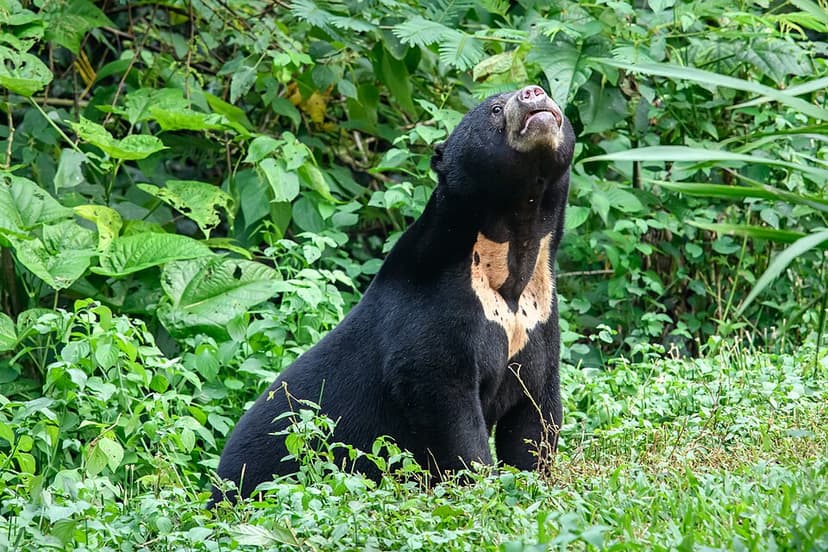
Helarctos
The sun bear (Helarctos malayanus) is the smallest bear species, native to the tropical forests of Southeast Asia. Distinctive for its short, jet-black fur and a characteristic orange to cream-colored chest patch, it is highly adapted for an arboreal lifestyle. Facing significant threats from deforestation and poaching, its population has seen a considerable decline.