
Darjeeling caecilians
The Darjeeling caecilian, scientifically known as Ichthyophis sikkimensis, is a species of amphibian native to the Himalayan foothills of India, Nepal, and potentially Bhutan. This burrowing amphibian is characterized by its elongated, worm-like body and smooth, moist skin, typically found in damp soil and leaf litter.
Key Facts
- ›Found in India (Sikkim and West Bengal), Nepal, and possibly Bhutan.
- ›Described by Edward Harrison Taylor in 1960.
- ›Belongs to the Ichthyophiidae family of caecilians.
- ›Primarily a fossorial (burrowing) species.
- ›Possesses an elongated, worm-like body with smooth, moist skin.
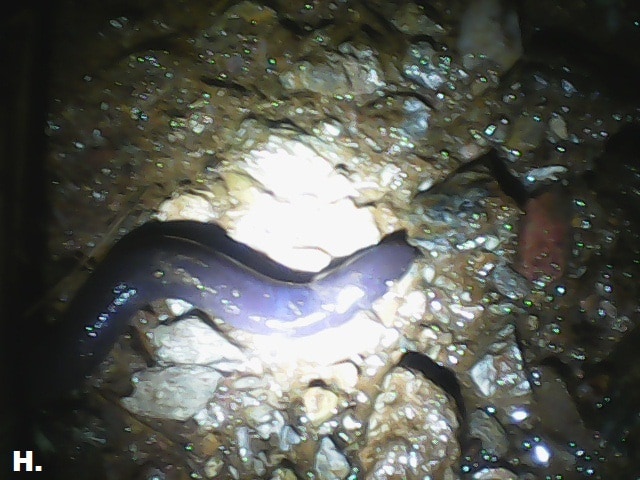
Damp Soil, Leaf Litter
Sikkimese Caecilian
About Darjeeling caecilians
What is known about Darjeeling caecilians
The Darjeeling caecilian, scientifically recognized as Ichthyophis sikkimensis, is a species of amphibian belonging to the caecilian order. It is known to inhabit the Himalayan region, with verified populations in India, specifically in the states of Sikkim and West Bengal. Its known range also extends into Nepal, and there is a possibility of its presence in Bhutan.
This species was formally described by Edward Harrison Taylor in 1960. As a member of the Ichthyophiidae family, it shares characteristics with other limbless amphibians. The Darjeeling caecilian is primarily a fossorial creature, meaning it spends most of its life burrowing in the ground. Its habitat typically consists of damp soil and leaf litter, where it can find moisture and seek shelter.
Limited information is available in the historical record regarding the specific diet, reproductive strategies, or average lifespan of the Darjeeling caecilian. Its physical description aligns with that of other caecilians, featuring an elongated, worm-like body and smooth, moist skin, adapted for its subterranean existence. Further research is needed to fully understand the ecological role and conservation status of this species.
Source: Wikipedia ↗
Frequently Asked Questions
What is the scientific name of the Darjeeling caecilian?
The scientific name of the Darjeeling caecilian is Ichthyophis sikkimensis.
Where are Darjeeling caecilians found?
Darjeeling caecilians are found in India, specifically in Sikkim and West Bengal. They are also known to inhabit Nepal and may possibly be found in Bhutan.
When was the Darjeeling caecilian first described?
The Darjeeling caecilian was first described by Edward Harrison Taylor in the year 1960.
What is the typical habitat of this caecilian species?
As a fossorial species, the Darjeeling caecilian lives in damp soil and leaf litter. These environments provide the moisture and cover necessary for their burrowing lifestyle.
Related Caecilian species
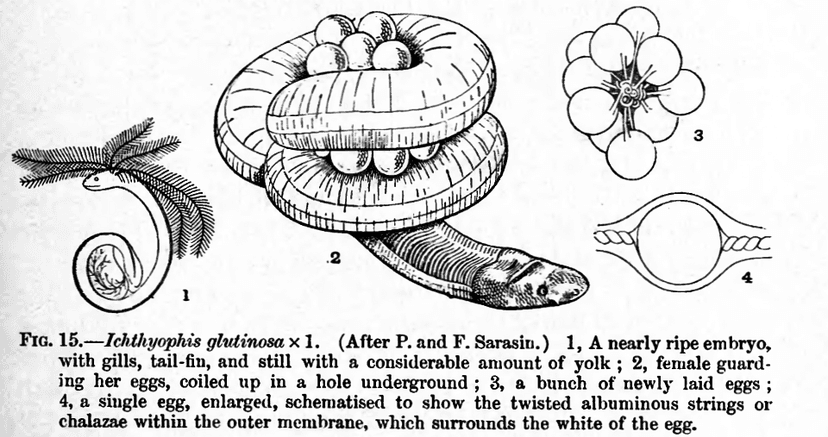
Common yellow-banded caecilian
The Common yellow-banded caecilian, also known as the Ceylon caecilian, is a species of caecilian endemic to Sri Lanka. It is characterized by its earthworm-like appearance, with steely blue and pale yellow coloration and a distinctive yellow band along its sides. This adaptable species inhabits moist tropical and subtropical forests and pastures, where it burrows in damp earth or leaf litter.

Caecilia tentaculata
Caecilia tentaculata is a species of caecilian, a type of limbless amphibian, belonging to the Caeciliidae family. This species is native to the neotropical region, inhabiting moist forests, plantations, and gardens across several South American countries. It is distinguished by its serpentine body and its adaptation to both terrestrial and semi-aquatic environments, though it is primarily fossorial.

Chthonerpeton exile
Chthonerpeton exile is a species of caecilian found exclusively in Brazil, known only from a single, now-lost specimen. Its specific name, 'exile', reflects its slender and delicate body shape, and it is also known by the common name Bahia caecilian. Little is documented about its habitat or population status.