
Atlascopcosaurus
Atlascopcosaurus is a genus of herbivorous dinosaur that lived during the Early Cretaceous period in what is now Australia. Based on related species, it is inferred to have been a small, bipedal herbivore.
Key Facts
- ›Lived during the Early Cretaceous period.
- ›Discovered in Victoria, Australia.
- ›Estimated to be 2-3 meters long.
- ›Estimated to weigh approximately 125 kg.
- ›Its diet was herbivorous.
- ›Classified as a basal iguanodont dinosaur.
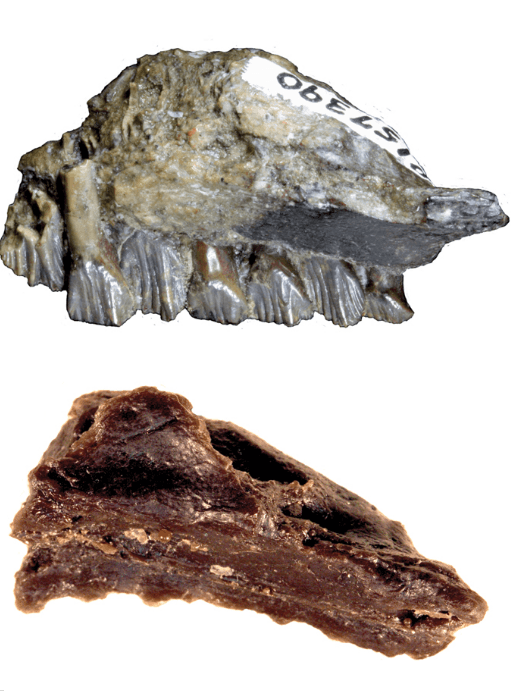
Small Bipedal Herbivore, Estimated Length: 2-3 Meters, Estimated Weight: 125 kg, Possessed Teeth and A Maxilla
Anabisetia, Gasparinisaura, Qantassaurus
Australia
About Atlascopcosaurus
Atlascopcosaurus is a genus of herbivorous dinosaur that roamed the Earth during the Early Cretaceous period. Fossils of this dinosaur have been discovered in Victoria, Australia, specifically within the Eumeralla Formation. While much of its skeleton remains unknown, paleontological inferences suggest it was a small, bipedal herbivore.
Discovery and Naming
The type specimen of Atlascopcosaurus was unearthed in 1984 at the Dinosaur Cove East site. The holotype consists of a partial upper jaw, a maxilla with teeth, and other referred specimens include teeth, another maxilla, and dentaries. The genus, Atlascopcosaurus, was formally named and described by Tom Rich and Patricia Vickers-Rich in 1989. The generic name is a tribute to the Atlas Copco Company, which supplied equipment crucial for the excavation that led to its discovery. The specific name, loadsi, was chosen to honor William Loads, the state manager for Atlas Copco who provided assistance during the dig.
Physical Characteristics and Classification
By extrapolating from closely related species, it is estimated that Atlascopcosaurus loadsi measured approximately two to three meters in length and weighed around 125 kilograms. Initially assigned to the Hypsilophodontidae family by its describers, this classification has since been debated. Subsequent cladistic studies have questioned the validity of Hypsilophodontidae as a monophyletic group. Some researchers have considered Atlascopcosaurus a nomen dubium due to the limited and non-species-specific nature of its dental and maxillary fossils, noting similarities with Patagonian elasmarians like Anabisetia and Gasparinisaura. However, other analyses have maintained the genus as valid, placing it as a basal member of Ornithopoda, within a clade that includes Anabisetia, Gasparinisaura, and Qantassaurus, and also as a basal member of Iguanodontia.
Source: Wikipedia ↗
Frequently Asked Questions
What does the name Atlascopcosaurus mean?
The genus name Atlascopcosaurus honors the Atlas Copco Company, which provided excavation equipment for the dig where the dinosaur was discovered. The specific name, loadsi, honors William Loads, the state manager for Atlas Copco at the time.
When did Atlascopcosaurus live?
Atlascopcosaurus lived during the Early Cretaceous period, specifically in the Aptian-Albian stages.
Where were Atlascopcosaurus fossils found?
Fossils of Atlascopcosaurus were found at the Dinosaur Cove East site on the coast of Victoria, Australia.
What did Atlascopcosaurus eat?
Atlascopcosaurus is classified as a herbivorous dinosaur, meaning it primarily ate plants.
How large was Atlascopcosaurus?
Estimates suggest Atlascopcosaurus was about two to three meters long and weighed approximately 125 kilograms.
Related Dinosaur species

Diluvicursor
Diluvicursor, meaning "flood runner," was a small ornithischian dinosaur that lived in Australia during the Early Cretaceous period. Known from a partial juvenile skeleton and a caudal vertebra, this dinosaur is estimated to have been around 1.2 meters long as a juvenile and potentially up to 2.3 meters as an adult. Its diet likely consisted of plants such as flowers, seeds, and mosses.

Archaeoceratops
Archaeoceratops was a small, bipedal herbivorous dinosaur from the Early Cretaceous period of north central China. Meaning "ancient horned face," it possessed a relatively large head with a small bony frill but lacked the prominent horns seen in later ceratopsians. It is considered the first basal neoceratopsian discovered in its region.

Beipiaosaurus
Beipiaosaurus is a genus of therizinosauroid theropod dinosaur that lived in China during the Early Cretaceous period. Known for its distinctive primitive plumage, Beipiaosaurus was a relatively small dinosaur, measuring about 2.2 meters in length and weighing approximately 27 kilograms. Its classification as a theropod, despite herbivorous-like features, helped solidify the placement of therizinosaurs within the Theropoda.