
Deep Bay
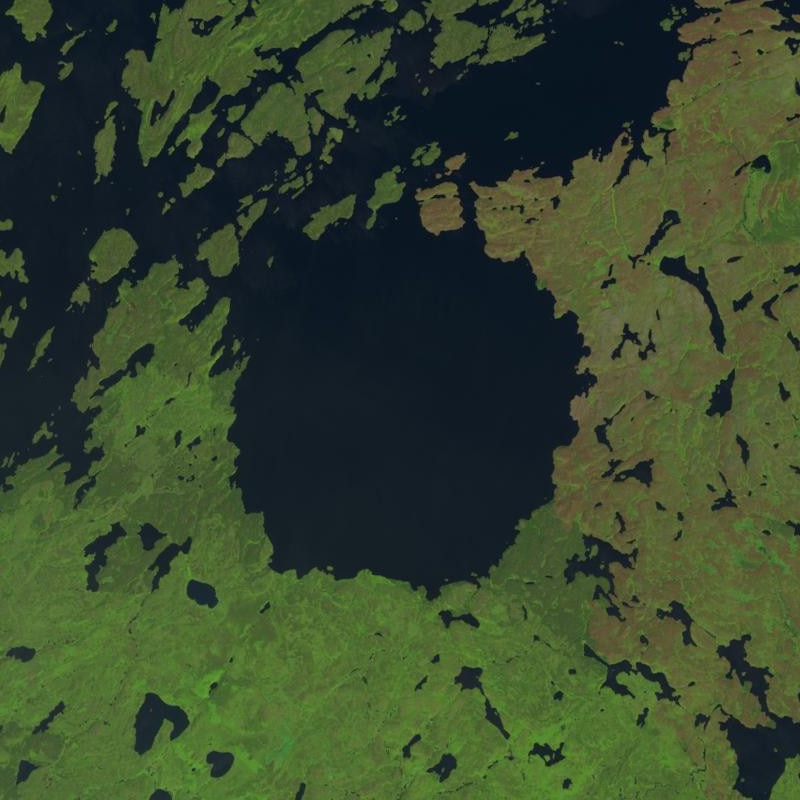
Deep Bay is a remarkably circular and deep bay located near the southwestern tip of Reindeer Lake in Saskatchewan, Canada. It is the deepest body of water in the province and was formed by a 13 km wide impact crater estimated to be 99 ± 4 million years old.
Key Facts
- ›Deep Bay is a 13 km wide impact crater.
- ›The crater is estimated to be 99 ± 4 million years old.
- ›It is the deepest body of water in Saskatchewan, reaching 220 meters.
- ›The bay is strikingly circular in an otherwise irregular and shallow lake.
- ›The impact event occurred during the Cretaceous geological period.
- ›It is located in Saskatchewan, Canada.
Gow Crater, Carswell Impact Structure
About Deep Bay
Deep Bay Impact Crater
Deep Bay is a significant geological feature located near the southwestern tip of Reindeer Lake in Saskatchewan, Canada. It is characterized by its striking circular shape and exceptional depth, making it the deepest body of water in the province, reaching 220 meters.
Formation and Age
The bay is the submerged remnant of a 13 km wide impact crater. Scientific estimates place the age of this impact event at approximately 99 ± 4 million years ago, during the Cretaceous geological period. This makes Deep Bay a relatively young impact structure in geological terms.
Geological Context
Deep Bay is situated within a region that contains other notable impact structures. The smaller Gow crater, dating back to the Triassic period, lies about 90 km to the west. To the northwest, the Carswell impact structure, also from the Cretaceous period, further highlights the impact history of the area.
Significance
The circular morphology and considerable depth of Deep Bay make it a subject of interest for geologists and a unique natural landmark. Its existence offers insights into the impact history of Earth and the geological processes that shape landscapes over millions of years.
Source: Wikipedia ↗
Frequently Asked Questions
What is Deep Bay?
Deep Bay is a bay located near the southwestern tip of Reindeer Lake in Saskatchewan, Canada. It is notable for its striking circular shape and exceptional depth.
How was Deep Bay formed?
Deep Bay was formed by a meteorite impact that created a 13 km wide impact crater. The bay itself is the submerged depression of this ancient crater.
How old is the Deep Bay impact crater?
The age of the Deep Bay impact crater is estimated to be 99 ± 4 million years old. This places the impact event within the Cretaceous geological period.
What is the significance of Deep Bay's depth?
Deep Bay is the deepest body of water in Saskatchewan, reaching a depth of 220 meters. This remarkable depth is a direct result of the impact crater's formation.
Are there other impact craters near Deep Bay?
Yes, the smaller Gow crater, which is of Triassic age, is located approximately 90 km west of the Deep Bay crater. Additionally, the Carswell impact structure, also from the Cretaceous period, is situated to the northwest.
Related Impact Craters

Morasko
Morasko is a meteorite nature reserve in Poznań, Poland, notable for containing seven impact craters formed approximately 5,000 years ago. The largest crater measures about 100 meters in diameter and 11 meters deep, with five of the craters containing lakes. The site has yielded numerous meteorite fragments, including significant finds in 1956, 2006, and 2012.

Gosses Bluff
Gosses Bluff is the eroded remnant of a significant impact crater located in Australia's southern Northern Territory. Estimated to have formed around 142.5 million years ago from an asteroid or comet impact, its original 22 km diameter rim is now gone, leaving a 5 km wide central uplift structure. Known as Tnorala to the Western Arrernte people, it holds deep cultural and spiritual significance.
Manson
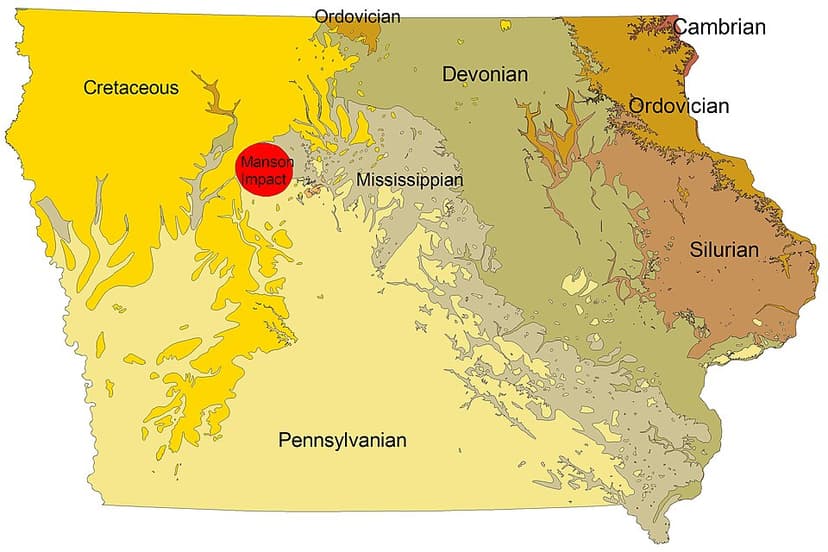
The Manson impact structure is a large, buried impact crater in Iowa, formed approximately 74 million years ago by an asteroid or comet. Despite its significant size and historical consideration for a role in the dinosaur extinction, its surface evidence is obscured by glacial till, making it a hidden geological feature.