
Blanidae
Blanus·Blanidae
Blanus, commonly known as worm lizards, is a genus of amphisbaenians adapted for a subterranean lifestyle. These lizards are characterized by their long, slender bodies, reduced limbs, and powerful skulls designed for burrowing. They are found across the Mediterranean region of Europe and North Africa.
Key Facts
- ›Blanus species are adapted for a subterranean existence.
- ›They possess long, slender bodies, reduced limbs, and rudimentary eyes.
- ›Their skulls are powerfully constructed for burrowing.
- ›Jaws are well-developed with large, recurved teeth, including canine-like teeth.
- ›The genus is found in the Mediterranean region of Europe and North Africa.
- ›Four to seven extant species are currently recognized.
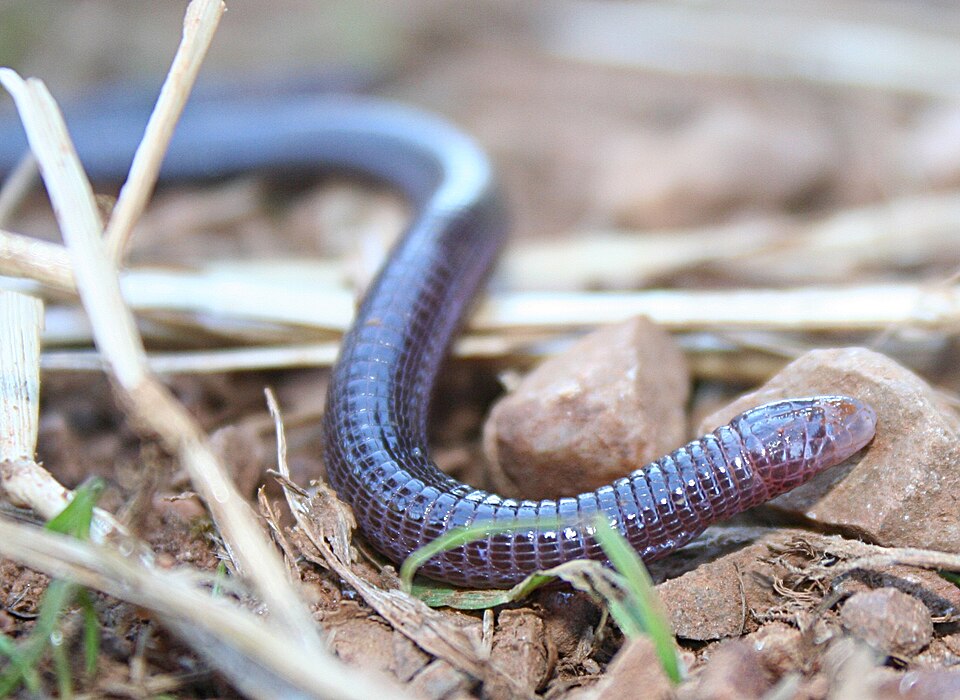
Worm Lizards
Mediterranean Region, Europe, North Africa
Long, Slender Bodies, Reduced Limbs, Rudimentary Eyes, Powerfully Constructed Skulls, Well-Developed Jaws, Large, Recurved Teeth, Pair of Canine-Like Teeth In the Upper Jaw
Specialized For Subterranean Existence, Burrowing Behavior
About Blanidae
Blanus
Blanus, commonly referred to as worm lizards, represents a genus of amphisbaenians uniquely adapted for a subterranean existence. These reptiles are characterized by their elongated, slender bodies, significantly reduced limbs, and rudimentary eyes, all features that facilitate their life underground. Their skulls are robust and powerfully constructed, enabling them to effectively push through soil and create their burrows.
Physical Adaptations
The jaws of Blanus lizards are well-developed, equipped with large, recurved teeth. A distinctive feature is the presence of a pair of canine-like teeth within the upper jaw, likely aiding in prey capture or defense. These physical attributes are crucial for their survival in their soil-dwelling environment.
Distribution and Taxonomy
Species within the Blanus genus are found across the Mediterranean region, inhabiting areas in both Europe and North Africa. The precise evolutionary relationships of Blanus to other worm-lizard groups are still a subject of scientific inquiry. While historically placed within the family Amphisbaenidae, more recent analyses suggest that blanids might represent a more primitive lineage, possibly related to the genus Bipes or an even more ancient evolutionary branch. Currently, between four and seven extant species are recognized, with fossil evidence also referring to Blanus or the broader Blanidae family.
Source: Wikipedia ↗
Frequently Asked Questions
What are Blanus lizards known for?
Blanus lizards are known as worm lizards, distinguished by their specialized adaptations for a life underground. They have long, slender bodies, reduced limbs, and strong skulls that enable them to burrow through soil.
Where are Blanus lizards found?
This genus of amphisbaenians is native to the Mediterranean region, with populations found across parts of Europe and North Africa.
What are the physical characteristics of Blanus lizards?
Blanus lizards have long, slender bodies, very reduced or absent limbs, and rudimentary eyes. Their skulls are robust and powerful, and they possess well-developed jaws with large, recurved teeth, including prominent canine-like teeth in the upper jaw.
How many species of Blanus are there?
Currently, there are between four and seven extant species recognized within the Blanus genus. Fossil species have also been identified and referred to this genus or its family.
What is the scientific classification of Blanus?
Blanus belongs to the order Squamata and the infraorder Amphisbaenia. While formerly placed in the family Amphisbaenidae, more recent analyses suggest they may represent a more primitive lineage or be related to the genus Bipes.
Related Lizards
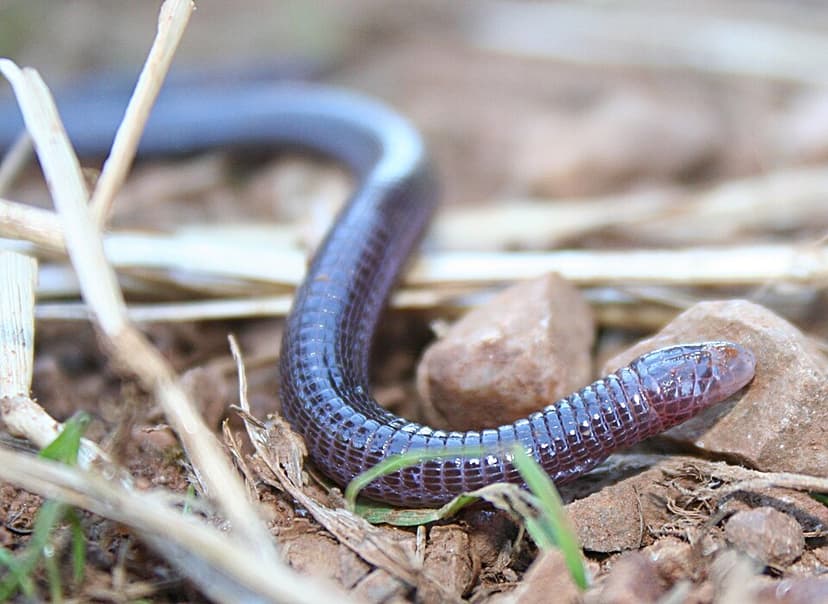
Blanus
Blanus, commonly known as worm lizards, are a genus of amphisbaenians adapted for a subterranean life in the Mediterranean region. They possess long, slender bodies, reduced limbs, and rudimentary eyes, with powerful skulls and jaws designed for burrowing through soil. The genus contains several extant species, though their exact evolutionary relationships to other worm lizards are still under investigation.

Toeless snake skink
The toeless snake skink (Nessia monodactyla), also referred to as the one-toed nessia, is a species of skink found exclusively on the island of Sri Lanka. This slender, legless reptile inhabits montane forests, typically found under rubble, decaying logs, or within soil. Its diet consists primarily of insects.

Amphisbaena alba
Amphisbaena alba, also known as the red worm lizard, is a species of amphisbaenian found across a large portion of South America. Despite its extensive range, much of its ecology remains poorly understood due to its secretive nature. This species exhibits a varied diet and possesses a unique defensive posture involving its horseshoe-shaped body and a tough, collagen-rich tail.