
Blanus
Blanus·Blanidae
Blanus, commonly known as worm lizards, are a genus of amphisbaenians adapted for a subterranean life in the Mediterranean region. They possess long, slender bodies, reduced limbs, and rudimentary eyes, with powerful skulls and jaws designed for burrowing through soil. The genus contains several extant species, though their exact evolutionary relationships to other worm lizards are still under investigation.
Key Facts
- ›Blanus species are specialized for a subterranean existence.
- ›They have long, slender bodies, reduced limbs, and rudimentary eyes.
- ›Their skulls are powerfully constructed for burrowing.
- ›Jaws are well-developed with large, recurved teeth.
- ›The genus is found in the Mediterranean region of Europe and North Africa.
- ›Four to seven extant species are currently recognized.
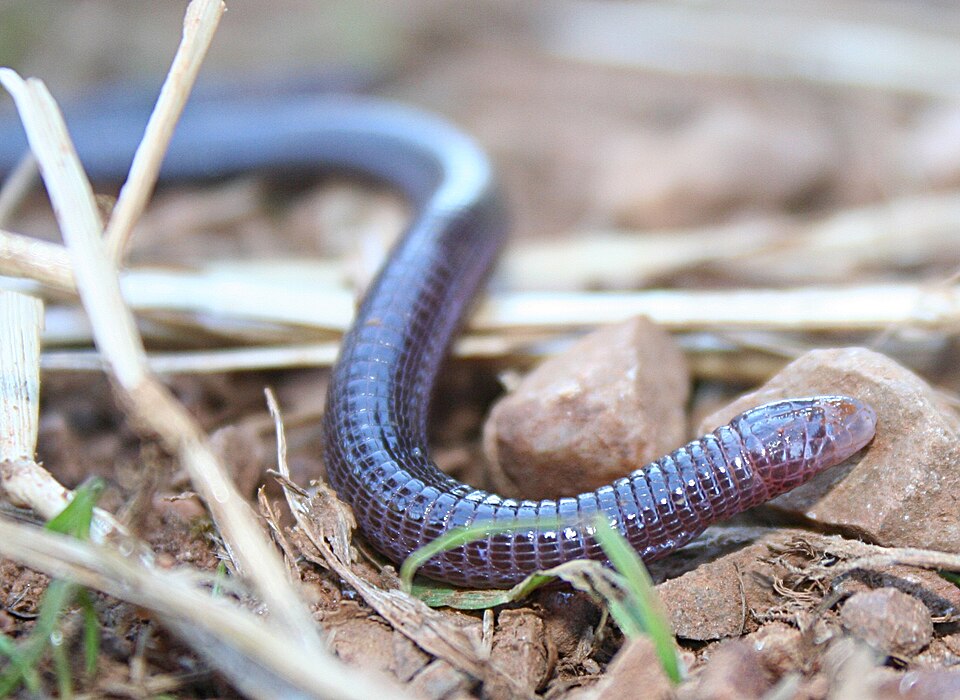
Worm Lizards
Mediterranean Region, Europe, North Africa
- Long, Slender Bodies
- Reduced Limbs
- Rudimentary Eyes
- Powerfully Constructed Skulls For Burrowing
- Well-Developed Jaws With Large, Recurved Teeth
- Pair of Canine-Like Teeth In the Upper Jaw
Specialized For Subterranean Existence, Burrowing Through Soil
About Blanus
The genus Blanus, commonly referred to as worm lizards, represents a group of amphisbaenians uniquely adapted for a subterranean lifestyle. These reptiles are endemic to the Mediterranean region, inhabiting parts of Europe and North Africa. Their morphology reflects their specialized burrowing habits, featuring long, slender bodies, greatly reduced limbs, and rudimentary eyes that are largely insensitive to light.
Physical Adaptations for Burrowing
A key characteristic of Blanus species is their powerfully constructed skulls and robust jaws, which are essential tools for excavating tunnels through soil. The jaws are equipped with large, recurved teeth, including a pair of prominent canine-like teeth in the upper jaw, likely used for grasping prey or manipulating soil. These physical attributes enable them to efficiently navigate and create their underground habitats.
Taxonomy and Evolution
Currently, between four and seven extant species are recognized within the genus Blanus. The exact evolutionary position of Blanus and the Blanidae family within the broader amphisbaenian phylogeny remains an active area of research. While historically placed within the Amphisbaenidae family, more recent analyses suggest that blanids may represent a more primitive lineage, possibly related to the genus Bipes, or an even more ancient branch of amphisbaenian evolution. Fossil discoveries in Europe have also been attributed to Blanus or the Blanidae, providing further clues to their evolutionary history.
Source: Wikipedia ↗
Frequently Asked Questions
What are Blanus, also known as worm lizards?
Blanus, also known as worm lizards, are a genus of amphisbaenians. They are specifically adapted for living underground in the Mediterranean region of Europe and North Africa.
What are the physical characteristics of Blanus species?
These lizards have long, slender bodies and significantly reduced limbs. Their eyes are rudimentary, and their skulls are robust, enabling them to push through soil. They also have well-developed jaws equipped with large, recurved teeth.
Where are Blanus species found?
The genus Blanus is naturally found in the Mediterranean region, spanning parts of Europe and North Africa.
How many species of Blanus are there?
Currently, four to seven extant species of Blanus are known. The exact number can vary slightly based on ongoing taxonomic research.
What is the evolutionary relationship of Blanus to other worm lizards?
The precise evolutionary relationships of Blanus to other worm-lizards are not fully clear. More recent analyses suggest that blanids might be more primitive or represent an ancient lineage within amphisbaenians.
Related Lizards
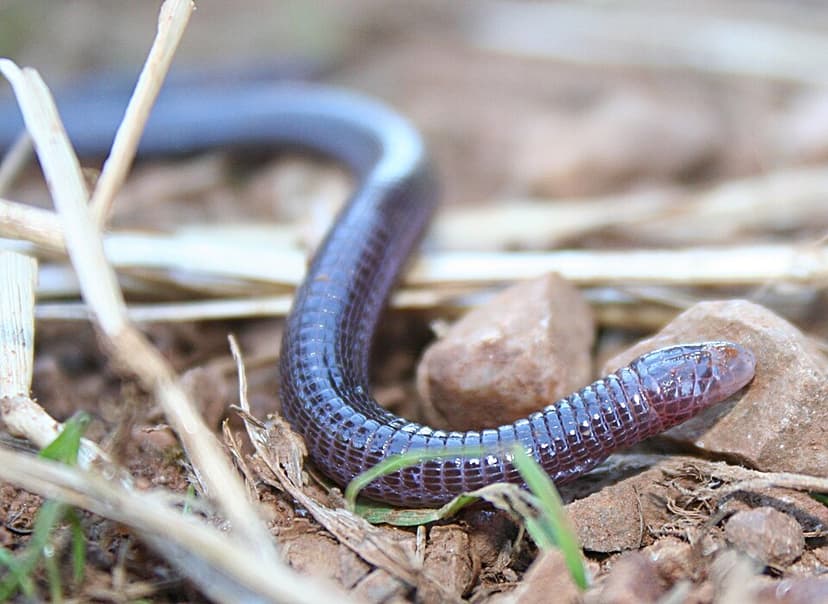
Blanidae
Blanus, commonly known as worm lizards, is a genus of amphisbaenians adapted for a subterranean lifestyle. These lizards are characterized by their long, slender bodies, reduced limbs, and powerful skulls designed for burrowing. They are found across the Mediterranean region of Europe and North Africa.

Toeless snake skink
The toeless snake skink (Nessia monodactyla), also referred to as the one-toed nessia, is a species of skink found exclusively on the island of Sri Lanka. This slender, legless reptile inhabits montane forests, typically found under rubble, decaying logs, or within soil. Its diet consists primarily of insects.

Amphisbaena alba
Amphisbaena alba, also known as the red worm lizard, is a species of amphisbaenian found across a large portion of South America. Despite its extensive range, much of its ecology remains poorly understood due to its secretive nature. This species exhibits a varied diet and possesses a unique defensive posture involving its horseshoe-shaped body and a tough, collagen-rich tail.