
Eastern slowworm
The Eastern slow worm (Anguis colchica) is a legless lizard found across eastern and northern Europe and Asia. It inhabits forest edges, clearings, and shrub vegetation, often utilizing stone piles or rodent burrows for shelter. This species is primarily crepuscular and feeds on invertebrates like earthworms and slugs.
Key Facts
- ›Native to eastern and northern Europe and Asia.
- ›Inhabits forest edges, clearings, and shrubby areas.
- ›Primarily crepuscular, meaning active at dawn and dusk.
- ›Diet consists of earthworms, slugs, and insect larvae.
- ›Hibernates through winter, typically from MID-October.
- ›Classified as Least Concern by the IUCN.
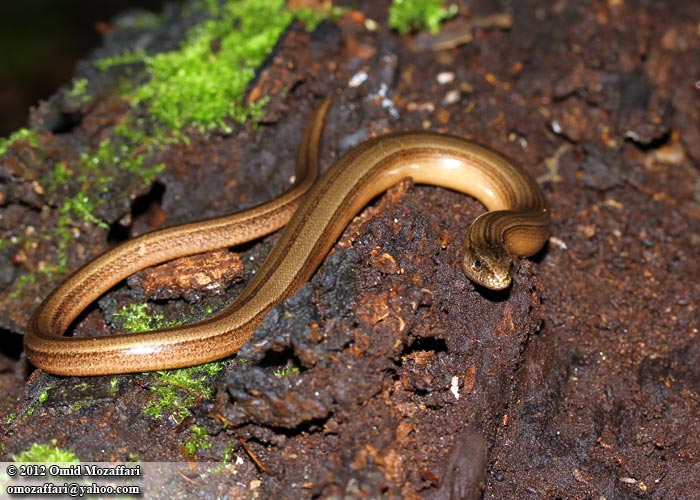
Eastern Slow Worm
Eastern Europe, Northern Europe, Asia
Forest Edges, Forest Clearings, Shrub Vegetation, Gardens
- Legless Lizard.
- Easily Confused With the Common Slow Worm Due To Physical Similarities.
Earthworms, Slugs, Insect Larvae
- Mostly Crepuscular .
- Sometimes Active During the Daytime, Especially After Rain.
- Utilize Stone Piles, Stone Fences, Coarse Woody Debris, and Rodent Burrows As Hiding Places.
- Hibernate During Winter.
About Eastern slowworm
Eastern Slow Worm
The Eastern slow worm, scientifically known as Anguis colchica, is a species of legless lizard belonging to the Anguidae family. It is found across a broad range encompassing eastern and northern Europe and parts of Asia. This species is often mistaken for the common slow worm due to their similar physical appearance and the proximity of their geographical distributions.
Habitat and Behavior
Eastern slow worms primarily inhabit areas characterized by partially closed forest or shrub vegetation. They are most frequently observed at the edges of forests, in forest clearings, and occasionally along tourist trails where they can bask in the sun. These lizards utilize various natural shelters, including stone piles, stone fences, coarse woody debris, and the burrows of rodents, for refuge. They are also known to venture into gardens situated close to their natural habitats.
Behaviorally, the Eastern slow worm is predominantly crepuscular, meaning it is most active during the twilight hours of dawn and dusk. However, they can sometimes be observed active during daylight, particularly following rainfall. Their diet consists of small, slow-moving invertebrates such as earthworms, slugs, and insect larvae. The mating season for this species typically spans from late April to early June. During the winter months, Eastern slow worms hibernate, seeking secluded spots under logs, roots, within rock crevices, or in rodent passages, usually beginning their hibernation in mid-October.
Taxonomy and Conservation
The Eastern slow worm is recognized as a distinct species within the slow worm species complex. Previously considered a subspecies, A. f. colchica, of the common slow worm, it has since been distinguished from related species like Anguis graeca, Anguis veronensis, and Anguis cephalonnica. According to the International Union for Conservation of Nature (IUCN), the Eastern slow worm is classified as Least Concern, indicating that it is not currently facing a significant threat of extinction in the wild.
Source: Wikipedia ↗
Frequently Asked Questions
What is the scientific name for the Eastern slow worm?
The scientific name for the Eastern slow worm is Anguis colchica. It was formerly considered a subspecies of the common slow worm before being recognized as a distinct species.
Where can the Eastern slow worm be found?
The Eastern slow worm is distributed across eastern and northern Europe and Asia. They prefer habitats with partially closed forest or shrub vegetation, often found at forest edges and clearings.
What does the Eastern slow worm eat?
The diet of the Eastern slow worm consists mainly of small, slow-moving invertebrates. This includes earthworms, slugs, and various insect larvae.
When do Eastern slow worms mate?
The mating season for the Eastern slow worm typically occurs between the end of April and the beginning of June. They are a legless lizard species within the Anguidae family.
How does the Eastern slow worm prepare for winter?
Eastern slow worms hibernate during the winter, usually starting in mid-October. They seek shelter under logs, roots, within rock crevices, or in abandoned rodent burrows.
What is the conservation status of the Eastern slow worm?
The Eastern slow worm is classified as Least Concern by the IUCN. This indicates that the species is not currently facing a high risk of extinction in the wild.
Related Lizards

Calumma brevicorne
The short-horned chameleon (Calumma brevicorne) is a species endemic to Madagascar, characterized by its compressed body, spindly limbs, and prehensile tail adapted for an arboreal lifestyle. Males possess a distinctive short bony rostral appendage on their snout and ear-like occipital lobes, which they raise when threatened. Generally grayish, its coloration can vary between sexes and regions, with males sometimes displaying lighter heads and greener specimens having blue legs.

Hokou gecko
The Hokou gecko (Gekko hokouensis) is a small, nocturnal, and insectivorous gecko found across parts of East Asia and introduced to several islands. It is characterized by shades of brown, grey, or tan with distinct darker cross-bands on its back and tail, and a unique scale near the base of its tail. This species plays a role in its ecosystem, primarily by consuming insects, and its reproductive cycle largely occurs during the summer months.

Furcifer oustaleti
The Malagasy giant chameleon (Furcifer oustaleti), also known as Oustalet's chameleon, is the world's largest chameleon species by length, reaching up to 68.5 cm. It is native to Madagascar and found in a wide array of habitats, from forests to urban areas, and is known for its variable coloration and diet that includes invertebrates, small vertebrates, and fruit.