
Podarcis atrata
The Columbretes wall lizard, scientifically known as Podarcis atrata, is a slender lizard characterized by its long tail, narrow head, and long toes. Its coloration is typically grey-brown with subtle spots and stripes, more prominent in females, and a cream or beige underside that may have a reddish hue. This species inhabits the northeastern Iberian Peninsula and parts of southern France.
Key Facts
- ›Slender build with a long tail, making up two-thirds of its total length.
- ›Adults typically measure 15–20 cm in total length.
- ›Coloration varies but is generally grey-brown with subtle dorsal and flank markings.
- ›Breeds in spring after emerging from hibernation.
- ›Lays 1-5 eggs, which hatch approximately 8 weeks later in early July.
- ›Lifespan is estimated to be around 4–5 years.
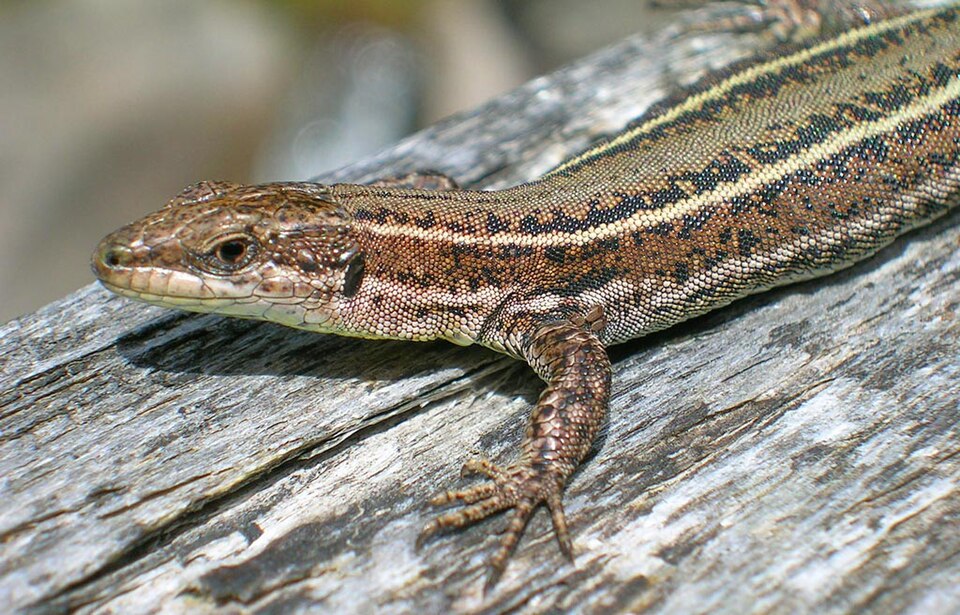
Columbretes Wall Lizard, Catalan Wall Lizard
Northeastern Iberian Peninsula, Southern France
- Slender Body
- Long Tail
- Narrow, Tapered Head
- Long, Thin Toes
- Stout Legs
- Coloration Generally Grey-Brown
- Subtle Spots and Stripes Along the Back and Flanks, More Distinguished In Females
- Underside Is Cream Or Beige, Sometimes With A Reddish Tint
Hibernates During Winter, Sexual Maturity Reached In the Second Year
About Podarcis atrata
Columbretes Wall Lizard (Podarcis atrata)
The Columbretes wall lizard, scientifically known as Podarcis atrata, is a species of lizard belonging to the genus Podarcis. Previously considered a subspecies of the Iberian wall lizard, it has since been recognized as a distinct species. This lizard is characterized by its slender build, long tail which makes up approximately two-thirds of its total length, a narrow, tapered head, and long, thin toes supported by stout legs.
Physical Characteristics
Adult Podarcis atrata typically measure between 15 and 20 centimeters from snout to tail tip. Their coloration is generally grey-brown, often adorned with subtle spots and stripes along the back and flanks, which tend to be more pronounced in females. The underside of the lizard is a lighter shade of cream or beige, occasionally exhibiting a reddish tint. The eggs laid by this species are small, measuring around 5x9 mm, and swell to approximately 8x15 mm during incubation.
Distribution and Habitat
This species is found in the northeastern Iberian Peninsula and extends into parts of southern France, particularly within the Pyrenees mountain range. They inhabit rocky environments and are often found concealed under stones, indicating a preference for terrestrial habitats where they can find shelter and basking spots.
Life Cycle and Reproduction
Podarcis atrata has a relatively short lifespan, typically ranging from 4 to 5 years. They reach sexual maturity in their second year. The breeding season occurs in the spring, following their winter hibernation. Females lay between 1 and 5 eggs in sheltered locations like rock crevices or beneath stones. The incubation period lasts for about 8 weeks, with hatching usually occurring in early July.
Source: Wikipedia ↗
Frequently Asked Questions
What are the common names for Podarcis atrata?
Podarcis atrata is commonly known as the Columbretes wall lizard or the Catalan wall lizard. These names reflect its geographic distribution and similarity to other wall lizards.
What is the typical size of an adult Columbretes wall lizard?
Adults of this species generally grow to a total length of 15 to 20 centimeters. The tail constitutes a significant portion of this length, making up about two-thirds of the total body size.
Where is Podarcis atrata found geographically?
The Columbretes wall lizard is naturally found in the northeastern part of the Iberian Peninsula. Its range also extends into southern France, particularly in areas of the Pyrenees.
What is the reproductive cycle of Podarcis atrata?
Breeding occurs in the spring following winter hibernation. The female lays 1 to 5 eggs, which are incubated for approximately 8 weeks before hatching in early July.
What is the average lifespan of this lizard species?
The typical lifespan for Podarcis atrata is around 4 to 5 years. They reach sexual maturity during their second year of life.
Related Lizards

Amphisbaena ridleyi
Amphisbaena ridleyi, also known as Ridley's worm lizard or the Noronha worm lizard, is a species unique to the island of Fernando de Noronha off the coast of Brazil. This legless reptile possesses a stout head with a broad snout and a tail that resembles its head, allowing it to move effectively in both directions. Its diet consists primarily of snails and other invertebrates, though it has also been observed climbing trees to feed on nectar during droughts.
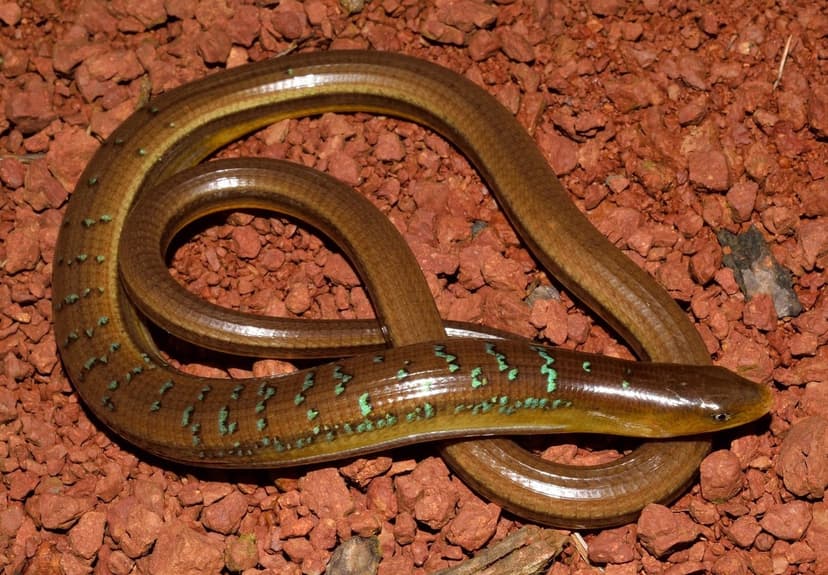
Burmese glass lizard
The Burmese glass lizard, also known as the Asian glass lizard or Indian glass snake, is a legless lizard species found across Southeast Asia and parts of South Asia. It is characterized by its smooth ventral scales, a slight keel on its dorsal scales, and a distinct lateral fold of skin that allows for expansion. This oviparous species likely inhabits dry areas and preys on small vertebrates.

European snake-eyed skink
The European snake-eyed skink, also known as the European copper skink, is a small, slender lizard native to Eastern Europe and Southwestern Asia. It is characterized by its bronze coloration and immovable eyelids, a feature distinguishing it from many other skinks. This shy species inhabits dry, open areas, preferring to live under stones and leaves, and is primarily active during twilight hours.