
Gnaphosidae
Active foraging and pursuit, using thick, gluey silk to entangle and immobilize prey.
Gnaphosidae, commonly known as ground spiders, represent the seventh largest family of spiders, encompassing approximately 2,500 described species across more than 100 genera worldwide. These spiders are characterized by their active hunting strategy, often using silk to entangle prey, and are found globally. They are closely related to Clubionidae and are known for their nocturnal foraging habits.
Key Facts
- ›Gnaphosidae is the seventh largest spider family with around 2,500 species.
- ›They are active foragers that hunt prey on the ground.
- ›Ground spiders use thick, gluey silk to entangle and subdue their prey.
- ›They are primarily nocturnal, hunting at night and resting in silken retreats during the day.
- ›The family is distributed worldwide, with over 100 genera documented.
- ›No ground spiders are currently known to be seriously venomous to humans.
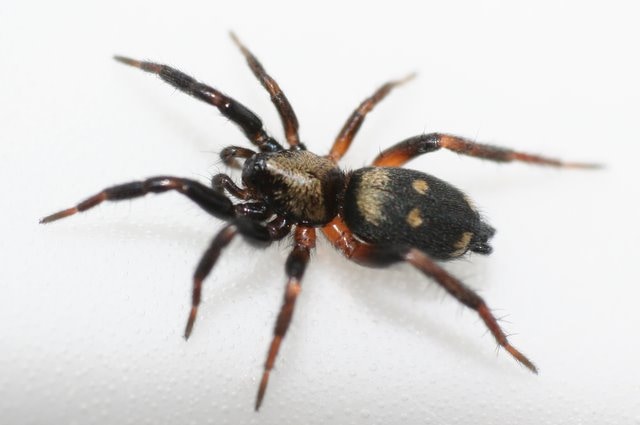
Ground Spiders
Worldwide
- Barrel-Shaped Anterior Spinnerets That Are One Spinneret Diameter Apart
- An Indentation In the Endites
Active Foragers, Hunt At Night, Rest In Silken Retreats During the Day, Guard Egg Sacs
About Gnaphosidae
Ground Spiders (Gnaphosidae)
Gnaphosidae, commonly referred to as ground spiders, constitute the seventh largest family within the order Araneae, boasting an extensive diversity with approximately 2,500 described species organized into over 100 genera. This family is distributed globally, with over 100 species cataloged in central Europe alone, and includes well-known genera such as Gnaphosa, Drassodes, and Micaria. Ground spiders are closely related to the Clubionidae family.
Hunting and Behavior
These spiders are characterized by their active foraging strategy, hunting by actively pursuing and subduing their prey. They are notably adapted to tackling large and potentially dangerous prey, including other spiders. Their hunting technique involves the production of thick, gluey silk from enlarged spinnerets, which they use to entangle their victims in swathing attacks, often applying the webbing to the prey's legs and mouthparts. This immobilization allows ground spiders to subdue creatures proportionally larger than themselves while minimizing the risk of injury.
Ground spiders are predominantly nocturnal, hunting during the night and seeking refuge in silken retreats during daylight hours. They are not web builders in the traditional sense for prey capture, instead relying on running prey down on the surface.
Description
General morphological characteristics of ground spiders include barrel-shaped anterior spinnerets that are spaced about one spinneret diameter apart, though the ant-mimicking genus Micaria presents an exception. Another consistent feature is an indentation present in the endites, which are the paired mouthparts situated anterior and lateral to the labium. The reproductive anatomy of ground spiders is notably diverse, offering valuable insights into the evolution of genitalia due to their unique copulatory mechanisms. The female spider diligently guards the thick-walled egg sacs until the spiderlings emerge.
Source: Wikipedia ↗
Frequently Asked Questions
What are ground spiders?
Ground spiders, belonging to the family Gnaphosidae, are a large and diverse group of spiders found across the globe. They are distinguished by their active hunting methods and their ability to produce thick silk to ensnare prey.
How do ground spiders hunt?
Ground spiders are active hunters that chase down their prey. They utilize thick, gluey silk from their enlarged spinnerets to entangle their victims, often swathing their legs and mouths to immobilize them before subduing them.
Are ground spiders dangerous to humans?
Currently, no ground spiders are known to be seriously venomous to humans. While they possess venom, their bites are not considered a significant medical concern.
Where are ground spiders found?
Gnaphosidae spiders are distributed worldwide, found in various habitats across the globe. Over 100 genera and approximately 2,500 species have been described, indicating a widespread presence.
What do ground spiders eat?
Ground spiders are predators that hunt by actively foraging for prey. They are known to subdue large and potentially dangerous prey, including other spiders, by entangling them with silk.
When are ground spiders most active?
Ground spiders are primarily nocturnal hunters. They hunt during the night and spend their days in silken retreats, likely to conserve energy and avoid diurnal predators.
Related Spider species
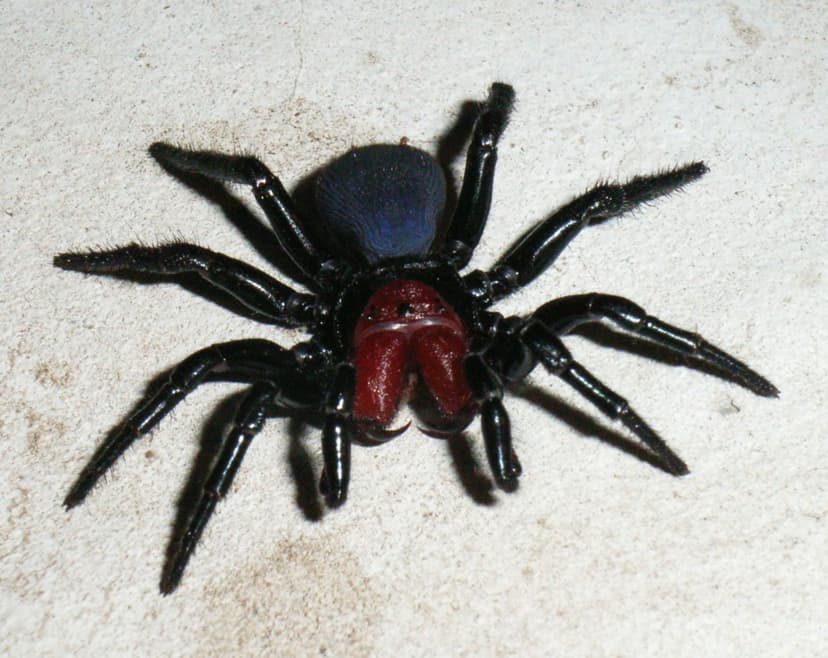
Actinopodidae
Actinopodidae is a family of mygalomorph spiders native to mainland Australia and South America, typically inhabiting open forests. This family includes the mouse spiders (Missulena species), which are notable for their medically significant and potentially dangerous bites.

Araneidae
The Araneidae, commonly known as orb-weaver spiders, are a widespread family of spiders renowned for constructing distinctive spiral wheel-shaped webs. Found globally, these spiders are characterized by their eight eyes, hairy or spiny legs, and the absence of stridulating organs. With nearly 5,000 described species, they represent one of the largest spider families, playing a significant role in controlling insect populations.
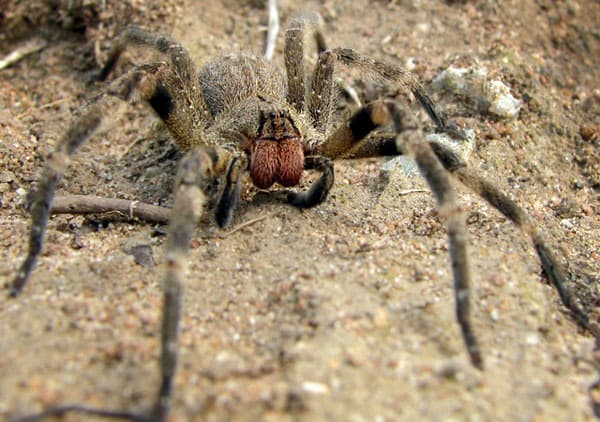
Ctenidae
Ctenidae, commonly known as wandering spiders, are a family of highly defensive and venomous nocturnal hunters. They are characterized by a distinctive longitudinal groove on the top-rear of their oval carapace. While many members are known for their potent venom, only a few species within the genus Phoneutria are confirmed to be hazardous to humans, though caution is advised for all larger ctenids due to poorly understood venoms.