
Linyphiidae
Sheet weavers build sheet webs, often in depressions or as filmy domes. The tiny members of the Erigoninae are builders of tiny sheet webs.
Linyphiidae, commonly known as sheet weavers or money spiders, is a diverse family of very small spiders with around 5,000 described species found globally. They are notable for their ability to "balloon" on silken threads to disperse and are considered beneficial in agriculture for controlling pest insects.
Key Facts
- ›Sheet weavers are the second largest spider family, after Salticidae, with approximately 5,000 species.
- ›They are often called 'money spiders' in the UK, Ireland, Australia, New Zealand, and Portugal.
- ›These spiders are known for "ballooning," a method of aerial dispersal using silk threads.
- ›Linyphiidae are important biological control agents, preying on agricultural pests like aphids and springtails.
- ›Males in the subfamily Erigoninae often exhibit highly modified cephalothoraxes with unique structures.
- ›Many species are small and difficult to identify, leading to ongoing taxonomic revisions.
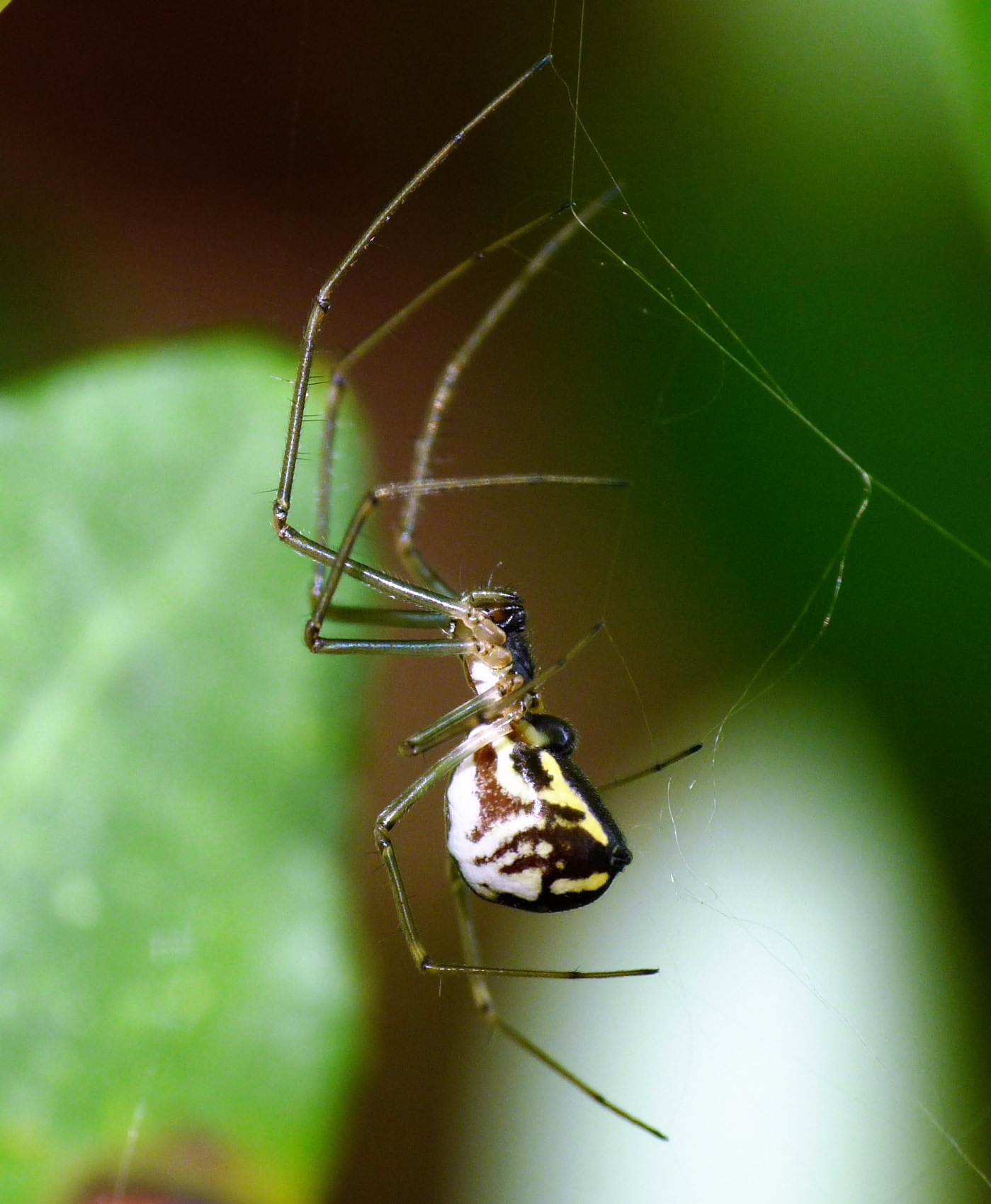
Sheet Weavers, Money Spiders
Worldwide, Temperate Regions, Tropics, Norway
- Clypeus Normally Over Twice As High As the Diameter of the Anterior Median Eyes.
- Chelicerae Have Lateral Stridulating Ridges and Lack Lateral Condyles.
- Legs Are Long and Thin and Bear Macrosetae.
- Abdomen Is Usually Oval Or Elongated.
- Males In the Subfamily Erigoninae Typically Have Modified Cephalothoraxes With Unique Structures.
- Known For "Ballooning" Via A Technique Termed 'Ballooning'.
- Females of Winter-Active Sheet Weavers Build Webs In Depressions On Snow.
- Can Be Very Numerous In A Given Area One Day, Only To Disappear the Next.
Goldcrests
About Linyphiidae
Linyphiidae: The Sheet Weavers and Money Spiders
Linyphiidae, commonly known as sheet weavers or money spiders, constitute a vast and diverse family of very small spiders, comprising around 5,000 described species distributed across approximately 650 genera worldwide. This makes Linyphiidae the second largest family of spiders, surpassed only by the Salticidae (jumping spiders).
Description and Characteristics
These spiders are characterized by their small body size, long and thin legs bearing macrosetae, and usually oval or elongated abdomens. A notable anatomical feature is that the clypeus is typically over twice as high as the diameter of the anterior median eyes. The chelicerae possess lateral stridulating ridges and lack lateral condyles. Within the family, the subfamily Erigoninae, often referred to as dwarf spiders, contains many of the smallest species, typically measuring 3 mm or less.
Distribution and Habitat
Linyphiidae spiders are found nearly worldwide, inhabiting a broad spectrum of environments from temperate regions to the tropics. Their ability to disperse via "ballooning" contributes significantly to their extensive distribution and the speciation observed within the family. Some species, particularly winter-active sheet weavers like Tenuiphantes cristatus and Bolephthyphantes index, have adapted to cold climates, building their characteristic sheet webs in depressions on the surface of snow, even at temperatures as low as -7 °C.
Diet and Predation
Sheet weavers are predators that primarily feed on small arthropods. Their diet commonly includes aphids, springtails, and flies, and they are also known to prey on other spiders. In turn, Linyphiidae spiders are preyed upon by various animals, with goldcrests (a type of bird) being known predators.
Economic and Ecological Importance
In agricultural contexts, money spiders are regarded as valuable biological control agents. By preying on common pest species such as aphids and springtails, they play a role in regulating pest populations, thereby contributing to natural pest management strategies.
Taxonomy and Identification
Due to their small size and the complexity of their morphology, Linyphiidae are often difficult to identify, leading to ongoing taxonomic research and revisions. New genera and species are continually being discovered. The family is divided into six subfamilies, with Linyphiinae (sheetweb spiders), Erigoninae (dwarf spiders), and Micronetinae containing the majority of described species. A particularly interesting aspect of the taxonomy lies in the subfamily Erigoninae, where males often exhibit highly modified cephalothoraxes. These modifications are species-specific and can include a remarkable array of shapes and structures, such as spires, lobes, projections, and spines, which are crucial for identification.
Behavior
The most distinctive behavior associated with Linyphiidae is "ballooning," a method of aerial dispersal where individuals release silk threads to be carried by the wind. This behavior is vital for their dispersal and colonization of new habitats, though it is a high-risk strategy with a significant mortality rate, predominantly utilized by spiderlings and juveniles.
Source: Wikipedia ↗
Frequently Asked Questions
What are sheet weavers commonly called?
Sheet weavers are commonly referred to as money spiders in several English-speaking countries, including the United Kingdom, Ireland, Australia, New Zealand, and Portugal. This name likely stems from their small size and widespread presence.
How do money spiders spread to new areas?
Money spiders are known for a dispersal technique called "ballooning," where they release silk threads to catch the wind and travel through the air. This method is particularly used by spiderlings and juveniles and contributes to their extensive geographic distribution.
Are Linyphiidae spiders beneficial to humans?
Yes, within the agriculture industry, money spiders are valued as biological control agents. They help manage pest populations by preying on insects such as aphids and springtails, thus reducing the need for chemical pesticides.
What do Linyphiidae spiders eat?
The diet of Linyphiidae spiders primarily consists of small insects and other invertebrates. They are known to prey on aphids, springtails, and flies. They have also been observed to prey on other spiders.
Where are Linyphiidae spiders found?
Spiders of the Linyphiidae family are found nearly worldwide, inhabiting a vast range of environments. They are abundant in temperate regions but also occur in tropical areas.
What are some distinctive features of male Linyphiidae spiders?
In the subfamily Erigoninae, males often possess remarkably modified cephalothoraxes. These modifications can include grooves, tubercles, projections, lobes, and spines, which are diagnostic for specific taxa and can even bear eyes or be decorated with hair tufts.
Related Spider species

Agelenidae
The Agelenidae, commonly known as funnel weavers, are a large family of spiders found globally. They are distinguished by their fast running speeds and the construction of flat sheet webs with a funnel-shaped retreat. While most species are solitary, some African species exhibit parasocial behavior, living in communal webs.
Amaurobiidae
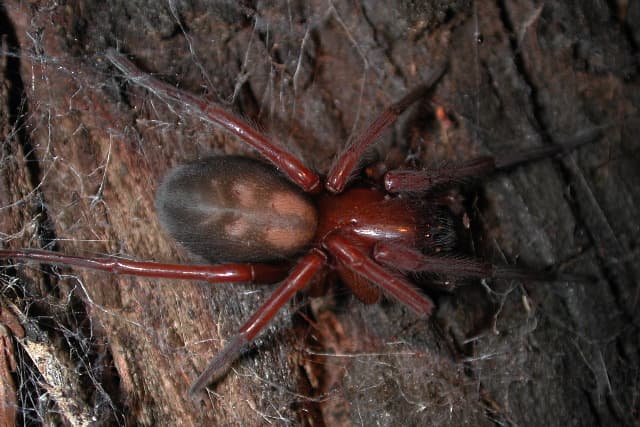
Amaurobiidae is a family of spiders characterized by their three-clawed feet and the presence of either a cribellum or its absence. These spiders are typically found in crevices, hollows, or under stones, where they construct retreats and are often captured in pitfall traps. While widespread, they can be challenging to distinguish from closely related spider families.
Anapidae
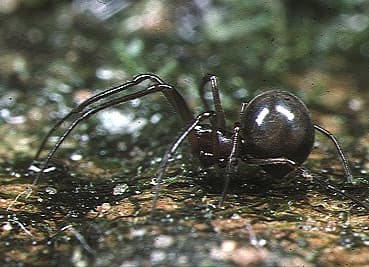
Anapidae is a diverse family of small spiders, with most species measuring less than two millimeters in length. These spiders are found worldwide, inhabiting leaf litter and moss in rainforest environments. A distinctive characteristic of many Anapidae species is their ability to build small orb webs, often less than three centimeters in diameter.