
Ursavinae
Ursavinae is an extinct tribe of mammals belonging to the bear family, Ursidae. This group existed from the Miocene through the Pliocene epochs, approximately 23 to 2.5 million years ago, across North America, Europe, Africa, and Asia. Ursavinae is notable for its long period of existence and includes genera such as Agriotherium and Ursavus.
Key Facts
- ›Existed from approximately 23 to 2.5 million years ago.
- ›Lived across North America, Europe, Africa, and Asia.
- ›Belongs to the bear family, Ursidae.
- ›Includes the genera Agriotherium and Ursavus.
- ›Total existence spanned roughly 20.5 million years.

North America, Europe, Africa, Asia
About Ursavinae
The Ursavinae represent an extinct tribe of mammals that were part of the Ursidae family, commonly known as bears. This ancient group existed for an extensive period, from the Miocene through the Pliocene epochs, with their presence recorded from approximately 23 to 2.5 million years ago. Their geographic distribution was remarkably widespread, with fossil evidence indicating their existence across North America, Europe, Africa, and Asia.
Taxonomic Placement and Genera
The Ursavinae tribe has been classified within the Ursinae subfamily. Key genera associated with this group include Agriotherium and Ursavus. Research has also suggested that certain species previously classified under Ursavus might warrant their own genus, such as Ballusia, indicating a complex evolutionary history within this lineage. The total span of existence for the Ursavinae is estimated to be around 20.5 million years, highlighting their significant tenure in the mammalian fossil record.
Evolutionary Significance
The study of Ursavinae provides valuable insights into the early evolution of bears. The genus Agriotherium, for instance, has been identified as being closer to extant bear species, suggesting a more direct evolutionary link to modern bears. The long existence and broad distribution of the Ursavinae underscore their successful adaptation to diverse environments during the Cenozoic Era.
Source: Wikipedia ↗
Frequently Asked Questions
When did the Ursavinae tribe live?
The Ursavinae tribe lived during the Miocene through the Pliocene epochs. This period is estimated to span from approximately 23 million years ago to 2.5 million years ago.
Where were Ursavinae found geographically?
Fossil evidence indicates that Ursavinae was found across multiple continents. These included North America, Europe, Africa, and Asia.
What are the main genera associated with Ursavinae?
The primary genera included within Ursavinae are Agriotherium and Ursavus. Some species of Ursavus have also been considered for placement in a separate but related genus, Ballusia.
How long did the Ursavinae tribe exist?
The Ursavinae tribe existed for a considerable duration, spanning roughly 20.5 million years. Their lineage persisted from the early Miocene to the late Pliocene.
Related Bears

Steppe Brown Bear
The Steppe Brown Bear (Ursus arctos priscus) was a disputed extinct subspecies of brown bear that inhabited Eurasia during the Pleistocene or early Holocene epochs. Its precise geological age remains uncertain, and some researchers argue for its invalidity due to its skull being identical to modern brown bears. This bear was notably larger and more carnivorous than its modern counterparts.
Plithocyon
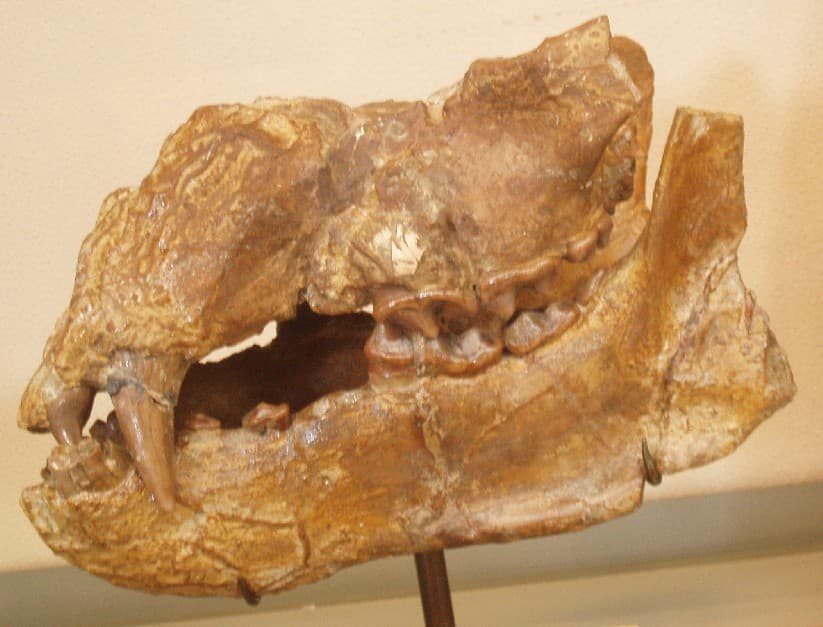
Plithocyon is an extinct genus of hemicyonine bear that lived during the Miocene epoch, with fossil evidence found in both North America and Europe. This genus existed for approximately 4 million years, from about 15.97 to 11.61 million years ago. Its distinctiveness lies in its classification as a hemicyonine bear, a group of extinct caniform carnivorans.
Hemicyoninae
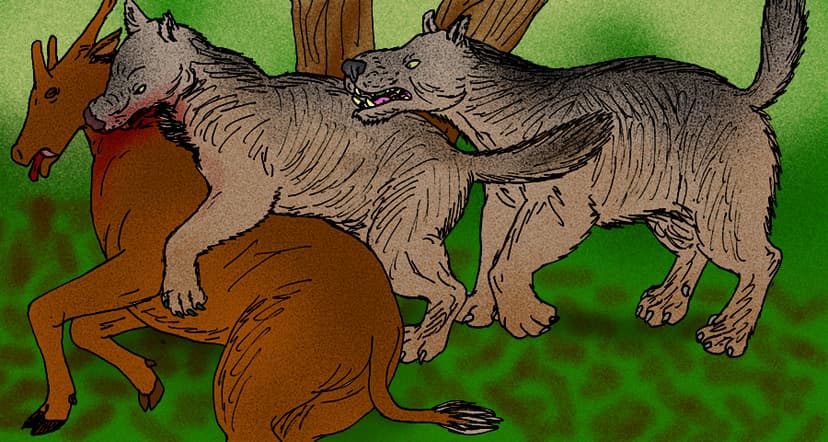
Hemicyoninae, often referred to as dog bears, were an extinct subfamily of Ursidae that existed from the Oligocene through the Miocene epochs. These bear-like carnivorans inhabited parts of Europe, North America, Africa, and Asia, and are notable for their long evolutionary history, spanning approximately 28.6 million years.