
Ichthyophis sikkimensis
The Sikkimese caecilian (Ichthyophis sikkimensis) is a species of amphibian native to the Himalayan foothills of India, Nepal, and potentially Bhutan. It is distinguished by its elongated, limbless body and smooth, moist skin, typical of caecilians, which are often mistaken for snakes or earthworms.
Key Facts
- ›Found in India (Sikkim and West Bengal) and Nepal.
- ›Possibly present in Bhutan.
- ›Described by Edward Harrison Taylor in 1960.
- ›Belongs to the Ichthyophiidae family.
- ›Known by common names such as Sikkimese caecilian and Darjeeling caecilian.
- ›An amphibian with an elongated, limbless body.
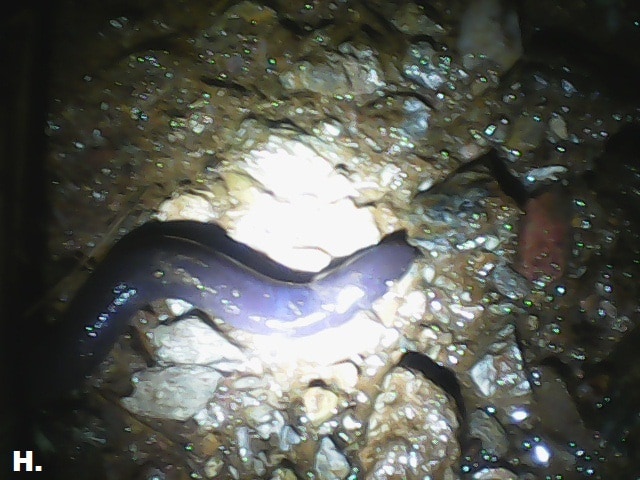
Terrestrial, Subterranean
Sikkimese Caecilian, Darjeeling Caecilian
About Ichthyophis sikkimensis
Ichthyophis sikkimensis: The Sikkimese Caecilian
The Sikkimese caecilian, scientifically designated as Ichthyophis sikkimensis, is a species of amphibian belonging to the order Gymnophiona, commonly known as caecilians. These unique creatures are found in the Himalayan foothills, with documented occurrences in India, specifically in the states of Sikkim and West Bengal, and in Nepal. There is also a possibility of their presence in Bhutan.
Taxonomy and Discovery
This species was first formally described by the renowned herpetologist Edward Harrison Taylor in 1960. It belongs to the family Ichthyophiidae, a group characterized by their elongated, limbless bodies, which often lead to them being mistaken for earthworms or snakes. The common names "Sikkimese caecilian" and "Darjeeling caecilian" reflect its geographical distribution and the region where it is commonly found or was first identified.
Physical Characteristics and Habitat
As a caecilian, Ichthyophis sikkimensis has a smooth, moist skin and a segmented body, lacking any external limbs. Its appearance is adapted for a subterranean lifestyle, facilitating burrowing through soil and leaf litter. While detailed information on its specific habitat preferences and reproductive strategies is not extensively documented in readily available summaries, caecilians generally inhabit moist environments, often near water sources, and are primarily fossorial, meaning they live underground.
Source: Wikipedia ↗
Frequently Asked Questions
What is the Sikkimese caecilian?
The Sikkimese caecilian, scientifically known as Ichthyophis sikkimensis, is a species of amphibian belonging to the caecilian group. These are limbless, burrowing amphibians that resemble earthworms or snakes.
Where can the Sikkimese caecilian be found?
This species is naturally found in the Himalayan region, specifically in India, including the states of Sikkim and West Bengal. It is also known to inhabit Nepal and may possibly be found in Bhutan.
When was Ichthyophis sikkimensis first described?
The Sikkimese caecilian was first formally described by Edward Harrison Taylor in the year 1960.
What are other common names for Ichthyophis sikkimensis?
Besides its scientific name, Ichthyophis sikkimensis is commonly referred to as the Sikkimese caecilian or the Darjeeling caecilian.
Related Caecilian species

Black caecilian
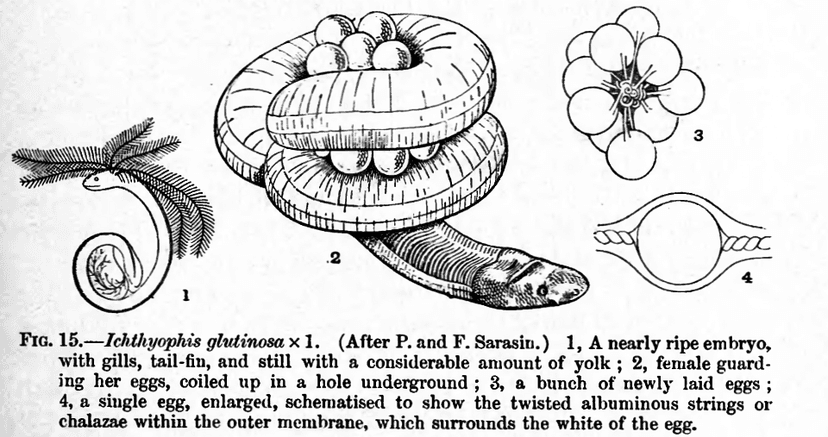
The Black caecilian (Ichthyophis monochrous) is a species of amphibian found in the tropical moist forests of northern Borneo, specifically in western Kalimantan (Indonesia) and Sarawak (Malaysia), and likely Brunei. It is a relatively unknown species, with only a few specimens documented, and is characterized by its moderately slender body, distinct tail, and glandular skin with numerous annuli.
Common yellow-banded caecilian
The Common yellow-banded caecilian, also known as the Ceylon caecilian, is a species of caecilian endemic to Sri Lanka. It is characterized by its earthworm-like appearance, with steely blue and pale yellow coloration and a distinctive yellow band along its sides. This adaptable species inhabits moist tropical and subtropical forests and pastures, where it burrows in damp earth or leaf litter.
Darjeeling caecilians
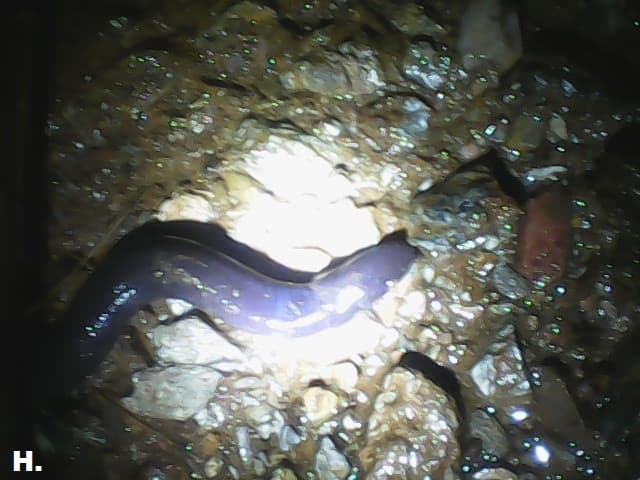
The Darjeeling caecilian, scientifically known as Ichthyophis sikkimensis, is a species of amphibian native to the Himalayan foothills of India, Nepal, and potentially Bhutan. This burrowing amphibian is characterized by its elongated, worm-like body and smooth, moist skin, typically found in damp soil and leaf litter.